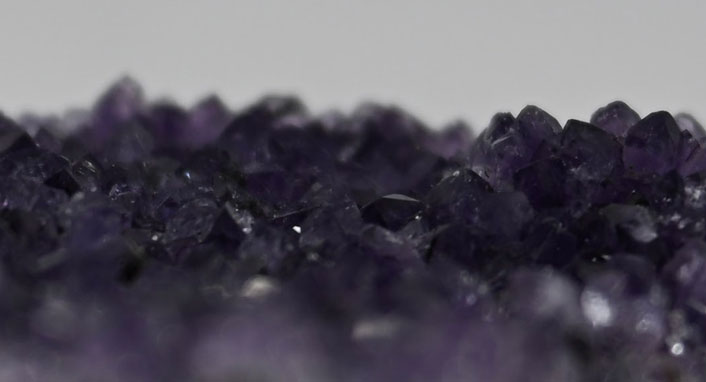
Call amethyst quartz and you’re right. Citrine too. The family name hands you a bit of context and nothing more than that, so before you choose between the two stones, it’s worth working out which questions you actually need somebody to answer.
Scroll through crystal listings and the phrase “quartz variety” keeps turning up beside purple stones and yellow ones. It can read like marketing shorthand. It is actually a mineral classification, and it tells you less about a single stone than you might expect.
How Amethyst and Citrine Belong to the Quartz Family
Both stones are the same mineral. The GIA gem encyclopedia entry for amethyst lists it as the purple variety of quartz, and the GIA entry for citrine describes citrine as the pale yellow to brownish orange variety. Both have the same chemistry, silicon dioxide, and both rate 7 on the Mohs hardness scale.
So the difference between them is color, not mineral type. That is why a listing for tumbled amethyst crystals may name quartz first and then describe the color, size and shape. The two colors can even appear in a single crystal, which is sold as ametrine.
What Gives Amethyst and Citrine Their Color
GIA notes that a trace of iron in citrine’s structure produces its yellow to orange color. Amethyst ranges from light lilac to deep, intense purple. Color is what earns each stone its variety name, and it is usually the first thing you notice at the counter or on a screen.
Heat Treatment and Citrine
Here is where buyers need to slow down. Natural citrine is rare, and GIA states that most citrine on the market comes from heating amethyst. Treatments can change a gem’s color, apparent clarity or durability, as GIA’s overview of gem treatments explains.
Heated citrine is not fake. It is still quartz, and its color still places it in the citrine variety. A warm yellow photo cannot show whether that color formed naturally or after heating, though. Only seller disclosure or lab testing can settle it.
Questions to Ask Before You Buy
The word “quartz” answers the classification question and nothing more. Before you buy, ask the seller:
- Which quartz variety is this being sold as?
- Has the stone been heated or otherwise treated?
- What can you confirm about where the stone came from?
- Is the color natural, or the result of treatment?
A metaphysical crystal shop that answers these questions plainly gives you more to go on than a color label. If the traditional meanings of amethyst and citrine matter to you, hold them as part of your personal practice, and make the buying decision with the same care you would bring to any other purchase.
Comparing Purple and Yellow Quartz
Amethyst and citrine are one mineral in two colors. The family name explains the classification, and the color explains the variety name. Treatment and origin still need their own answers. Before you choose between purple and yellow quartz, which details will you ask the seller to confirm?
