Fence repairs are easier to plan in October than in March. Once the ground freezes, digging new post holes slows down. Loose wire left over the winter will likely sag further under the weight of snow and ice. A walk along the fence line now gives you time to fix weak spots while the soil can still be worked.
Farm Equipment in Ontario That Speeds Up Fall Fence Work
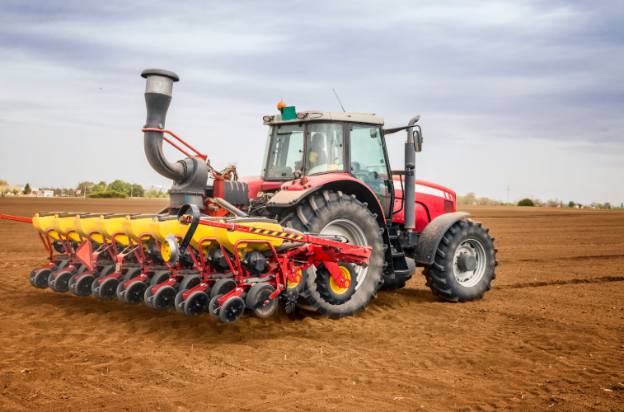
The right tools decide how many posts you can set in a day. A post hole auger attachment on a tractor or skid steer can dig a clean hole in a few minutes, while digging the same hole by hand in rocky ground can take much longer. Dealers that carry farm equipment in Ontario often stock augers and fencing tools alongside posts and wire. Before you order an attachment, check that it fits your machine’s hitch and hydraulic setup.
Choosing Farm Fencing in Ontario for Your Livestock
Different animals test a fence in different ways. Sheep and goats push through gaps near the ground, so a woven field fence with smaller openings at the bottom usually works better. Cattle and horses lean on the top of the fence, which puts more weight on post spacing and line tension. When you compare farm fencing in Ontario, look at the wire gauge, galvanized coating, and roll height. Match all three to the animals you keep. Cedar and steel posts both have a place, and many properties use a mix of the two.
Setting Fence Posts That Stay Put Through Winter
Posts set too shallow tend to shift every spring. Frost heave causes this: water in the soil freezes, expands, and pushes upward on anything set in the ground. Corner and brace posts carry the most tension, so they need the deepest holes and the firmest tamping. Wet, clay-heavy areas of a property are usually where heaving shows up first, perhaps sooner than many owners expect. A layer of gravel at the bottom of the hole helps water drain away from the post.
Fence Energizers and Winter Performance
An electric fence only works if the charge reaches the end of the line. Snow, wet grass, and long fence runs all pull power away from the wire. When you choose a fence energizer, check its joule rating, which measures how much energy each pulse delivers. A higher rating carries a stronger charge over longer distances and through some plant contact on the wire. The grounding system matters just as much, because a weak ground reduces the shock an animal feels.
Next Steps Before Freeze-Up
Start with a full walk of the fence and a written list of broken posts, loose wire, and worn insulators. Order posts, wire and hardware early, while stock is still available and delivery can be scheduled. If the job needs a machine you do not own, a short equipment rental can cover the post work without a full purchase. Ask your dealer about availability, assembly, and local delivery before the first hard frost arrives.