General

How Specialized B2B Marketing Helps Technology Companies Turn Clicks into Qualified Leads

Technology companies can pile up traffic and ad clicks while the sales pipeline stays thin. Specialized campaigns reach real decision-makers with a genuine need, and programs built around buyer requirements give busy sales teams fewer, stronger prospects worth their time.

The dashboard looks healthy. Website sessions are up and the paid campaigns keep pulling clicks steadily. Then the sales team reports another thin quarter, along with calls from people who were only browsing. Plenty of technology companies sit in this spot, and specialized B2B marketing helps turn that attention into conversations with genuine buyers.

The Quiet Gap between Traffic and Pipeline

Clicks Measure Curiosity: A click shows that a headline caught someone’s eye for a moment. It cannot show whether that person controls a budget or has a problem your software solves. Job seekers and rival vendors click on technology ads constantly. Thoughtful B2B marketing screens out that empty traffic by speaking to the people who sign off on purchases.

Impression Counts Mislead: Impression counts look impressive in a monthly report, and that is the trap. Thousands of views from the wrong industries produce no leads a sales rep can pursue. A digital marketing agency with deep technology experience reads past those vanity numbers and tracks what happens after the click, down to booked demos and closed deals.

What Separates Browsers from Buyers

Interest Comes Easily: A blog post about cloud security trends can draw thousands of readers. Most of them skim for an answer and leave. An IT director comparing vendors before a renewal behaves differently, reading spec sheets and returning twice in a week. Well-planned B2B marketing picks up on those signals and gives that director the detail needed to move forward.

Decision-Makers Need Proof: Senior technology buyers seldom act on one ad. A CTO wants proof that the product will pass a security review, and the finance director wants a clear return on the spend. Content that meets each person at the right stage of the sales funnel keeps both of them engaged until the buying committee feels ready to talk.

Where Inbound and Outbound Work Together

Two Directions, One Team: Strong results come from a team that runs inbound and outbound lead generation side by side. A prospect who downloads a guide on Monday might hear from a sales rep with a tailored message by Thursday. Search and outreach run as one program, so customer engagement keeps building past the first visit. The program covers:

  • Inbound content that answers the questions technology buyers ask in search
  • Account-based outreach to named companies
  • SEO and paid search aimed at high-intent terms
  • Follow-up emails that keep slower prospects warm
  • Plain reporting on which channels bring sales-ready conversations

Sales Gets Its Time Back: Campaigns shaped around real buyer requirements change the mood in sales meetings. Reps stop chasing people with no budget and spend their week with IT leaders who know the product fits. A digital marketing agency that agrees on lead criteria with the sales team before launch gives every rep a shorter, sharper list and fewer wasted calls.

Making Next Quarter’s Traffic Count

Traffic will keep coming, and that part is good news. The real gain comes when those visits start reaching people with authority and a project on the calendar. Take a hard look at last quarter’s leads and count how many your reps would call again. Then request a complimentary marketing audit from KEO Marketing and give your pipeline the buyers it has been missing.

Water Heater Electric Installation Can Help Solve Repeated Breaker Trips and Hot Water Loss

A breaker that keeps tripping on an electric water heater signals a failed element, a stuck thermostat, or damaged wiring. Professional testing finds the real fault, and a proper new installation finally ends the cycle of resets and cold showers.

Resetting the same breaker every few days is not a fix. It is a warning. Across Phoenix, hard water scale that coats heating elements makes this pattern especially common. When a water heater electric circuit keeps cutting out, something inside the unit or behind the wall is pulling more current than it should, and ignoring that pattern invites far bigger trouble than one lukewarm shower.

Why the Breaker Keeps Saying No

Shorted Elements and Current That Escapes: A cracked heating element is the most common culprit. The casing splits, water reaches the electrical coil, and current leaks straight to ground. Done correctly, a water heater electric installation uses properly rated elements and tight connections from day one, which is exactly why a sound new unit almost never bothers a healthy breaker.

Thermostats, Wiring, and the Limits They Guard: A thermostat stuck in the on position keeps heating the tank until a safety limit or the breaker steps in. Scorched or loose wiring behaves the same way. Companies offering both electrical work and plumbing services can follow a fault across the entire system instead of stopping where the pipe meets the wire.

Testing Beats Guessing Every Single Time

What a Proper Inspection Actually Measures: Trained technicians start at the panel and work toward the tank. They measure amperage draw, check each element for a short to ground, and confirm the breaker itself still holds its rated load. A careful water heater electric inspection names the exact fault before anyone spends a dime on parts, and that order matters.

Supply Problems That Imitate a Dying Tank: The supply side deserves equal attention. Loose lugs, undersized wire, or voltage fluctuations on the circuit can mimic a failing heater and trick a homeowner into replacing a unit that was never broken. A meter settles the argument in minutes. Guesswork, on the other hand, gets expensive fast.

Repair, Replace, or Stop Resetting

Choosing Between a Fix and a Fresh Start: A failed element or thermostat on a younger tank justifies a straightforward repair. Tanks past the ten year mark with rusty fittings or heat damaged wiring tell a different story. There, replacement protects both the budget and basic electrical safety, because aging insulation breaks down a little more every time the unit overheats.

Why Forcing a Breaker Back On Is a Gamble: Every reset shoves current back through a fault that never went away. Breakers trip to stop overheated wiring before it starts a fire, so overriding them again and again puts the whole house on the table. Plumbing services backed by electrical training handle these calls daily and know when a breaker is telling the truth.

Call a professional instead of resetting when any of these show up:

  • The breaker trips within minutes of being switched back on
  • Hot water looks rusty or carries a metallic smell
  • A burning odor appears near the tank or the panel
  • Trips began right after a repair or remodel

Hot Water Back and the Panel Left Alone

No homeowner should memorize the walk to the breaker box. One scheduled visit traces the fault, lays out repair and replacement options in plain English, and restores hot water without the daily reset ritual. Call George Brazil’s highly trained technicians at 602-257-9000 today and put an end to the trips for good.

Pack Light, Stay Long: Beachfront Condo Rentals Fort Myers Beach FL

Most people overpack for a beach trip because they have no idea what amenities the place they booked will offer. You squeeze in extra towels, snacks, a hair dryer, and a spare pair of sandals, then pay the airline for a second bag. Guests who pick beachfront condo rentals in Fort Myers Beach, FL often break that habit on the very first visit. Once you have a real living space and room to unpack, the suitcase gets lighter, and the trip can get longer.

So how long do you actually want to stay? A hotel room works for two nights, maybe three. After that, the tight space and restaurant bills start to wear on you, and many travelers end up cutting the trip short without quite saying why. Cozy vacation rentals on Fort Myers Beach give you room to settle in, make your own breakfast, and set your own pace.

Why Longer Stays Work Better in a Beachfront Condo

Here is why a condo makes a longer trip feel easy rather than tiring. Many travelers who book beachfront condo rentals in Fort Myers Beach, FL find that the extra room and comforts of home make it easy to stay a little longer.

  • Flexible stay lengths. You can book a weekly, two-week, or monthly stay, so you are not forced into a short trip.
  • Space for your group. Units range from one bedroom up to four or more, which helps when grandparents or friends join halfway through.
  • Room for the dog. Pet-friendly rentals mean you do not have to leave your dog with a sitter and worry the whole week.
  • A pool when the Gulf feels too cool. Some rentals include pool access, and that can be handy on a breezy morning.

Picture a couple who planned a five-day trip and stretched it to three weeks after seeing how relaxed condo life felt. That happens more often than you might guess.

What to Leave Behind When You Book Cozy Vacation Rentals

The fear behind overpacking is usually the fear of being stuck without something. With cozy vacation rentals on Fort Myers Beach, many of those worries fade, though it still pays to read each listing closely, since every unit is a little different.

You can probably skip:

  • Bulky groceries you can buy on the island once you arrive
  • A pile of outfits, since a longer stay usually means you can do laundry
  • That “just in case” bag nobody ends up opening

Pack swimsuits, sunscreen, any medications, and a good book. That covers most of it.

Planning Around Weather and Surprises

A long trip carries one quiet worry. What if something changes before you leave? Plans shift, flights get moved, and Florida weather can turn quickly. Travel insurance is available when you reserve, giving you a backup plan with little effort. Even a cautious planner can relax a bit once that box is checked.

Next Steps for Your Fort Myers Beach Stay

Pick your dates, choose a stay length, and filter by bedroom count. Then check the current deals before you book. Packing light starts with knowing your rental will feel like home for as long as you stay.

Finding Reliable Gluten-Free Pizza Across Philadelphia’s Neighborhoods

Few foods carry as much local identity as pizza in Philadelphia. From corner shops in South Philly to sit-down spots along Main Street in Manayunk, the city’s pies are a daily habit for many residents. For someone who eats gluten-free, that habit can be complicated. A menu may list a gluten-free crust, yet the answer to whether it is safe depends on how the dough is handled, where it is baked, and what goes on top.

Searches for gluten free pizza philadelphia tend to return long lists of places, but a listing rarely explains how a kitchen actually prepares its food. This guide explains how to evaluate crust options, which questions to ask before ordering, how to read menus and reviews for meaningful signals, and how to keep a gluten-free pie tasting good after it leaves the restaurant. The goal is not to name a single winner. It is to give readers a method they can apply in any neighborhood.

Choosing well starts with knowing what to ask. Restaurants such as The Tomato Shack salad & pizza co, Manayunk can be evaluated the same way as any other pizzeria: by checking how the gluten-free crust is made, what equipment touches it, and whether staff can describe the process in plain terms. Readers should confirm current practices directly before ordering, since preparation methods and menus change over time.

Why Philly’s Pizza Scene Makes Gluten-Free Ordering Tricky

Most Philadelphia pizzerias handle wheat flour all day. Flour is dusted onto bench tops, peels, and dough balls, and it drifts through the air during open dough-tossing. Even a restaurant that offers a gluten-free crust may be working in a space where airborne flour settles on prep surfaces, utensils, and cutting boards. This is the basis of cross-contact, the unintended transfer of gluten from one food to another.

Shared ovens create a second problem. Many shops bake gluten-free pies on the same deck or in the same conveyor oven as regular pies. Crumbs and flour residue can fall onto the deck, and cheese that bubbles over a regular pizza can drip onto a gluten-free crust placed nearby. Busy dinner rushes make these risks more likely because staff are under time pressure and may not change gloves or wipe screens between orders.

The stakes differ depending on why someone avoids gluten. For people with celiac disease, an autoimmune condition in which gluten triggers damage to the small intestine, even small exposures can cause symptoms and long-term harm. For people who simply prefer to limit gluten, cross-contact is a matter of comfort and personal choice rather than medical risk. This guide addresses both groups, but readers with celiac disease should treat the questions in the checklist below as essential, not optional.

Crust Styles You’ll Actually Encounter

A "gluten-free" pizza is not one product. The crust style determines texture, how the pizza cooks, and how well it supports toppings, so it matters as much as the label.

Thin-crust gluten-free bases, often made from a blend of rice flour, tapioca starch, potato starch, and xanthan gum, are the most common in Philadelphia. They are crisp at the edge and brittle in the center, with little chew. They cook quickly and tend to hold light toppings well, but heavy sauce or wet vegetables can make the center soggy.

Neapolitan-style gluten-free crusts are harder to produce because wheat gluten normally gives them their stretch and blistered char. Gluten-free versions rely on hydrocolloids and starches to mimic that structure. When they work, they offer a soft, airy rim and a pliable center. When they do not, they crack when stretched and tear under the weight of toppings.

Cauliflower and almond-flour bases represent a different category. Cauliflower crusts are typically dense and moist, with a flavor that can be distinctly vegetal. They often need pre-baking to firm up before toppings are added. Almond-flour crusts are richer and slightly sweet, with a crumbly bite that can taste more like a cracker than traditional dough.

Dedicated Gluten-Free Crusts vs. Made-to-Order Substitutes

The most important distinction is between crusts prepared in a separate area with fresh supplies and pre-made crusts baked in shared equipment. Some kitchens buy frozen gluten-free crusts, which typically cost the restaurant several dollars per unit, and then top and bake them alongside regular pies. Others make dough in a designated station, using dedicated scales, bowls, and bench surfaces, then bake on a separate pan or screen. The second approach reduces risk substantially, but it is also more labor-intensive, and not every shop has the space or staffing to do it.

Pricing offers a rough guide to what is involved. In the Philadelphia area, a gluten-free crust upcharge commonly ranges from about $2 to $5 for a standard pie, while specialty cauliflower or almond-flour options may run higher. A higher price does not guarantee separate preparation, so the question should always be asked directly.

Vegetable and Nut-Flour Bases

Vegetable and nut-flour crusts are useful for readers who want to avoid grain-based starches entirely, but they cook differently from wheat-style dough. Cauliflower crusts release moisture as they bake, so they benefit from a par-bake of roughly 8 to 10 minutes at 425°F before toppings go on. Almond-flour crusts brown faster because of their fat and sugar content, and they can scorch at temperatures that work well for thin crusts.

Toppings should be chosen with the base in mind. Thin and Neapolitan crusts pair well with fresh mozzarella, basil, and moderate tomato sauce. Cauliflower crusts hold up better to roasted vegetables, sausage, and sharp cheeses that add flavor without excess moisture. Almond-flour crusts complement goat cheese, figs, and prosciutto, which balance their nutty sweetness.

Questions to Ask Before You Order

Restaurant staff can answer most safety questions if they are asked specifically. Use this checklist when calling or ordering online:

  • Is the gluten-free crust prepared in a separate area from regular dough?
  • Are gloves changed before handling gluten-free crusts or toppings?
  • Does the kitchen use a dedicated pan, screen, or pizza peel for gluten-free pies?
  • Are gluten-free crusts baked in a separate oven or on a separate deck in a shared oven?
  • Are the crusts pre-made by a supplier, or made in-house?
  • Are sauces, seasoned meats, and sprinkled toppings gluten-free?

Ingredients outside the crust can introduce gluten even when the base is safe. Pizza sauces may contain wheat-based thickeners or malt flavoring. Sausage and meatballs are often seasoned with breadcrumbs or fillers. Grated Parmesan and shredded cheese blends sometimes include anti-caking agents derived from wheat. Pre-shredded cheeses and seasoned croutons used as garnish are common hidden sources. Ask whether each topping is prepared gluten-free, not just the crust.

Phrasing matters. Rather than asking whether a pizza is "gluten-free," which can receive a simple yes regardless of preparation, ask: "I have celiac disease. Can you tell me how the gluten-free crust is prepared and baked, and whether it is kept separate from regular pizza?" For online orders, use the special-instructions field to state the requirement and, if possible, call to confirm before pickup. Many restaurants will not guarantee zero cross-contact, and that answer is itself useful information.

Finally, the Food and Drug Administration defines a "gluten-free" food as one containing fewer than 20 parts per million of gluten under 21 CFR 101.91. Third-party certification programs such as the Gluten-Free Certification Organization use a stricter 10 ppm threshold and audit facilities. Certification is uncommon in independent pizzerias but is worth noting when present.

Reading Menus and Reviews for Reliable Signals

Menus and reviews are useful, but only when read carefully. A menu that says "gluten-free crust available" tells the reader very little. Stronger menu signals include a specific description of how the crust is made, a note that items are prepared in a shared kitchen, or allergen information that identifies which ingredients contain wheat.

Reviews require a similar filter. Vague praise such as "great pizza" or "delicious gluten-free option" says nothing about preparation. More useful reviews mention specific details: a reviewer who reports that staff changed gloves, explained the separate prep station, or described the dedicated pan is providing evidence. Consistent comments from different reviewers over time carry more weight than a single detailed review.

Reviews from people who mention celiac disease, or who describe symptoms after eating, should be read with care. Individual reactions vary, and a single negative report does not establish a pattern, but a cluster of such reports suggests the kitchen’s practices deserve closer questioning before ordering.

Check the dates on reviews. Kitchen staff change, suppliers switch, and menus are revised frequently. A glowing review from several years ago may describe a process that no longer exists. Prioritize reviews from the past several months and confirm current practices by phone.

Takeout, Reheating, and Keeping Quality High

Gluten-free pizza is more fragile in transit than regular pizza. Its thinner, starch-based crust absorbs steam from the box, which softens the edge and can make the center gummy. To limit this, open the box slightly after pickup or transfer the pizza to a wire rack placed over a sheet pan. Venting allows moisture to escape and helps the crust keep some of its crispness on the drive home.

Reheating is where most of the quality is recovered. The oven is the most reliable method. Preheat to 400–425°F, place the slice directly on the rack or a preheated pan, and heat thin crusts for 4 to 6 minutes. Thicker or cauliflower-based crusts need 8 to 10 minutes. A toaster oven at 375°F works for single slices, typically taking 5 to 7 minutes. A covered nonstick skillet over medium-low heat is effective for thin crusts: cover for 2 to 3 minutes to melt cheese and warm the center, then uncover for another minute to crisp the bottom. Microwaves should be avoided, as they produce a rubbery texture.

Storage requires attention to both quality and safety. Refrigerate leftovers within two hours of delivery, and consume them within three to four days. Store gluten-free slices in a sealed container, separate from regular pizza, and label them clearly. Place parchment between slices to prevent sticking. For readers with celiac disease, keeping gluten-free food physically separate in the refrigerator, and using clean utensils and cutting boards when reheating, reduces the risk of cross-contact at home as well as in the restaurant.



The Quartz Family: How Amethyst and Citrine Relate

Call amethyst quartz and you’re right. Citrine too. The family name hands you a bit of context and nothing more than that, so before you choose between the two stones, it’s worth working out which questions you actually need somebody to answer.

Scroll through crystal listings and the phrase “quartz variety” keeps turning up beside purple stones and yellow ones. It can read like marketing shorthand. It is actually a mineral classification, and it tells you less about a single stone than you might expect.

How Amethyst and Citrine Belong to the Quartz Family

Both stones are the same mineral. The GIA gem encyclopedia entry for amethyst lists it as the purple variety of quartz, and the GIA entry for citrine describes citrine as the pale yellow to brownish orange variety. Both have the same chemistry, silicon dioxide, and both rate 7 on the Mohs hardness scale.

So the difference between them is color, not mineral type. That is why a listing for tumbled amethyst crystals may name quartz first and then describe the color, size and shape. The two colors can even appear in a single crystal, which is sold as ametrine.

What Gives Amethyst and Citrine Their Color

GIA notes that a trace of iron in citrine’s structure produces its yellow to orange color. Amethyst ranges from light lilac to deep, intense purple. Color is what earns each stone its variety name, and it is usually the first thing you notice at the counter or on a screen.

Heat Treatment and Citrine

Here is where buyers need to slow down. Natural citrine is rare, and GIA states that most citrine on the market comes from heating amethyst. Treatments can change a gem’s color, apparent clarity or durability, as GIA’s overview of gem treatments explains.

Heated citrine is not fake. It is still quartz, and its color still places it in the citrine variety. A warm yellow photo cannot show whether that color formed naturally or after heating, though. Only seller disclosure or lab testing can settle it.

Questions to Ask Before You Buy

The word “quartz” answers the classification question and nothing more. Before you buy, ask the seller:

  • Which quartz variety is this being sold as?
  • Has the stone been heated or otherwise treated?
  • What can you confirm about where the stone came from?
  • Is the color natural, or the result of treatment?

A metaphysical crystal shop that answers these questions plainly gives you more to go on than a color label. If the traditional meanings of amethyst and citrine matter to you, hold them as part of your personal practice, and make the buying decision with the same care you would bring to any other purchase.

Comparing Purple and Yellow Quartz

Amethyst and citrine are one mineral in two colors. The family name explains the classification, and the color explains the variety name. Treatment and origin still need their own answers. Before you choose between purple and yellow quartz, which details will you ask the seller to confirm?

Choosing Machine Screws by Head Type: Pan, Socket, Hex and Flat Head Compared

Most people pick machine screws by thread size and length, then grab whatever head happens to be in the bin. That habit works fine until a cover will not close flat, a wrench cannot reach, or a recess rounds out halfway through a production run. The head determines how you tighten the screw and how much clearance it needs. It also decides how the finished part looks and how much clamping force you can apply. Ten minutes spent on head choice now can save you hours of rework later.

So which head suits your job? The answer depends on three things: the space around the hole, the torque you need, and whether the head may stand above the surface. Machine screws with a poorly matched head can still hold, but they rarely hold as well as they could. Let’s break it down by type.

Pan Head Machine Screws for Light Assemblies and Sheet Metal

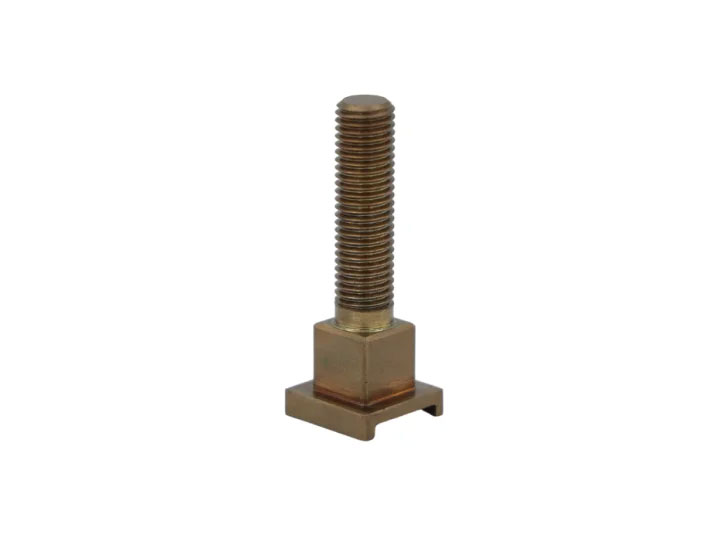
Pan heads have a low, rounded top with a flat bearing face underneath. That wide face spreads load over thin sheet and plastic housings, which is why you see them on panels, brackets and electronics enclosures.

That size range says a lot on its own. Pan heads suit light and medium clamping rather than heavy structural joints. Hand and power tools fit them easily, so they are a favourite on assembly lines where speed matters more than peak torque.

Socket Head Cap Screws for High Torque in Tight Spaces

Here is why engineers reach for socket heads when space is short. The hex socket sits inside a tall cylindrical head, so a hex wrench grips from the top and needs no side clearance.

You can set socket-head screws into counterbored holes and place them close together on a fixture plate.

Many aerospace component manufacturers specify socket heads on tooling and jigs for exactly this reason. The tall head does add height, though, perhaps more than you want on a slim cover.

Hex Head Screws When Grip and Access Come First

Hex heads take a spanner or socket on the outside. That grip lets you apply more torque with less risk to the head, and fitters can quickly check or retighten them during maintenance.

Space is the trade-off.

Next Steps Before You Order

Start with the space around the hole, then the load, then the look of the finished part. Put the head type, standard, thread, length and material on the drawing so your supplier has nothing to guess. When did you last check the countersink angle on your own drawings? A two-minute check there can keep a full batch out of the rework pile.

How a Security Guard Service Plan Starts with a Risk Assessment

Security gaps usually hide in ordinary places like a dim side door or a camera pointed at the wrong spot. A risk assessment finds them, then shapes guard placement, patrol routes, and a plan that fits how your facility runs.

Plenty of business owners know something feels off about their property’s security, but they cannot say exactly what. That uncertainty makes spending decisions hard. Should you add cameras or hire officers? A security guard plan built on a proper risk assessment answers that question with facts about your site, not guesses or a sales pitch.

Dark Corners and Busy Doors Tell the Real Story

Entry Points and Lighting That Shape Coverage: Every unlocked loading dock is a possible way in, and so is a propped-open side door. Poor lighting makes both worse. A dedicated service security guard can watch those spots closely, though the bigger win comes from knowing which entrances see the most traffic after dark and which ones nobody checks at all.

Cameras, Fences, and the Rhythm of a Workday: Fences with gaps and cameras with blind spots give a false sense of safety. Daily activity matters too. A warehouse busy at 6 a.m. faces different risks than an office empty by 5 p.m. A trained guard security service maps those patterns, so coverage matches the hours when your people and equipment are most exposed.

A Walkthrough That Exposes What Daily Routine Hides

Seeing the Property through an Intruder’s Eyes: A risk assessment starts with a slow walk around the site, day and night. Assessors look at sightlines, parking layouts, and whether employees can see who approaches the building. Planners call this natural surveillance, and weak spots in it show up fast. It might be a tall shrub beside a back entrance or a stairwell nobody can see into.

Recommendations You Can Act On: Findings get written up with practical fixes ranked by urgency. Some cost very little, like trimming landscaping or moving a camera two feet. Others call for a service security guard posted at a specific entrance during shift changes. Good reports also flag loss prevention gaps, such as unlocked supply rooms where stock disappears without anyone noticing.

Turning Findings into Guard Posts and Patrol Routes

Place Officers Where the Risk Actually Sits: Assessment results show where officers do the most good. A guard at the main lobby may matter less than one walking the rear lot at night. Patrol routes can shift randomly so nobody learns the timing. Findings should also tie into your emergency action plan, so officers know evacuation routes and who to call first. Placement decisions usually cover:

  • A fixed post at the busiest entrance
  • Overnight patrols of parking areas and fence lines
  • Who checks contractors in. This one gets missed a lot.
  • Extra coverage on delivery days, when doors stay open longer

A Plan Built Around How Your Business Runs: Recommendations only help if they fit your operations. A medical clinic and a construction yard need very different schedules. A reliable guard security service turns assessment findings into written coverage rosters that support business continuity, so a break-in or a safety incident does not shut down a full day of work. Plans need a fresh look whenever your hours change.

Walking into Work Knowing the Gaps Are Covered

Guessing about security costs more than an assessment will, especially after an incident you could have predicted. Picture opening the doors each morning with clear post orders in place and officers stationed exactly where your site needs them. Schedule a risk assessment with a licensed security provider and get a plan your team can put to work this month.

Refusing a Breath Sample in Ontario: How the Charge Compares to Impaired Driving

A driver at a RIDE stop sometimes thinks that saying no to the breath device keeps the evidence out of court. The logic seems simple enough: no reading, no case. Ontario law does not work that way, because the refusal itself becomes the charge. Anyone who speaks with an experienced DUI lawyer in Toronto after a roadside stop tends to learn this early, and often with some surprise.

An experienced DUI lawyer Toronto would likely begin the process by contrasting the charge of refusing to take a test with the impaired driving and “over 80” charges. The offences run together under the Criminal Code, and the consequences are more closely related than most people think. Below is the comparison.

Why Refusing a Breath Test Is a Separate Criminal Charge in Ontario

Criminal Code Section 320.15 makes it a crime to refuse to provide a breath sample when a legitimate request is made, absent a reasonable explanation. Police do not need to have any grounds to believe an individual has consumed alcohol before requiring the test since 2018. A lawful stop and an approved screening device are enough.

That change matters. Refusing no longer shields you, since refusal now carries the same weight as the offence the test was meant to detect.

Refusal vs Impaired Driving Penalties Under the Criminal Code

Both offences share one sentencing section, and the upper limits are identical:

  • up to 10 years in jail when the Crown proceeds by indictment
  • up to two years less a day, a fine of up to $5,000, or both on a summary charge
  • 30 days of mandatory jail for a second offence
  • 120 days of mandatory jail for each later offence

The gap appears on the first offence. A first impaired driving conviction carries a minimum fine of $1,000. A first refusal conviction carries a minimum of $2,000, the same figure that applies to a driver whose blood alcohol reached 160 milligrams or more.

So in plain numbers, refusing costs at least as much as blowing double the legal limit. It may seem strange, but that is how Parliament wrote the law.

Ontario Licence Suspensions After a Refused Breath Sample

The province adds its own penalties, separate from the criminal case. Ontario will suspend your driver’s licence for 90 days and impound the vehicle for seven days. This penalty matches the punishment someone receives after testing above the legal limit.

If the driver is convicted of driving under the influence of drugs, the penalty includes a minimum one-year suspension of the provincial licence, but in some cases it may be reduced to three months.

Next Steps

 If you declined the sample, make sure to record everything you can remember about the stop before it fades from your memory. You need to note the time, what was said by the police officer, and anything that you said about a possible health problem.

Ontario Farm Equipment and Skid Steer Attachments: What to Check Before You Buy

Have you ever paid for a part, hauled it home, and found out it did not quite fit your machine? With skid steer attachments in Ontario, that kind of mistake costs more than a wasted afternoon. A grapple or brush cutter is a serious purchase, and Ontario farm equipment tends to work hard through short seasons. A few checks before you buy can save you a return trip and a lot of waiting.

To be fair, not every attachment needs to be brand new. Some buyers do well with used gear that someone has properly inspected. What matters most is how the attachment matches your loader, your hydraulics, and the work you plan to do. The checks below apply whether you run Ontario farm equipment on a small acreage or a busy livestock farm. Use them for any skid steer attachments in Ontario you happen to be comparing.

Start With the Skid Steer Coupler and Mounting Plate

Begin where the attachment meets the machine. An international standard, ISO 24410, sets the coupler dimensions that let attachments swap between skid steer loaders. The same standard notes that some loaders use other coupler styles, and those will not take attachments built to it. Small and narrow machines can call for a different width, too.

It sounds obvious, and maybe it is. Even so, an older loader or a tractor with its own bracket is where buyers tend to get caught out. Measure the plate, snap a photo, and have the make, model, and year handy when you ask an Ontario farm equipment supplier about an attachment.

Match Hydraulic Flow to the Skid Steer Attachment

This part gets skipped more often than it should. A hydraulic attachment lists the flow it needs, usually in gallons per minute. If your loader cannot supply that flow, the attachment will run slow or lack the power it was built for.

Bobcat gives a useful benchmark. Its standard-flow loaders put out 17.6 to 23.6 gallons per minute on many models, while the small S70 lists just 8.9. Its high-flow systems run from 26.9 to 36.6 gallons per minute and still let you switch back to standard flow for lighter tools. Bobcat names stump grinders and flail cutters among the attachments that benefit from high flow.

Other brands publish their own numbers, so check your manual instead of guessing. Look at the hose couplers too, since a mismatch there means another part to order before the job starts.

Getting Skid Steer Attachments Through Farmequip’d

Farmequip’d is an authorized TMG Industrial dealer in Bonfield, ON, with roots in Rainville Farms, which the Eves family has worked since 2009. The family still uses much of what it sells on that farm, so recommendations come from real use rather than a brochure.

Ordering TMG gear is straightforward. Browse the TMG catalogue, note the model number and send Farmequip’d a quote request for pricing, availability and shipping. The team can handle harness, electrical and hydraulic hookups when staff and resources allow, and you can order replacement parts through it too. It also inspects used machinery before listing it for sale, and most products qualify for free local delivery.

Are you unsure whether your loader can handle a certain attachment? Include the make, model and coupler type with your quote request.

Who Films Your Brand? How TikTok Content Creation Services Can Help

Picture a brand that posts three TikToks a week, boosts the best one, and still watches views flatten by Friday. The team blames the algorithm, the budget, and the timing, in roughly that order. Few people stop to ask who filmed the video or why the opening shot showed a logo instead of a person. That question is where TikTok content creation services start, and it deserves an honest answer before you spend more on ads.

Think about what a viewer sees first. TikTok’s creative guidance says vertical videos average a 25% higher six-second watch-through rate. Good TikTok content creation services plan for details like that at the script stage, so the footage fits the feed from the first take.

Promotion comes next. TikTok promotion services, such as paid ads behind proven posts, can widen your reach. Yet extra reach rarely rescues a clip that loses people in the opening seconds. Below, you will see who should run production, what a TikTok content creation team should deliver, and how ads fit in. If your boosted posts keep underperforming, an experienced TikTok team can point out what is missing.

Who Should Be Behind the Camera for TikTok Content Creation Services

Some brands hand the phone to an intern, and honestly, that can work for casual posts. A weekly schedule is harder because it needs scripts, shoot plans, and edits that follow one strategy.

An agency crew usually brings a repeatable process. Ask how they turn content pillars, like education or behind-the-scenes clips, into an actual filming day.

A capable production crew usually covers:

  • Scripts that speak to your audience
  • Shoot planning for locations, dates, and talent.
  • Filming and editing that fit the TikTok feed
  • Comment and engagement management after posting

Production Choices That Keep TikTok Content Watchable

Small decisions on set add up. TikTok found that 40% of its auction ads with the highest view-through rates used text overlays. Short captions help people follow along, even though TikTok describes the app as a sound-on experience.

Trends help too, as long as they fit the brand. A trend with no link to your product usually comes across as forced.

On your next shoot, look for these choices:

  • Vertical framing from the first take
  • A short line of text in the opening frames
  • Trends that suit the product
  • Music that matches the story

Where TikTok Promotion Services Fit Once Content Is Ready

Paid promotion works better as a second step. After a post earns real watch time and comments, ads can put it in front of people who do not follow you yet.

Early results can look uneven. Expect a few rounds of changes to the hook, audience, or goal until the numbers settle, and give steady growth several months.

Good TikTok promotion services should let you:

  • Put budget behind organic posts that already earn attention.
  • Run ads for creator and UGC videos.
  • Set each campaign around sales, leads, or signups.
  • Read reports that explain what changed.

Bringing TikTok Content and Promotion Under One Plan

Splitting production and paid media across two vendors can leave gaps, since each side may blame the other when results dip. That may sound familiar.

The Short Media combines former TikTok leaders, in-house production, and creator management to keep content, creator work, and paid campaigns under one plan. Ask for a TikTok brand audit to talk through what your current content and ads need.