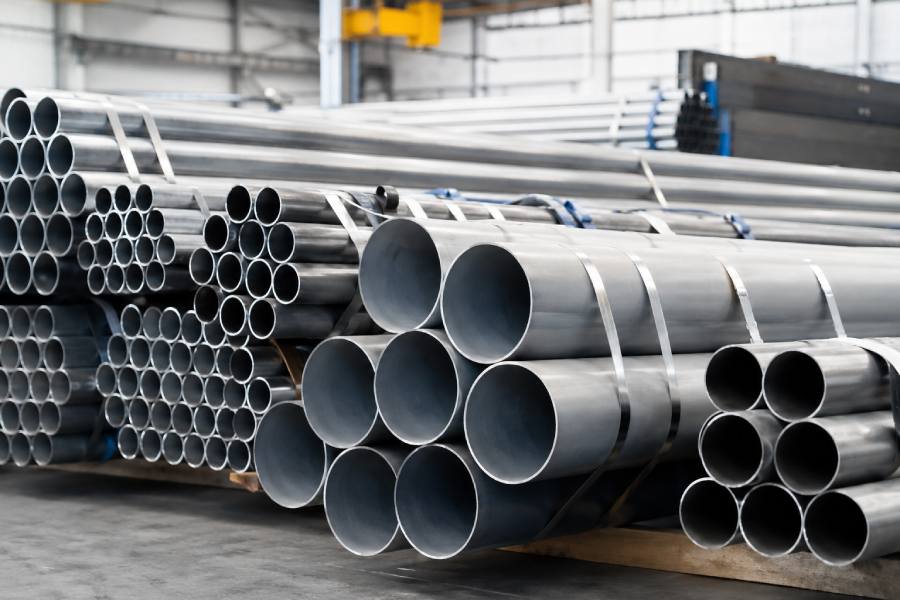
The role of industrial piping and tubes in manufacturing, construction, chemical processes and energy industries is vital. Right material selection and specifications ensures stable operation, greater safety, and stability.
There are various technical factors that buyers ought to take into account when making buying decisions. Knowledge of these considerations can lead to decreased maintenance costs and enhanced operational efficiency.
Selecting the Right Material
The choice of material has a direct impact on the performance and lifespan of industrial piping systems. Corrosion exposure, pressure needs, and operating temperatures are some factors that buyers need to consider prior to making a purchase.
Industries which deal with aggressive chemicals tend to use c276 pipe due to its high corrosion resistance and durability. Choosing the right materials increases the reliability and reduces the cost of maintenance and replacement.
Evaluating Pipe Dimensions and Specifications
Correct piping selection guarantees proper fluid flow and a reliable performance system. Before purchasing, buyers should check the diameter, wall thickness and pressure ratings.
Products should meet the established industry standards for uniformity of quality and compatibility. Right specifications minimize installation hassle and enhance long service stability. Proper assessment reduces maintenance cost and prevents unexpected system breakdowns.
Considering Weight and Installation Requirements
The need to use a light-weight or heavy-duty tubing can often be dictated by project requirements. Light wall stainless steel tubing can be used in applications that can be easily handled without affecting their strength.
Lightweight tubing will also reduce transportation cost and make fabrication and assembly easier. Sound selection enhances project efficiency and reduces installation difficulties.
Understanding Manufacturing Standards
Industrial pipes and tubes must meet established international standards and manufacturing certifications. Standards specify material contents, dimensional precision, test procedures and overall product quality.
Buyers must verify certification documents before making purchasing decisions. Compliance means uniformity of performance in strenuous industrial applications.
Assessing Corrosion Resistance
Resistance is still one of the most important factors to consider when it comes to industrial piping system performance. Products with high pitting resistance and crevice corrosion resistance have prolonged service life. Selecting the right materials lowers maintenance level, while enhancing operational safety and equipment reliability.
Comparing Cost and Long-Term Value
Purchase price must be considered with long term operating and maintenance costs. Quality pipes used in industries are normally more durable and reliable in performance when subjected to extreme conditions.
Less frequent repair and increased service life will contribute to reduced total ownership expenses. Lifecycle value will help make better investments and enhance long-term operating efficiency.
Choosing a Reliable Supplier
Established suppliers provide material, directions and quality customer service that meets the laid down standards in the procurement process. They ensure total material traceability and provide suitable inspection records.
Some reputable manufacturers conduct non-destructive testing (NDT) to ensure product quality prior to delivery. Good supplier relations enhance efficiency in procurement and provide consistent product performance.
Conclusion
Purchasing industrial pipes and tubes involves a strict consideration of materials, specifications, performance, and reliability of suppliers. Knowledge of technical needs will enable customers to buy products that will satisfy their operational needs effectively.
Qualified components enhance safety and durability, as well as long-term value. Well-informed buying choices help in reliable industrial engines and viable business processes.
