
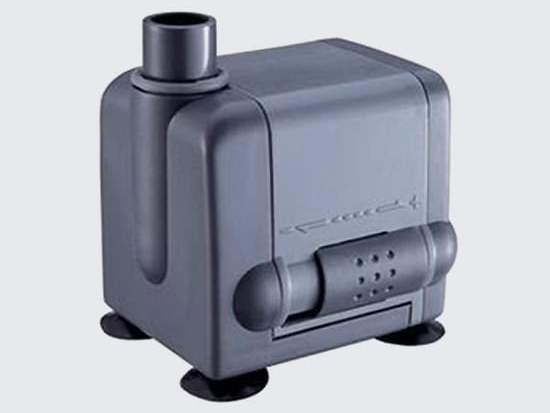
The Science Behind a Pond Aeration System and Why You Should Buy Pumps for Fountains That Match

The Science Behind a Pond Aeration System and Why You Should Buy Pumps for Fountains That Match

Water features are more than just pretty backyard additions. They’re delicate ecosystems that require careful management and understanding. Ponds represent complex environments where life thrives, struggles, and depends on precise conditions that aren’t immediately visible to the naked eye.

A pond aeration system works like an underwater life support mechanism. It introduces oxygen into water, creating a balanced environment where aquatic life can flourish. Fish, plants, and microscopic organisms rely on this constant oxygen exchange to survive and thrive, much like humans need clean air to breathe.

When homeowners decide to buy pumps for fountains, they’re doing more than purchasing equipment. They’re investing in a critical system that manages water quality, prevents stagnation, and supports a vibrant aquatic ecosystem. The right pump does the heavy lifting of circulating water, removing harmful gases, and introducing essential oxygen.

The Oxygen Lifeline: Understanding Water Dynamics

Oxygen plays a transformative role in pond health. Without proper aeration, water becomes a breeding ground for algae, harmful bacteria, and other unwanted organisms. Stagnant water creates an environment where toxic gases build up, potentially killing fish and destroying the delicate balance of the ecosystem.

Aeration System Varieties: A Comprehensive Overview

Different types of aeration systems exist, each designed for specific pond sizes and conditions. Surface aerators create movement and oxygen exchange through water splashing and circulation. Diffused aerators push air through underwater diffusers, creating tiny bubbles that maximize oxygen transfer from bottom to top.

Professional Insights: Beyond Basic Maintenance

Professional landscapers and pond enthusiasts understand that aeration isn’t just about equipment. It’s about creating a sustainable environment. The right system can dramatically improve water clarity, reduce algae growth, and support a healthy population of fish and aquatic plants.

Size Matters: Tailoring Aeration to Your Pond

Size matters when selecting an aeration system. Small backyard ponds require different approaches compared to larger water features. Factors like pond depth, water volume, and existing wildlife all play crucial roles in determining the most effective aeration strategy. For koi ponds, it is recommended that water be circulated once an hour. A six hundred gallon pond needs 600 gallons per hour of water circulation. For large ponds, e.g., ¼ to 10 acres, water does not need to be recirculated as often, but water circulation is essential.

Energy Efficiency: The Modern Pond Owner’s Concern

Energy efficiency has become a significant consideration for modern pond owners. Advanced aeration systems now offer improved performance with reduced electricity consumption. This means maintaining a healthy pond ecosystem doesn’t have to come with hefty utility bills. 

The Hidden Ecosystem: What Lies Beneath the Surface

Ponds are complex biological systems with intricate relationships between organisms. Microorganisms, insects, plants, and fish create a delicate balance that depends on proper oxygen levels. Aeration helps maintain this balance by preventing stratification – the dangerous separation of water layers with different temperatures and oxygen content.

Seasonal Considerations in Pond Management

Different seasons bring unique challenges to pond ecosystems. Summer heat can dramatically reduce oxygen levels, while winter ice can trap harmful gases and a de-icer might be needed. A well-designed aeration system adapts to these seasonal changes, providing consistent support to aquatic life throughout the year.

Technology Meets Nature: Advanced Aeration Solutions

Modern aeration technologies go beyond simple water movement. Smart systems now offer monitoring capabilities, allowing pond owners to track oxygen levels, water quality, and ecosystem health in real-time. These advanced solutions provide unprecedented insights into the hidden world beneath the water’s surface.

Common Misconceptions About Pond Aeration

Many pond owners misunderstand the importance of aeration. Some believe that natural water movement is enough, while others overlook the critical role of oxygen in maintaining a healthy ecosystem. Natural aeration is often not enough to support a pond’s health. Education is key to understanding the complex dynamics of pond management.

Why Aeration Matters More Than You Think

Water stagnation is a silent killer in ponds. Without proper circulation, water becomes a toxic environment. Harmful gases accumulate, oxygen levels drop, and the entire ecosystem suffers. Aeration breaks this cycle, introducing life-giving oxygen and promoting natural water purification processes.

Choosing the Right Pump

Not all pumps are created equal. Factors like pump size, water volume, and specific pond requirements determine the most effective solution. Homeowners should consider factors beyond initial cost, focusing on long-term performance and ecosystem health.

Conclusion

Water features represent more than decorative elements. They’re living, breathing ecosystems that require thoughtful management. Invest in a quality aeration system and watch your pond transform from a stagnant water feature to a vibrant, thriving habitat. Take the first step today – research, consult experts, and choose an aeration system that will breathe life into your outdoor space.

Featured Image Source: https://www.fountaintechpumps.com/wp-content/uploads/2022/10/fountain-tech-ft-150-o.jpg


Posted in General | Comments Off on The Science Behind a Pond Aeration System and Why You Should Buy Pumps for Fountains That Match

5 Critical Insights from Machine Safety Experts to Prevent Costly Downtime

5 Critical Insights from Machine Safety Experts to Prevent Costly Downtime

Expert insights into machine safety integration prevent costly downtime by addressing design, assessment, operator buy-in, documentation, and regulatory compliance.

Manufacturing downtime costs companies thousands—sometimes tens of thousands—per hour. When safety incidents trigger these shutdowns, the financial impact hits hard and fast. Most operations simply can’t afford these interruptions, yet the same preventable mistakes keep happening across the industry.

Bringing in a machine safety expert often marks the difference between smooth operations and expensive production halts. These professionals understand both compliance requirements and how safety systems must integrate with existing control architecture. Their specialized knowledge helps avoid the frustrating scenario where well-intentioned safety measures accidentally create new operational bottlenecks.

Let’s look at five key insights these specialists use to keep production running:

1. Safety Systems Belong in Your Initial Design

The costliest mistake? Treating safety as an afterthought. Bolting safety features onto existing machinery usually creates conflicts with control systems.

Smart manufacturers involve safety planning from day one of any project so that safety controls complement operational systems rather than fight against them. The payoff comes through fewer unnecessary stops and more consistent production.

2. Thorough Risk Assessment Catches What Others Miss

Many plants conduct minimal assessments just to satisfy regulations. This bare-minimum approach inevitably misses subtle hazards that eventually trigger major incidents.

A thorough risk assessment looks beyond the obvious dangers. It examines real-world operator behavior—not just theoretical procedures. This practical viewpoint identifies potential problems before they can cause expensive shutdowns.

3. Operator Input Creates Workable Solutions

Safety measures fail when workers find them too cumbersome. Frustrated operators will inevitably create workarounds for procedures that slow them down, introducing unexpected risks.

Involving operators during safety system design produces solutions that protect without hampering productivity. When the team helps shape safety approaches, they become champions rather than resistors of the new procedures.

4. Documentation Provides Your Safety Net

When incidents happen—and eventually something will go wrong—proper documentation determines recovery time. Too many operations discover gaps in their paperwork only after problems emerge.

Complete records covering risk assessments, system designs, and maintenance histories provide crucial information for troubleshooting and proving compliance. Companies with solid documentation typically cut incident-related downtime by half or more.

5. Staying Current Prevents Compliance Surprises

Safety standards never stand still. Equipment that satisfied requirements a few years ago might violate today’s regulations. Maintaining compliance demands ongoing attention.

Forward-thinking manufacturers schedule regular safety reviews. They update their knowledge and systems before inspectors arrive or incidents occur. This proactive stance prevents the surprise shutdowns that plague facilities with outdated safety approaches.

The gap between operations plagued by safety-related downtime and those maintaining steady production often comes down to expertise. Adding specialized safety knowledge might seem expensive initially, but preventing even one major shutdown typically delivers return on investment many times over.

Don’t wait for problems before addressing machine safety. The manufacturing operations with the best uptime records make safety an ongoing priority—and their production reliability reflects this commitment.

Beyond meeting regulatory requirements, there’s a competitive advantage to superior safety integration. Plants with the strongest safety programs typically report 5–7% higher OEE (overall equipment effectiveness) than industry averages. They experience fewer emergency shutdowns, less troubleshooting time, and reduced maintenance costs. When production teams view safety systems as productivity enablers rather than necessary burdens, the entire operation benefits. Smart manufacturers recognize this connection between well-designed safety and operational excellence.

Featured Image Source: https://cdn.pixabay.com/photo/2020/11/12/16/58/worker-5736096_1280.jpg

Posted in General | Comments Off on 5 Critical Insights from Machine Safety Experts to Prevent Costly Downtime

Legal Aid For Memory Loss After Accidents

Legal Aid For Memory Loss After Accidents

Memory loss is one of the most commonly missed injuries in an automobile accident. Memory loss can be as simple as confusion that lasts a few minutes, or it can last for long periods with ongoing cognitive issues. Memory loss can affect your work, family, friends, relationships, and day-to-day life.

Many individuals do not realize they can be compensated for memory loss after a car accident; this is where top Anchorage attorneys can be invaluable. They provide legal advice to hold the liable parties accountable and help you proceed with your financial and emotional recovery.

Common Types Of Accident-Related Memory Loss

Memory loss after car accident can take many forms and be experienced in various severities. Understanding the different types of memory loss can be essential for identifying how to diagnose and treat your injuries. Also, it can help you obtain compensation for memory loss after car accident.

Short-term Memory Loss: Short-term memory loss occurs when an individual has trouble remembering things that just happened to them, like conversations, activities, or events that occurred immediately before or after the accident. It can hinder an individual’s functioning in daily life and communication abilities.  

Retrograde Amnesia: Retrograde Amnesia prevents the victim from recalling anything before the accident happened. Sometimes, the values that have been wiped from memory are minimal, such as the victim forgetting their personal details or forgetting the incident specifically. In extreme cases, the victim may forget significant life events leading up to the crash.  

Anterograde Amnesia: Anterograde Amnesia occurs when individuals have difficulty creating new memories after an accident. In many situations, individuals suffering from Anterograde Amnesia can repeatedly only remember things that they either just learned or are later trying to recall without much success.  

Each of these conditions deserves medical treatment and attention, and an experienced lawyer can ensure that all of this information is documented and presented appropriately in a claim for compensation.

Symptoms You Shouldn’t Ignore

Memory loss can sometimes be overlooked in the turmoil of the aftermath of a crash. Look out for these signs:

  • Disorientation or confusion
  • Inability to stay focused or recall names
  • Headaches or unsteadiness
  • Changes in personality or behavior

If you have signs, seek medical help immediately and contact a lawyer to protect your rights.

Why Legal Representation Is Critical

Proving memory loss after car accident is much more difficult than proving you have a broken bone. Top Anchorage attorneys talk to medical professionals to connect your symptoms to the accident. They gather the evidence, talk to witnesses, and fight the insurance companies’ bad faith tactics that try to reduce or deny your claim. Your chances of receiving fair and reasonable compensation are greatly improved with an attorney who has experience.

What Your Compensation May Include

If it can be established that your memory impairment is related to an accident, you may be entitled to many forms of compensation for memory loss after car accident, including:

  • Medical expenses: For neurological testing related to your impairment, treatment of your impairment (what type depends on the underlying cause), and other follow-up care
  • Lost income: If you can no longer return to work, or if you have cut your hours
  • The costs of therapy and rehabilitation
  • Pain and suffering: Mental and emotional impacts of cognitive impairment

Your attorney will help ensure that your claim includes the full range of your current and future expenses.

Conclusion

Memory loss after a car accident can engulf nearly every area of your life, but you do have options. With the assistance of Anchorage attorneys, you can seek compensation for your memory loss after car accident claim. Their legal and medical experience can put your case in the best possible position to be taken seriously and give you a path toward recovery that is financial, mental, and emotional. Don’t wait, and get the support and justice you deserve now.

Featured Image Source: https://img.freepik.com/free-photo/medium-shot-woman-sitting-desk_23-2150442248.jpg

Posted in General | Comments Off on Legal Aid For Memory Loss After Accidents

Security Reinvented: Blending Human Guards with Remote Video Monitoring Technology

Security Reinvented: Blending Human Guards with Remote Video Monitoring Technology

The security landscape has changed dramatically over recent years. Gone are the days when hiring a night watchman was enough to protect business premises. Today’s threats are more sophisticated, requiring equally advanced solutions that don’t break the bank. Many organisations find themselves at a crossroads – continue with traditional security methods or embrace wholly digital alternatives. But what if there’s a middle path? A strategy that harnesses the strengths of both approaches while minimising their weaknesses.

Finding reliable security guard Alberta providers can be challenging for businesses needing physical protection. Professional guards bring irreplaceable human judgment to security situations – they can make contextual decisions, de-escalate conflicts through conversation, and adapt to unexpected scenarios in ways technology simply cannot. Their visible presence alone often deters potential wrongdoers. Yet maintaining 24/7 guard coverage across multiple locations comes with significant costs and logistical challenges that many businesses struggle to justify.

This is where remote video monitoring systems enter the picture, complementing rather than replacing human guards. These sophisticated surveillance networks allow trained operators to observe multiple locations simultaneously from a central station. Unlike passive CCTV that merely records incidents for later review, modern remote monitoring enables real-time intervention. When suspicious activity triggers sensors or analytics, operators can issue verbal warnings through speakers, alert on-site guards, or contact authorities immediately – all while recording evidence for later use.

The Limitations of Single-Approach Security

Relying exclusively on either guards or technology creates vulnerability gaps. Human guards, despite their training, cannot be everywhere at once. They need breaks, can experience fatigue during long shifts, and naturally have limited visibility across large properties. Meanwhile, technology-only solutions may struggle with nuanced situations, false alarms, and power or connectivity failures.

Many businesses discover these limitations the hard way – after experiencing security incidents. A warehouse might have guards patrolling the perimeter while intruders access an unmonitored loading bay. Alternatively, a retail operation might invest heavily in cameras but lack the human response capability when someone actually breaks in.

Creating a Unified Security Ecosystem

The most effective approach integrates both elements into a cohesive system. This isn’t simply about having guards and cameras in the same location – it’s about designing them to work together synergistically. For example, analytics-enabled cameras can alert guards to potential issues in specific areas, allowing them to respond precisely where needed rather than following predetermined patrol routes.

This integration extends to sharing information across platforms. Modern security management software can combine guard reports, video footage, access control data, and alarm activations into comprehensive incident timelines. This proves invaluable not just for immediate response but for identifying patterns, improving procedures, and preventing future breaches.

Cost-Effectiveness Through Strategic Deployment

Perhaps surprisingly, hybrid security solutions often reduce overall protection costs. Rather than staffing every location with guards around the clock, organisations can maintain smaller, more mobile teams supported by comprehensive monitoring. Guards can be deployed strategically during high-risk periods or locations, while technology maintains vigilance elsewhere.

Take the example of a corporate campus with multiple buildings. Traditional security might require guards at each entrance, plus roving patrols – potentially a dozen personnel per shift. A hybrid approach might use half as many guards, strategically positioned and dispatched based on monitoring systems that cover all areas continuously.

Adapting to Seasonal and Event-Based Security Needs

One often overlooked advantage of hybrid security systems is their scalability for fluctuating requirements. Retail businesses experience dramatically different security needs during holiday shopping seasons versus slower periods. Educational institutions face varying challenges during term time compared to holidays. A hybrid approach allows for rapid scaling up or down without lengthy recruitment or redundancy processes.

During special events or high-traffic periods, additional guards can be deployed temporarily while maintaining consistent technological coverage. Conversely, during quiet periods or after hours, monitoring can take precedence with minimal physical presence required. This flexibility proves particularly valuable for businesses with cyclical or seasonal operations.

Real-World Applications

Retail environments particularly benefit from this combined approach. During business hours, physical security staff focus on customer service and loss prevention, while cameras monitor blind spots and back areas. After hours, monitoring takes precedence with reduced guard presence, enabling quick response to any suspicious activity without maintaining full staffing.

Construction sites present another perfect application. These temporary locations often contain valuable materials and equipment but lack permanent security infrastructure. Mobile camera towers with remote monitoring capabilities can provide comprehensive site coverage, while periodic guard visits or rapid-response teams handle situations requiring physical intervention.

The Data Advantage: Analytics-Driven Security

Beyond immediate protection, integrated security systems generate valuable data that traditional approaches simply cannot match. Modern analytics can identify patterns invisible to human observation alone – like subtle changes in visitor flow that might indicate casing behaviour before theft attempts, or unusual access patterns that could signal insider threats.

This data transforms security from a purely reactive function to a proactive one. Potential vulnerabilities can be identified and addressed before incidents occur. Resource allocation becomes more scientific, with guards and technological assets deployed based on empirical risk assessments rather than assumptions or tradition.

Implementation Considerations

Transitioning to a hybrid security model requires thoughtful planning rather than simply adding technology to existing guard services. Start by conducting a comprehensive risk assessment identifying specific vulnerabilities unique to your operation. This helps determine the optimal balance between human and technological elements for your situation.

Next, ensure technological components are truly complementary rather than redundant. Each element should address specific weaknesses in the overall security posture. When selecting technology partners, prioritise integration capabilities – systems that cannot communicate with each other create information silos that undermine the unified approach.

The Human Element Remains Critical

Despite technological advances, properly trained security personnel remain the cornerstone of effective protection. Technology multiplies their effectiveness rather than replacing them. This requires guards who understand and embrace technology rather than viewing it as competition or surveillance of their own activities.

Forward-thinking security companies now train their personnel specifically for hybrid environments. Guards learn to interpret alerts from various systems, prioritise responses based on AI-enhanced risk assessments, and document incidents digitally for seamless integration with monitoring platforms.

Privacy and Compliance Considerations

Implementing comprehensive surveillance alongside human security brings important privacy considerations. Responsible deployment requires clear policies about what is monitored, how data is stored, and who can access footage. Staff and visitors should understand what monitoring systems are in place through appropriate signage and communications.

Different industries face varying regulatory requirements regarding security measures. Healthcare facilities must balance security with patient privacy protections. Financial institutions have specific requirements for monitoring and recording capabilities. A well-designed hybrid system can help meet these compliance needs while maintaining effective protection.

Conclusion

The future of effective security lies not in choosing between human guards or technology but in thoughtfully blending both for comprehensive protection. By leveraging the unique strengths of each approach, businesses can create security solutions that are simultaneously more effective and more economical than either method alone. The key is viewing security holistically rather than as separate physical and digital domains. If your organisation is still relying exclusively on either guards or surveillance technology, it’s time to explore how integrating both might transform your security posture. Speak with a security consultant today about assessing your current vulnerabilities and designing a hybrid solution tailored to your specific needs.

Featured Image Source: https://img.freepik.com/free-photo/portrait-male-security-guard-with-radio-station-camera-screens_23-2150368715.jpg

Posted in General | Comments Off on Security Reinvented: Blending Human Guards with Remote Video Monitoring Technology

When Minutes Matter: Your Guide to Emergency Drain Cleaning in Marietta

When Minutes Matter: Your Guide to Emergency Drain Cleaning in Marietta

The quiet evening at home suddenly turns chaotic. That strange gurgling noise from the kitchen sink seemed harmless at first. Perhaps it might sort itself out? But then water starts rising instead of draining away. Soon enough, there’s a sink full of murky water refusing to budge or drain away. Just like that, a peaceful night transforms into a plumbing nightmare.

Sudden blockages need swift action. That’s precisely where an emergency drain cleaning service becomes essential – ready to tackle the problem before extensive damage occurs to your Marietta home. Most property owners don’t realise how rapidly a blocked drain can escalate from minor annoyance to major disaster. Water backing up into living spaces can damage floors, walls, and valuable belongings within minutes rather than hours.

Hidden issues often start small. A tiny drip beneath the sink or barely noticeable damp patch on a ceiling might seem trivial but could signal bigger problems brewing. Professional water leak detection services can identify these warning signs before they evolve into costly repairs. Waiting too long typically means exchanging a simple fix for a complete renovation – something no homeowner wants facing them.

The reality? Plumbing emergencies rarely happen during business hours. They strike during family dinners, late at night, or holiday gatherings. This timing isn’t merely bad luck – increased system usage often pushes already-strained systems past their breaking point.

What separates a drain emergency from a regular clog? Speed and potential damage. When water has nowhere to flow, it finds the path of least resistance – usually back through other drains or spreading across floors. Within moments, homeowners could face:

  • Contaminated water spreading throughout living spaces
  • Damage to flooring, drywall and belongings
  • Potential electrical hazards where water meets outlets
  • Risk of mould growth developing within 24-48 hours after water exposure

Most Marietta residents try tackling problems themselves first. Out comes the plunger, perhaps followed by store-bought chemical cleaners. Sometimes this works. When it doesn’t, those chemicals sit in pipes, becoming more hazardous both for plumbing and the professional who eventually addresses the issue.

Emergency drain cleaning means getting specialised equipment to your door quickly. Technicians use camera inspection tools to identify exactly what’s causing blockages rather than guessing. This might reveal surprising culprits – from tree roots to children’s toys to years of kitchen grease buildup.

The worst mistake? Ignoring warning signs. That slow-draining shower doesn’t magically fix itself. Neither does the toilet occasionally need an extra flush. These are your plumbing system’s way of signalling something’s wrong before it becomes an emergency.

Prevention beats emergency calls every time. Simple practices like keeping cooking grease out of kitchen drains, using drain catches to trap hair, and scheduling yearly maintenance checks can prevent middle-of-the-night plumbing disasters.

When minutes matter, knowing who to call makes all the difference between a quick resolution and extensive water damage. Keep emergency contacts ready, and remember that fast action now prevents bigger headaches tomorrow. Don’t let a blocked drain ruin your day—or your budget. Professional plumbing services stand ready 24/7 to handle emergencies that other companies might avoid, especially those late-night disasters when you’re most vulnerable and stressed.

Featured Image Source: https://cdn.pixabay.com/photo/2024/04/10/14/03/bathroom-8688132_1280.jpg

Posted in General | Comments Off on When Minutes Matter: Your Guide to Emergency Drain Cleaning in Marietta

Unlocking the Secrets of Gaj Kesari Yoga: A Path to Prosperity

Unlocking the Secrets of Gaj Kesari Yoga: A Path to Prosperity

The ancient Vedic astrological texts tell us that celestial bodies influence our lives in profound ways. When certain planets align in specific patterns within our birth charts, they create distinctive energetic configurations known as yogas. These unique planetary positions can shape our destiny, talents, and life experiences in meaningful ways. Through careful analysis of these cosmic patterns, we gain insight into our inherent tendencies and potential paths to fulfilment.

When Jupiter occupies a Kendra position (houses 1, 4, 7, or 10) from the Moon, it forms the powerful Gaj Kesari Yoga. This significant planetary combination has been studied extensively in classical Vedic texts. The very name offers a glimpse into its nature – ‘Gaj’ refers to elephant, symbolising strength and wisdom, while ‘Kesari’ means lion, representing courage and authority. Together, they suggest a yoga that blesses one with remarkable qualities of leadership, prosperity and spiritual insight.

The Hamsa Yoga shares similarities with Gaj Kesari Yoga but forms under different conditions. It emerges when Jupiter sits in the 1st, 4th, 7th, or 10th house from the Ascendant, specifically in Cancer, Sagittarius, or Pisces. Both yogas bring auspicious effects, though their expressions differ based on individual birth charts.

The Formation of Gaj Kesari Yoga

The specific conditions for this yoga might sound simple – Jupiter in a Kendra from the Moon – but its actual formation depends on various factors. The effectiveness of this yoga varies based on whether Jupiter and Moon remain benefic or become malefic due to their positions or aspects from other planets. For instance, if Jupiter is combust (too close to the Sun) or debilitated, its positive influence may diminish considerably.

Similarly, if the Moon is waning or placed in unfavourable signs like Scorpio, the yoga’s strength reduces. The houses where Jupiter and Moon are placed also matter significantly. A well-placed Jupiter in its own sign or exaltation can amplify the yoga’s positive effects, while a poorly placed Jupiter might not deliver the expected benefits despite forming the yoga technically.

The Varied Effects in Different Houses

The influence of Gaj Kesari Yoga manifests differently depending on which Kendra Jupiter occupies from the Moon. When Jupiter sits in the first house from the Moon, it typically blesses the native with physical vitality, strong character, and natural leadership qualities. These individuals often develop a distinctive presence that draws others to them.

When Jupiter occupies the fourth house from the Moon, it tends to create a harmonious home environment, emotional stability, and strong connection to one’s roots. Such people often inherit property or enjoy strong family support throughout their lives. Their inner contentment reflects in their outer circumstances, creating a comfortable living situation.

Jupiter in the seventh house from the Moon typically brings beneficial partnerships, whether in marriage or business. These individuals often find supportive spouses who contribute significantly to their growth and success. They tend to maintain harmonious relationships and may benefit from international connections or foreign collaborations.

Spiritual and Material Prosperity

Perhaps the most fascinating aspect of Gaj Kesari Yoga is how it bridges material and spiritual prosperity. Unlike some yogas that favour one over the other, this combination tends to create a balanced approach to success. The native often develops wisdom about using material resources for higher purposes, avoiding extremes of either materialism or asceticism.

The spiritual inclination shows through natural devotion, ethical behaviour, and interest in philosophical knowledge. Yet these individuals typically remain engaged with worldly affairs rather than retreating from them. Their spirituality expresses itself through practical wisdom, generosity, and ethical leadership rather than religious extremism or dogmatic views.

Career Implications and Natural Talents

People blessed with strong Gaj Kesari Yoga often excel in careers involving teaching, law, banking, consulting, or spiritual guidance. Their natural talents include good judgement, optimism, and the ability to see the bigger picture. They typically become trusted advisors or authorities in their chosen fields, earning respect for their knowledge and integrity.

Their career growth often follows a steady trajectory rather than overnight success. The yoga brings sustained progress rather than sudden windfalls, though exceptional cases exist where Jupiter’s placement creates rapid advancement. Their work typically involves guiding others, sharing knowledge, or managing resources effectively.

Challenges and Limitations

Despite its largely beneficial nature, Gaj Kesari Yoga doesn’t guarantee success without effort. If other challenging yogas exist in the birth chart, they may limit or modify its positive influence. Additionally, the timing of its activation varies from person to person, depending on the planetary periods (dashas) operating in one’s life.

Common challenges for those with this yoga include potential overconfidence, tendency toward indulgence, or difficulty with details. While yoga grants vision and enthusiasm, it doesn’t automatically confer discipline or meticulousness. Balancing Jupiter’s expansive energy with practical Saturn-like qualities becomes necessary for complete success.

Remedial Measures to Strengthen Benefits

To enhance the positive effects of Gaj Kesari Yoga, specific Vedic remedies can prove helpful. These include reciting Jupiter mantras on Thursdays, wearing yellow sapphire after proper astrological consultation, donating to educational or religious institutions, and feeding Brahmins or teachers.

Dietary adjustments can also help, such as including yellow foods like yellow lentils, bananas, and saffron in one’s diet. Fasting on Thursdays or eating once on this day can strengthen Jupiter’s influence. Regular reading of spiritual texts, especially those relating to wisdom traditions, can activate yoga’s potential for higher knowledge.

Reading the Yoga in Context

No yoga operates in isolation within a birth chart. Even a powerful Gaj Kesari Yoga must be interpreted alongside other planetary combinations. For accurate analysis, one must consider the overall theme of the horoscope, including rising signs, dominant planets, and prevailing Dashas.

What appears as a strongly beneficial yoga on paper might function differently in practice if challenging planets aspect it or if it forms in houses dealing with difficult life areas. Conversely, a technically weak Gaj Kesari Yoga might deliver remarkable results if supported by other harmonious planetary patterns or if Jupiter receives strength from other sources.

Conclusion

Understanding the subtle nuances of Gaj Kesari Yoga offers valuable insights into one’s potential path to prosperity and wisdom. By recognising its presence in your birth chart, you can align your efforts with its natural energies, enhancing its beneficial effects. For a detailed analysis of how this yoga operates in your specific birth chart, consider consulting with a knowledgeable Vedic astrologer who can provide personalised guidance tailored to your unique planetary positions.

Featured Image Source: https://www.freepik.com/free-ai-image/still-life-green-grapes-vineyard_209291376.htm

Posted in General | Comments Off on Unlocking the Secrets of Gaj Kesari Yoga: A Path to Prosperity

Why Cuddle Pillows Deserve a Spot in Every Bedroom

Why Cuddle Pillows Deserve a Spot in Every Bedroom

Nighttime can be the loneliest part of the day. You’re there with your thoughts, anxieties about tomorrow, and maybe an empty space beside you. The silence feels heavier at night, doesn’t it?

Brands like Eroloc understand this fundamentally human need for comfort, which is why cuddle pillows have become such a popular bedroom addition. These aren’t just oversized pillows – they’re comfort objects designed to fill a basic need many people don’t even realize they have.

The Comfort Gap You Didn’t Know Existed

Most people think they sleep fine. But do they really? The tossing, the turning, the 3 AM wake-ups – these aren’t normal, yet we accept them as part of life. There’s a gap between acceptable sleep and truly restful sleep that most people never bridge.

Cuddle pillows help close this gap in surprisingly simple ways. They provide physical support while simultaneously addressing emotional needs that regular pillows simply can’t match.

What makes them different? Size and shape, mostly. But these small differences create massive impacts on sleep quality. Think about it – when was the last time you woke up feeling completely refreshed? Maybe it’s been too long.

The Science Behind Comfort

Touch matters. This isn’t just opinion – studies show physical touch releases oxytocin and reduces cortisol levels. Even when that touch comes from an inanimate object.

When you hold something against your body during sleep, your brain registers comfort signals. Your muscles relax. Your mind calms down. Sleep comes easier and stays longer.

But not all cuddle pillows create the same effects. Design matters. Material matters. The cheap options might look similar, but they won’t deliver the stress-reduction benefits of properly designed options.

Beyond Basic Comfort: Sleep Position Support

Side sleepers know the struggle. That awkward shoulder pressure. The knee-stacking discomfort. The weird neck angles.

A cuddle pillow fixes these issues by providing counter-pressure and proper alignment. Instead of your body weight pressing into the mattress unevenly, the pillow redistributes pressure points. This means less tossing and turning to find comfort.

Back sleepers benefit too. The slight elevation options can reduce snoring and improve breathing patterns. Little changes add up to big improvements in sleep quality.

Stomach sleepers might think cuddle pillows won’t work for them, but that’s not always true. The right pillow can actually help transition to healthier side or back sleeping positions over time.

The Psychological Comfort Factor

Let’s be honest. Sometimes a bed feels too empty. Whether you’re single, in a long-distance relationship, or just have a partner who works nights – sleeping alone can feel isolating.

There’s something deeply comforting about having something to hold. It’s an instinct that goes back to childhood. We never really outgrow the need for physical comfort, we just get better at pretending we don’t need it.

Many people report that cuddle pillows help with mild anxiety at bedtime. The weight and presence create a grounding effect that makes falling asleep easier on stressful days.

Better Sleep Without Medication

Sleep medication comes with side effects. Drowsiness the next day. Potential dependency issues. Cost considerations.

Cuddle pillows offer a non-pharmaceutical approach to sleep improvement. No side effects. No prescriptions. Just better sleep through improved comfort and reduced stress.

The beauty lies in simplicity. Something so basic shouldn’t work as well as it does, yet thousands of people report significant sleep improvements after adding a cuddle pillow to their bed.

Who Benefits Most?

Pretty much everyone can find value in a cuddle pillow, but certain groups see even bigger benefits:

  • Pregnant women struggling with comfortable sleep positions
  • People with mild back or hip pain
  • Anyone dealing with sleep anxiety
  • Those who sleep alone but prefer not to
  • Restless sleepers who toss and turn frequently
  • People who travel often and need sleep consistency

The common thread? Anyone who wants better sleep without drastic lifestyle changes can benefit.

The Biggest Objections (And Why They Don’t Matter)

“They take up too much space.” Yes, cuddle pillows are larger than standard pillows. But they replace the multiple smaller pillows many people already use, often with better results.

“They look childish.” Modern designs have come a long way. Today’s options look sophisticated and blend with adult bedroom aesthetics.

“My partner will think it’s weird.” Many couples end up fighting over who gets to use the cuddle pillow once they realize how comfortable they are. What seems unusual quickly becomes normal when the benefits become clear.

“They’re too expensive.” Compared to what? Ongoing sleep medication? A new mattress? Missed work due to poor sleep? Quality sleep impacts every aspect of life – it’s worth investing in.

Finding Your Perfect Match

Not all cuddle pillows work the same for everyone. Body type, sleep preferences, and specific needs should guide your choice.

Look for:

  • Appropriate firmness for your sleep style
  • Breathable, washable covers
  • The right length for your height
  • Materials that regulate temperature

Taking time to find the right match pays off in better sleep quality over time.

Beyond Basic Sleep Benefits

Better sleep impacts everything. Energy levels during the day. Mood stability. Immune function. Weight management. Cognitive performance. The list goes on.

What could you accomplish with consistently better sleep? How would your relationships improve if you weren’t constantly tired? What would change if you woke up refreshed instead of exhausted?

These questions matter because sleep quality affects every aspect of waking life. A simple change like adding a cuddle pillow can create ripple effects throughout your daily experience.

The Bottom Line

Sleep isn’t a luxury. It’s a necessity that most people shortchange regularly. Adding a cuddle pillow to your bedroom creates an opportunity for better rest with minimal effort or cost.

You spend roughly a third of your life in bed. Shouldn’t that time be as comfortable and restorative as possible? The difference between acceptable sleep and truly restful sleep might just be one cuddle pillow away.

What do you have to lose except another night of restless sleep?

Featured Image Source: https://eroloc.com/products/blissfully-beaming-cutie-cat-cuddle-pillow-room-decor

Posted in General | Comments Off on Why Cuddle Pillows Deserve a Spot in Every Bedroom

Top 10 Questions People Ask About Emergency Tyre Services

Top 10 Questions People Ask About Emergency Tyre Services

A flat tyre never happens at a convenient time. It’s almost like they wait for the worst possible moment—when you’re already late, when it’s pouring rain, or when you’re on a lonely stretch of road with poor mobile signal. In these situations, emergency tyre services can be a real lifesaver.

Mobile tyre services have grown in popularity across the UK in recent years. Companies like ARAYE MOBILE TYRES offer roadside assistance that can get you back on the road without the hassle of finding a garage or waiting for a recovery vehicle. But many drivers still have questions about how these services work. Let’s look at the most common ones.

1. How quickly can someone come to help me?

This is probably the question on everyone’s mind when stranded with a flat tyre. Most emergency tyre services aim to reach you within 60-90 minutes of your call. The actual time depends on a few factors:

  • Your location (rural areas might take longer)
  • Traffic conditions
  • Time of day (peak hours might mean longer waits)
  • Weather (heavy rain or snow can slow response times)

Some services offer tracking systems so you can see exactly where your technician is and when they’ll arrive. This helps ease that anxious waiting period when you’re stuck on the roadside.

2. What does emergency tyre fitting cost?

Prices vary based on several factors, but emergency callouts typically cost more than planned tyre replacements. You’re paying for the convenience and immediate service, after all.

Most services charge:

  • A callout fee (£20-50 depending on location and time)
  • The cost of the tyre itself
  • Labour costs for fitting

The total might be 20-30% more than you’d pay at a garage, but the convenience often justifies this premium. And when you factor in the cost of potential recovery and the time saved, it can actually work out cheaper overall.

3. Can they fix my tyre, or will I need a replacement?

This depends entirely on the damage. As a general rule:

  • Small punctures (less than 6mm) in the tread area can often be repaired
  • Sidewall damage almost always requires a replacement
  • Multiple punctures usually mean a new tyre
  • Worn tyres with punctures are safer to replace than repair

A good technician will assess the damage and give you honest advice about whether a repair is possible and safe. They should show you the damage and explain their recommendation.

4. What types of tyres do mobile services carry?

Most mobile tyre fitters carry a range of common tyre sizes and brands in their vans. They won’t have the full inventory of a tyre depot, but they’ll have enough to cover most vehicles.

Some premium or unusual sizes might not be available immediately, but technicians can often source these quickly from nearby depots if needed. Budget, mid-range, and premium options are usually available, giving you some choice even in an emergency.

5. Can emergency tyre services help if I’m on the motorway?

Yes, but with some considerations. Many emergency tyre services will attend motorway callouts, but safety procedures are strict:

  • They must have proper safety equipment and visibility clothing
  • Some will only attend if you’re in a safe location (like a service station)
  • Hard shoulder fitting might not be possible for safety reasons
  • In some cases, they might work with motorway recovery services

If you break down on the motorway, it’s worth mentioning this when you call so they can advise on the safest approach.

6. What if I don’t know my tyre size?

Don’t worry—this is a common concern. The technician can identify the correct tyre size for your vehicle in several ways:

  • Looking at your existing tyres
  • Checking the sticker inside your door frame or fuel cap
  • Using your vehicle registration to look up the correct specifications
  • Referring to their database of vehicle information

It helps to know your car make and model when you call, but it’s not essential. The technician will figure it out.

7. Do I need to be with my vehicle?

Ideally, yes. The technician needs access to your vehicle and possibly your locking wheel nut key if your car has one. They might also need to ask you questions about the problem.

That said, many services can work with you if you need to leave the vehicle:

  • A friend or family member can meet the technician
  • You might be able to leave the locking wheel nut key somewhere safe
  • Some services accept payment over the phone

Just make sure to discuss this when booking so they can make appropriate arrangements.

8. What happens if they can’t fix my problem?

A good emergency tyre service has backup plans for situations they can’t resolve on the spot. This might include:

  • Arranging recovery to a garage that can help
  • Temporarily fitting your spare tyre if you have one
  • Recommending a local garage that can handle more complex issues
  • In some cases, they might have partnerships with recovery services

The technician should be upfront if they encounter an issue they can’t fix and should help you find a solution rather than leaving you stranded.

9. How do I pay for emergency tyre fitting?

Most modern mobile tyre services accept various payment methods:

  • Credit and debit cards (usually through portable card machines)
  • Cash
  • Mobile payment apps (many now accept Apple Pay and Google Pay)
  • Phone payments (if you’re not with the vehicle)

It’s worth checking payment options when you call, especially if you don’t have cash or cards with you at the time.

10. Are emergency tyres safe?

This is a crucial question. Emergency tyres fitted by professional mobile services are just as safe as those fitted at a garage. The technicians use professional equipment, including proper torque wrenches to ensure wheel nuts are correctly tightened.

The tyres themselves are the same brands and specifications you’d get at any reputable tyre centre. The only difference is the convenience of having them fitted at your location.

Making the Right Choice

When you’re stuck with a flat tyre, it’s easy to panic and call the first number you find. But taking a moment to ask a few key questions can help ensure you get good service at a fair price:

  • Ask for an estimated arrival time
  • Get a rough quote before they start work
  • Check what payment methods they accept
  • Ask about their warranty on work and tyres
  • Make sure they’re properly insured

Most reputable emergency tyre services are happy to answer these questions before dispatching a technician.

Emergency tyre situations are stressful enough without adding uncertainty to the mix. Knowing what to expect and what questions to ask helps you stay in control even when facing an unexpected breakdown.

The peace of mind that comes from knowing help is on the way—professional help that can get you safely back on the road—is what makes emergency tyre services worth every penny for many drivers. Next time you hear that dreaded “thump” of a flat tyre, you’ll know exactly what to do and what to expect when you make that call.

Featured Image Source: https://pixabay.com/illustrations/white-male-3d-man-isolated-3d-1871413

Posted in General | Comments Off on Top 10 Questions People Ask About Emergency Tyre Services

A Buyer’s Guide to Choosing Security Equipment in Kenya

A Buyer's Guide to Choosing Security Equipment in Kenya

Security concerns touch nearly every Kenyan today. Whether you’re protecting a small apartment in Eastlands or a large home in Karen, the right security equipment makes all the difference between real protection and wasted money. Navigating the crowded marketplace can feel overwhelming, especially when vendors make promises that sound too good to be true.

A recent survey by A2Z Limited found that 73% of Kenyan property owners regret their first security equipment purchase. Most bought based on price alone, only to discover their systems failed when actually needed. This common mistake costs Kenyans millions each year, not just in replacement equipment but in stolen property and damaged premises. Learning from these experiences can help you make better choices.

Start With Your Specific Risks

Security needs vary dramatically between properties. A ground-floor apartment faces different risks than a standalone house. A shop selling electronics needs different protection than one selling groceries. Before buying anything, take time to understand your specific vulnerabilities.

Ask yourself some basic questions:

  • Are you primarily concerned about break-ins while away or home invasions?
  • Do you need to monitor activity when you’re not present?
  • Are you protecting against theft, vandalism, or both?
  • Do you need to control who enters certain areas?

These questions help narrow your options. Someone mainly worried about daytime break-ins might prioritize strong locks and window security. Someone concerned about night intrusions might focus on motion-activated lighting and alarms. There’s no universal solution that works for every situation.

The Hidden Truth About Budget Equipment

Cheap security equipment floods the Kenyan market. You’ll find cameras priced from 1,500 KSh and complete “security systems” for under 10,000 KSh. These products seem attractive—until you understand what you’re really getting.

Most budget equipment suffers from critical flaws:

  • Poor durability against Kenyan weather conditions
  • Unreliable performance during power fluctuations
  • Low-resolution cameras that capture unusable images
  • Faulty sensors that trigger false alarms or miss intrusions
  • No backup systems for power outages
  • Vulnerability to tampering or disabling

The worst part? These limitations often aren’t obvious until the equipment fails during an actual emergency. By then, the damage is done, and you’re left wondering why you bothered installing protection at all.

Quality Indicators Worth Looking For

Not all security equipment requires a massive budget. Even mid-range options can provide reliable protection if they include certain critical features:

  • Weather resistance appropriate for your location
  • Backup power options
  • Tamper-proof installation methods
  • Resolution sufficient for identification (at least 1080p for cameras)
  • Night vision capabilities
  • Motion detection with adjustable sensitivity
  • Remote monitoring options

One shopkeeper in Nakuru learned this lesson the hard way. He installed four cheap cameras that stopped working after just three months due to dust and power surges. His second purchase—two quality cameras with proper weatherproofing—have functioned flawlessly for over two years despite being exposed to the same conditions.

The Security Equipment Ecosystem

Security equipment works best as an integrated system rather than isolated components. Each piece should complement the others, creating layers of protection that compensate for individual weaknesses.

A basic but effective system might include:

  • Perimeter protection (fences, gates, outdoor lighting)
  • Entry point security (quality locks, door/window sensors)
  • Interior monitoring (motion detectors, cameras)
  • Alert mechanisms (alarms, remote notifications)

The strength lies not in any single component but in how they work together. A would-be thief deterred by good perimeter lighting might never test your door locks. Someone who makes it past your fence might trigger a motion sensor before reaching valuable items.

Adapting to Kenyan Realities

Kenya presents unique challenges for security equipment. Power outages occur regularly. Dust during dry seasons affects electronic components. Heavy rains can damage outdoor equipment. These factors must influence your purchasing decisions.

Look for equipment explicitly designed for challenging environments. Some features worth considering:

  • Dust-proof casings for outdoor cameras
  • Surge protection for all electronic components
  • Battery backup systems with reasonable duration
  • Solar charging options for outdoor equipment
  • Water-resistant or waterproof ratings for outdoor devices

These features might increase initial costs but dramatically reduce replacement frequency and improve reliability when you need protection most.

Professional vs. DIY Installation

YouTube videos make security installation look simple. Many Kenyans attempt DIY installation to save money, often creating serious vulnerabilities in the process.

Professional installation offers several advantages:

  • Proper positioning based on security experience
  • Secure wiring that can’t be easily cut or bypassed
  • Correct configuration of all components
  • Testing under various conditions
  • Knowledge of common vulnerabilities
  • Guidance on effective use

While DIY might work for basic components like standalone cameras, integrated systems typically require professional installation to function properly. The security gaps created by improper installation often negate any savings from doing it yourself.

The Monitoring Question

Security equipment falls into two broad categories: self-monitored and professionally monitored. Understanding the difference helps you make appropriate choices.

Self-monitored systems alert you directly when something happens. They might send notifications to your phone or trigger local alarms. The response responsibility falls entirely on you—whether you’re home, at work, or traveling abroad. These systems cost less monthly but require your constant availability to respond.

Professionally monitored systems connect to response centers staffed 24/7. When alarms trigger, trained professionals assess the situation and dispatch appropriate help. These services require monthly fees but provide peace of mind when you’re unavailable or asleep.

Your lifestyle and security concerns should guide this choice. A family that travels frequently might prioritize professional monitoring despite higher costs. Someone who works from home might find self-monitoring sufficient.

Beyond Equipment: The Human Factor

Even the best security equipment fails without proper human attention. Many break-ins succeed not because equipment failed but because people didn’t use it correctly.

Common human errors include:

  • Forgetting to arm systems when leaving
  • Creating passwords that are easy to guess
  • Sharing access codes too widely
  • Ignoring maintenance needs
  • Disabling features that seem inconvenient
  • Failing to replace failing components

The most sophisticated system becomes useless if you routinely forget to activate it. The best cameras provide no protection if you never check the footage. Security requires both good equipment and consistent human habits.

Making Your Final Decision

When choosing security equipment, balance several factors beyond just price:

  • Reliability record based on reviews and recommendations
  • Warranty period and what it actually covers
  • Availability of replacement parts in Kenya
  • Local support for maintenance and troubleshooting
  • Compatibility with existing equipment
  • Expansion potential as your needs change
  • Power consumption and backup options

Take time researching options rather than buying on impulse. Speak with multiple vendors. Ask uncomfortable questions about failure rates and maintenance needs. Request demonstrations showing how equipment performs in conditions similar to your property.

The right security equipment provides more than just protection—it delivers peace of mind. Knowing your home or business has reliable protection allows you to focus on living and working without constant worry. That confidence alone makes quality security equipment worth the investment.

Remember that security needs evolve. What protects you adequately today might not suffice next year. View security as an ongoing process rather than a one-time purchase, and be prepared to update your equipment as both threats and technologies change.

Featured Image Source: https://pixabay.com/photos/cctv-cameras-installers-2417559

Posted in General | Comments Off on A Buyer’s Guide to Choosing Security Equipment in Kenya

Why You Need a Property Buyers Agent

Why You Need a Property Buyers Agent

The Harsh Reality of Property Buying

Most property buyers enter the market believing research and determination will secure their dream home or investment. Then reality hits. The perfect property gets snapped up before inspection. The auction pushes $100,000 beyond budget. The “ideal” purchase reveals serious issues after settlement.

These aren’t occasional misfortunes. They’re predictable outcomes in a system designed for sellers, not buyers.

In the Australian property market, particularly in competitive areas like the Gold Coast, buyers face a fundamental disadvantage that no amount of weekend research can overcome. The question isn’t whether this imbalance exists, but how to address it.

The Invisible Property Market

The most crushing disadvantage buyers face isn’t widely discussed: roughly 30% of quality properties never reach public listings. These “off-market” opportunities circulate through agent networks, with access restricted to those with established industry connections.

For the average buyer, these properties simply don’t exist. They sell quietly to connected purchasers while everyone else competes for the leftovers on public platforms. This information asymmetry explains why many buyers feel perpetually one step behind in competitive markets.

Buyers agents like Savvy Fox transform this equation through established professional networks that provide early access to opportunities. For serious buyers, this alone can mean the difference between securing an ideal property and missing it entirely.

The Financial Miscalculation

The common objection to professional representation revolves around cost. Yet this focus on service fees ignores the more significant financial equation at play.

Consider these sobering statistics:

  • The average unrepresented buyer overpays by 3-8% on purchase price
  • Approximately 40% of DIY purchasers discover significant issues after settlement
  • Off-market properties typically sell for 5-7% less than equivalent public listings

On a $750,000 property, the financial impact of these factors dwarfs any service fee, potentially saving buyers tens of thousands while securing superior properties.

The real expense isn’t hiring representation—it’s proceeding without it.

The Negotiation Disadvantage

Most buyers negotiate property perhaps 2-3 times in their lives. They face selling agents who handle dozens of transactions yearly, knowing exactly which buttons to push to extract maximum price.

This expertise imbalance creates an inherent disadvantage that manifests in:

  • Ineffective price negotiations lacking comparable sales evidence
  • Unfavourable contract conditions missing key protections
  • Emotional decision-making during high-pressure situations
  • Limited understanding of market value versus asking price
  • Vulnerability to artificial urgency tactics

Professional buyers agents neutralize this disadvantage through transaction-specific expertise and emotional detachment—a stance almost impossible for buyers to maintain when dealing with their future home or significant investment.

The Time Trap

The average property purchase consumes over 80 hours of active research, inspections, and negotiations—time typically carved from evenings and weekends over several months.

For busy professionals, young families, or investors with multiple commitments, this time burden creates cascading problems:

  • Rushed property evaluations leading to missed warning signs
  • Decision fatigue resulting in compromised standards
  • Limited inspection availability restricting options
  • Workplace productivity impacts from property search stress
  • Family time sacrifices during extended search periods

Beyond the obvious lifestyle impact, this time pressure frequently leads to suboptimal decisions as fatigue erodes judgment and standards inevitably slip to “just get it done.”

The Due Diligence Illusion

Most buyers believe their inspection process provides adequate protection. The harsh reality: standard 30-minute open homes reveal perhaps 20% of what matters in property valuation.

Professional buyers agents conduct comprehensive assessments that examine:

  • Structural integrity beyond cosmetic appearances
  • Council zoning implications affecting future potential
  • Development applications impacting surrounding properties
  • Neighbourhood transition indicators predicting future values
  • Building material quality influencing maintenance costs
  • Renovation potential within council constraints

These factors frequently determine whether properties become financial winners or maintenance nightmares—distinctions rarely evident during brief open home inspections.

The Emotional Price Tag

Property decisions trigger powerful emotional responses—competition, attachment, fear of missing out, and anxiety. These emotional factors create hidden costs that manifest in:

  • Auction overbidding when competitive juices flow
  • Overlooking critical flaws when aesthetics create attachment
  • Rushing decisions after previous disappointments
  • Accepting unfavourable terms when fatigue sets in

Professional representation provides the emotional distance needed for rational decision-making, ensuring purchases align with established criteria rather than momentary feelings.

The Market Knowledge Gap

Despite improved information access online, property valuation remains more art than science, with suburb values varying dramatically even between neighbouring streets.

Professional buyers agents bring street-level knowledge developed through hundreds of transactions, enabling:

  • Accurate price guidance preventing overpayment
  • Micro-market insights beyond generic suburb profiles
  • Growth potential identification driving superior returns
  • Renovation value-add assessment avoiding overcapitalisation
  • Lifestyle suitability matching beyond basic specifications

This knowledge advantage translates directly to financial outcomes, particularly in nuanced markets where public data provides only surface-level guidance.

The Question Worth Asking

The relevant question isn’t whether buyers agents cost money—all property services do. The real question is whether going without representation costs more in the long run.

For most serious property buyers, the answer becomes clear when considering the comprehensive financial equation:

  • Purchase price differentials from expert negotiation
  • Value premiums from accessing off-market opportunities
  • Avoided costs from thorough due diligence
  • Time value reclaimed for high-value professionals
  • Long-term capital growth advantages from superior selection

When calculated honestly, the true cost typically lies not in engaging professional guidance, but in proceeding without it.

The Decision Point

Not every property purchase requires professional representation. Simple transactions in familiar areas might proceed smoothly without additional guidance.

However, purchases involving significant capital, unfamiliar markets, competitive conditions, or long-term investment objectives typically benefit substantially from professional representation. The financial stakes alone justify expert guidance, particularly when a single negotiation misstep can cost multiples of any service fee.

In an industry structured to favour sellers, buyers agents provide the counterbalance needed to create genuine negotiating power—transforming an inherently unbalanced process into a level playing field where buyer interests receive proper representation.

Featured Image Source: https://pixabay.com/photos/house-key-property-security-4516175

Posted in Home | Comments Off on Why You Need a Property Buyers Agent