
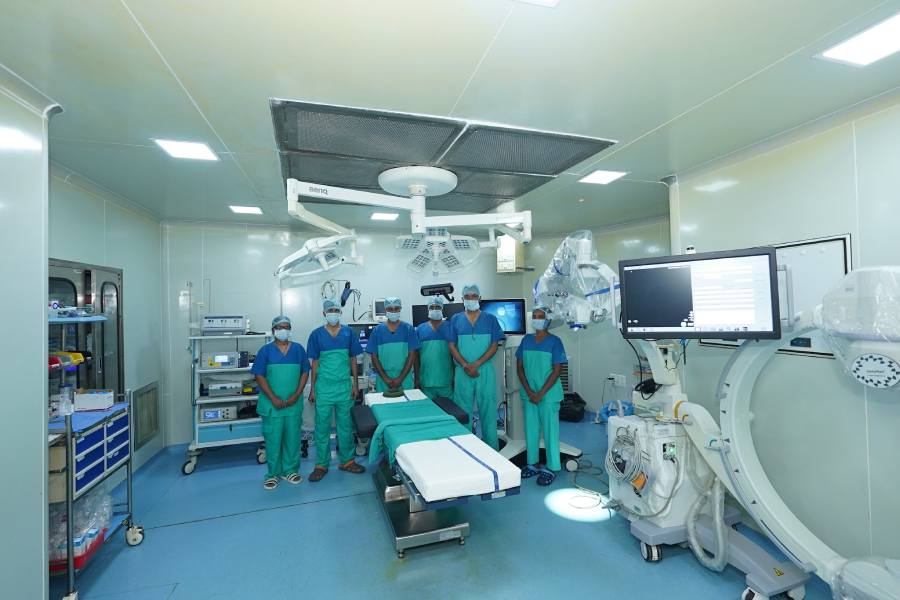
A medical emergency rarely gives any warning. One moment feels ordinary, the next demands split second decisions from trained hands. Modern emergency care services succeed because these teams work together rather than in isolation. You may never think about this coordination until you need it, yet it quietly decides how well patients recover from serious events.
Where Every Second Carries Weight
One Team, One Direction: Coordinated emergency care services bring emergency physicians, intensivists, and nursing staff into a single decision loop. Each specialist sees the same information at the same time. That shared picture cuts confusion during resuscitation, stabilisation, and transfer. Patients benefit because treatment starts faster, and honestly, faster treatment often separates full recovery from lasting complications.
Diagnostics Without the Wait: A well equipped hos pital in Ranchi now brings this coordinated model to patients across the region. Emergency physicians work beside diagnostic teams around the clock, so scans, blood work, and specialist opinions arrive without long waits. You get answers quickly, families stay informed, and the entire treatment pathway moves in one clear direction.
The Machinery Behind Rapid Decisions
Sorting Urgency Before Anything Else: Every emergency department depends on structured triage protocols to decide who receives attention first. Nurses assess blood pressure, breathing, symptoms, and risk within minutes of arrival. This sorting step looks simple from the outside. It is not. Done well, it directs critical resources towards the sickest patients and prevents dangerous delays for those who cannot wait.
Answers at the Bedside: Modern departments rely on point of care testing to shorten the gap between question and answer. Blood results that once took hours now appear within minutes, right beside the patient. Doctors adjust treatment on the spot. Perhaps the biggest gain here is confidence, since decisions rest on current data rather than guesswork.
What Coordination Looks Like on the Ground
Strong emergency care services show their value through small, practical habits repeated every single day. These habits look modest on paper. Together, they change outcomes in ways patients rarely see but always feel. You might recognise some of them from your own hospital visits. A few of the most meaningful practices deserve a closer look.
- Shared handover notes keep every shift aware of changing patient conditions.
- Joint ward rounds let intensivists and emergency doctors plan treatment together.
- Rapid response teams reach deteriorating patients within minutes of an alert.
- Regular case reviews help teams learn from every complex admission.
None of these steps demands expensive technology. They demand discipline, clear communication, and a culture where every team member speaks up. Hospitals that build these habits into daily routine tend to record shorter stays, fewer complications, and calmer families. That pattern holds true across departments, from trauma bays right through to intensive care wards.
When Minutes Decide, Teamwork Delivers
Emergencies will always arrive without notice, yet their outcomes are shaped long before the ambulance doors open. Coordinated teams, quick diagnostics, and constant communication turn chaos into a managed process. If you or a family member ever faces a sudden medical crisis, choosing a trusted hospital in Ranchi with coordinated critical care can make all the difference.
