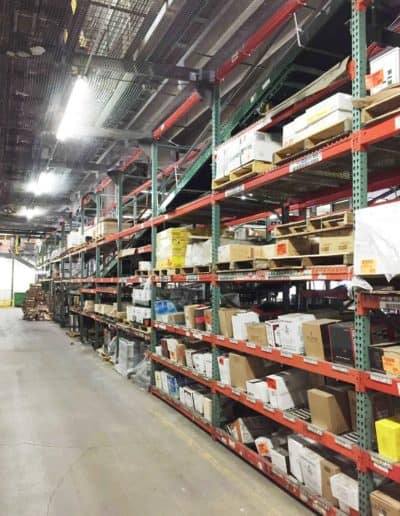
Quality warehouse racking systems transform storage facilities into efficient operational hubs by maximizing vertical space utilization, improving product accessibility, enhancing worker safety, and delivering measurable productivity gains that directly impact profitability and competitive positioning.
Modern warehouses face mounting pressure to optimize every square foot while maintaining rapid order fulfillment. Traditional storage approaches that treat racking as simple shelving miss significant operational advantages. Smart facility managers recognize that strategic racking investments create compound benefits across multiple operational areas, from safety compliance to productivity metrics.
Businesses seeking warehouse racking for sale must evaluate systems based on operational impact rather than initial cost alone. Quality racking solutions deliver measurable returns through improved space utilization, reduced labor costs, and enhanced safety compliance. The right system transforms chaotic storage areas into streamlined operational zones that support sustained growth and profitability.
Professional-grade racking systems enable facilities to achieve density improvements of 40–60% over traditional storage methods. These gains come through strategic vertical space utilization and optimized aisle configurations. Facilities that implement quality racking report significant reductions in handling time and dramatic improvements in inventory accuracy across all product categories.
Maximizing Vertical Space Through Strategic Design
- Vertical Integration Benefits: Quality racking systems unlock unused overhead space that represents substantial untapped storage capacity. Most warehouses utilize only 60-70% of available vertical space, leaving significant storage potential unrealized. Professional racking installations enable facilities to access this overhead capacity safely and efficiently.
- Load Distribution Optimization: Advanced racking designs distribute weight loads across multiple support points, enabling higher stacking configurations without compromising structural integrity. These systems accommodate varying product weights and dimensions while maintaining consistent access speed. Proper load distribution also extends equipment lifespan and reduces maintenance requirements significantly.
- Space Density Calculations: Strategic racking placement can increase storage density by 2.5 to 3 times compared to floor stacking methods. This multiplication effect allows businesses to delay expensive facility expansions while accommodating inventory growth. The space savings often justify racking investments within 12–18 months through reduced real estate costs alone.
Improving Organization and Accessibility Standards
- Product Location Systems: Organized racking creates logical product placement hierarchies that reduce search times and eliminate picking errors. Workers can locate items 60–70% faster when products follow consistent racking organization principles. This efficiency gain translates directly into improved order fulfillment speeds and reduced labor costs per shipment.
- Traffic Flow Optimization: Well-designed racking systems create clear traffic patterns that prevent bottlenecks and reduce equipment congestion. Strategic aisle widths accommodate various handling equipment while maintaining efficient product access. These improvements reduce order processing time and minimize costly operational delays during peak periods.
- Inventory Accuracy Enhancement: Structured racking systems support better inventory control through designated product locations and clear visual identification systems. Facilities report 25–40% improvements in inventory accuracy after implementing organized racking solutions. Better accuracy reduces costly stock-outs and eliminates expensive emergency shipments that erode profit margins.
Benefits of Implementing the Right Storage Solution
- Reduced picking errors through standardized product placement and clear location identification systems that eliminate confusion.
- Faster employee training periods since organized systems are intuitive and reduce the learning curve for new workers.
- Improved inventory rotation capabilities that prevent product expiration and minimize waste through better visibility and access.
- Enhanced quality control processes through systematic product inspection points built into the racking configuration design.
Enhancing Safety Through Professional Installation
- Structural Integrity Standards: Professional racking systems meet strict engineering standards that protect both personnel and inventory investments. Quality installations include seismic considerations, load capacity certifications, and safety factor margins that exceed basic requirements. These standards prevent catastrophic failures that could result in injuries, inventory loss, and costly operational shutdowns.
- Employee Protection Measures: Proper racking reduces workplace accidents by eliminating unstable stacking configurations and providing secure product containment. Safety improvements include better lighting access, wider walkways, and reduced overhead hazards. Facilities with professional racking report 50–70% fewer storage-related incidents compared to traditional stacking methods.
Quality warehouse racking represents a strategic investment that delivers compound operational benefits extending far beyond simple storage capacity. The combination of space optimization, organizational improvements, and enhanced safety creates measurable competitive advantages that strengthen long-term business performance.
Take action today by evaluating your current storage efficiency and exploring professional racking solutions that align with your operational goals and growth projections.
Featured Image Source: https://conesco.com/wp-content/uploads/2019/10/Cant-Leg-Row-400×516.jpg