The security landscape has changed dramatically over recent years. Gone are the days when hiring a night watchman was enough to protect business premises. Today’s threats are more sophisticated, requiring equally advanced solutions that don’t break the bank. Many organisations find themselves at a crossroads – continue with traditional security methods or embrace wholly digital alternatives. But what if there’s a middle path? A strategy that harnesses the strengths of both approaches while minimising their weaknesses.
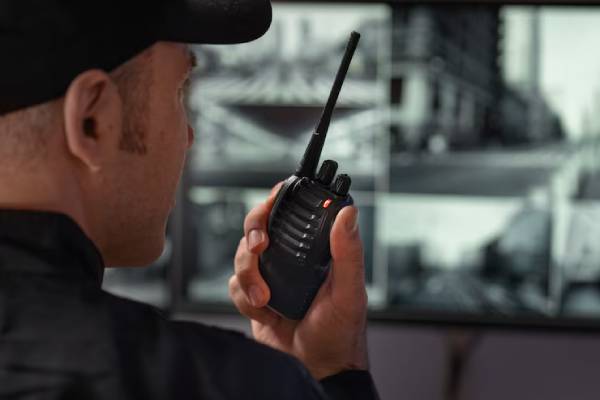
Finding reliable security guard Alberta providers can be challenging for businesses needing physical protection. Professional guards bring irreplaceable human judgment to security situations – they can make contextual decisions, de-escalate conflicts through conversation, and adapt to unexpected scenarios in ways technology simply cannot. Their visible presence alone often deters potential wrongdoers. Yet maintaining 24/7 guard coverage across multiple locations comes with significant costs and logistical challenges that many businesses struggle to justify.
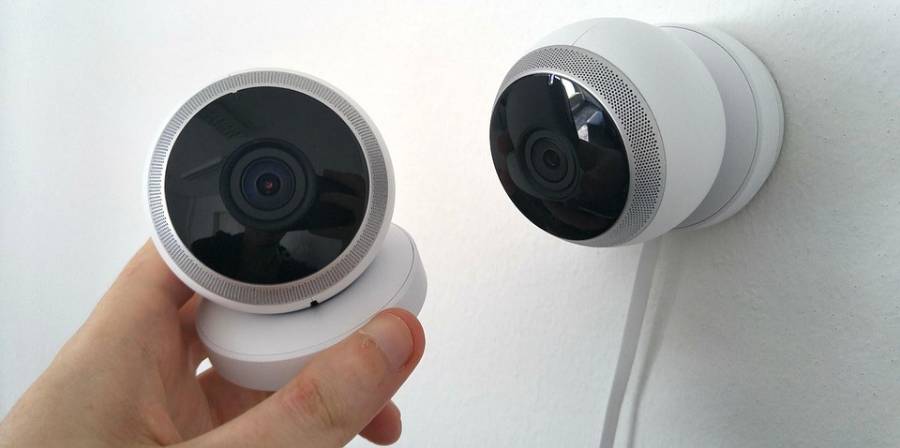
This is where remote video monitoring systems enter the picture, complementing rather than replacing human guards. These sophisticated surveillance networks allow trained operators to observe multiple locations simultaneously from a central station. Unlike passive CCTV that merely records incidents for later review, modern remote monitoring enables real-time intervention. When suspicious activity triggers sensors or analytics, operators can issue verbal warnings through speakers, alert on-site guards, or contact authorities immediately – all while recording evidence for later use.
The Limitations of Single-Approach Security
Relying exclusively on either guards or technology creates vulnerability gaps. Human guards, despite their training, cannot be everywhere at once. They need breaks, can experience fatigue during long shifts, and naturally have limited visibility across large properties. Meanwhile, technology-only solutions may struggle with nuanced situations, false alarms, and power or connectivity failures.
Many businesses discover these limitations the hard way – after experiencing security incidents. A warehouse might have guards patrolling the perimeter while intruders access an unmonitored loading bay. Alternatively, a retail operation might invest heavily in cameras but lack the human response capability when someone actually breaks in.
Creating a Unified Security Ecosystem
The most effective approach integrates both elements into a cohesive system. This isn’t simply about having guards and cameras in the same location – it’s about designing them to work together synergistically. For example, analytics-enabled cameras can alert guards to potential issues in specific areas, allowing them to respond precisely where needed rather than following predetermined patrol routes.
This integration extends to sharing information across platforms. Modern security management software can combine guard reports, video footage, access control data, and alarm activations into comprehensive incident timelines. This proves invaluable not just for immediate response but for identifying patterns, improving procedures, and preventing future breaches.
Cost-Effectiveness Through Strategic Deployment
Perhaps surprisingly, hybrid security solutions often reduce overall protection costs. Rather than staffing every location with guards around the clock, organisations can maintain smaller, more mobile teams supported by comprehensive monitoring. Guards can be deployed strategically during high-risk periods or locations, while technology maintains vigilance elsewhere.
Take the example of a corporate campus with multiple buildings. Traditional security might require guards at each entrance, plus roving patrols – potentially a dozen personnel per shift. A hybrid approach might use half as many guards, strategically positioned and dispatched based on monitoring systems that cover all areas continuously.
Adapting to Seasonal and Event-Based Security Needs
One often overlooked advantage of hybrid security systems is their scalability for fluctuating requirements. Retail businesses experience dramatically different security needs during holiday shopping seasons versus slower periods. Educational institutions face varying challenges during term time compared to holidays. A hybrid approach allows for rapid scaling up or down without lengthy recruitment or redundancy processes.
During special events or high-traffic periods, additional guards can be deployed temporarily while maintaining consistent technological coverage. Conversely, during quiet periods or after hours, monitoring can take precedence with minimal physical presence required. This flexibility proves particularly valuable for businesses with cyclical or seasonal operations.
Real-World Applications
Retail environments particularly benefit from this combined approach. During business hours, physical security staff focus on customer service and loss prevention, while cameras monitor blind spots and back areas. After hours, monitoring takes precedence with reduced guard presence, enabling quick response to any suspicious activity without maintaining full staffing.
Construction sites present another perfect application. These temporary locations often contain valuable materials and equipment but lack permanent security infrastructure. Mobile camera towers with remote monitoring capabilities can provide comprehensive site coverage, while periodic guard visits or rapid-response teams handle situations requiring physical intervention.
The Data Advantage: Analytics-Driven Security
Beyond immediate protection, integrated security systems generate valuable data that traditional approaches simply cannot match. Modern analytics can identify patterns invisible to human observation alone – like subtle changes in visitor flow that might indicate casing behaviour before theft attempts, or unusual access patterns that could signal insider threats.
This data transforms security from a purely reactive function to a proactive one. Potential vulnerabilities can be identified and addressed before incidents occur. Resource allocation becomes more scientific, with guards and technological assets deployed based on empirical risk assessments rather than assumptions or tradition.
Implementation Considerations
Transitioning to a hybrid security model requires thoughtful planning rather than simply adding technology to existing guard services. Start by conducting a comprehensive risk assessment identifying specific vulnerabilities unique to your operation. This helps determine the optimal balance between human and technological elements for your situation.
Next, ensure technological components are truly complementary rather than redundant. Each element should address specific weaknesses in the overall security posture. When selecting technology partners, prioritise integration capabilities – systems that cannot communicate with each other create information silos that undermine the unified approach.
The Human Element Remains Critical
Despite technological advances, properly trained security personnel remain the cornerstone of effective protection. Technology multiplies their effectiveness rather than replacing them. This requires guards who understand and embrace technology rather than viewing it as competition or surveillance of their own activities.
Forward-thinking security companies now train their personnel specifically for hybrid environments. Guards learn to interpret alerts from various systems, prioritise responses based on AI-enhanced risk assessments, and document incidents digitally for seamless integration with monitoring platforms.
Privacy and Compliance Considerations
Implementing comprehensive surveillance alongside human security brings important privacy considerations. Responsible deployment requires clear policies about what is monitored, how data is stored, and who can access footage. Staff and visitors should understand what monitoring systems are in place through appropriate signage and communications.
Different industries face varying regulatory requirements regarding security measures. Healthcare facilities must balance security with patient privacy protections. Financial institutions have specific requirements for monitoring and recording capabilities. A well-designed hybrid system can help meet these compliance needs while maintaining effective protection.
The future of effective security lies not in choosing between human guards or technology but in thoughtfully blending both for comprehensive protection. By leveraging the unique strengths of each approach, businesses can create security solutions that are simultaneously more effective and more economical than either method alone. The key is viewing security holistically rather than as separate physical and digital domains. If your organisation is still relying exclusively on either guards or surveillance technology, it’s time to explore how integrating both might transform your security posture. Speak with a security consultant today about assessing your current vulnerabilities and designing a hybrid solution tailored to your specific needs.
Featured Image Source: https://img.freepik.com/free-photo/portrait-male-security-guard-with-radio-station-camera-screens_23-2150368715.jpg