Body donation is a significant way to help science and education. Giving your body after death can assist future doctors with anatomy lessons and support scientists in creating new life-saving treatments. However, it’s not widely known that there are detailed steps in place to make sure the donation is safe, appropriate, and compliant with the receiving institution’s standards.
Initial Intent and Documentation
The first step in the process often begins with an individual registering their intent to donate body to science through a university, medical research facility, or non-profit organization. Generally, a consent form is filled out to document the donor’s desires and inform the next of kin.
At this point, potential donors find out that registration does not always result in donation after death. Organizations have the right to refuse a donation, which will be determined during the screening process.
Medical and Legal Screening
After the death of the donor, the body donation process gets started. It is important to ensure the safety of the people who will be working with the body in this phase.
Medical institutions review recent health records, study autopsy reports, and look for signs of HIV, hepatitis B and C, or similar diseases. A body may not be usable in education when it has been through significant decomposition, injury, or surgical changes.
Acceptance, Declination, and Alternative Options
Once the evaluation is done, the organization decides whether to approve or deny the donation. Just because someone has pre-registered does not mean they are definitely accepted. Possible factors for a patient’s decline can be advanced decomposition, a major surgical event, certain infectious diseases, or issues with resources at the facility.
If the donation is accepted, the facility will usually handle the transportation and handling of the body without charging the family. A majority of institutions provide for cremation and often return the ashes to you after their study or teaching use is done.
Ethical Guidelines and Respect
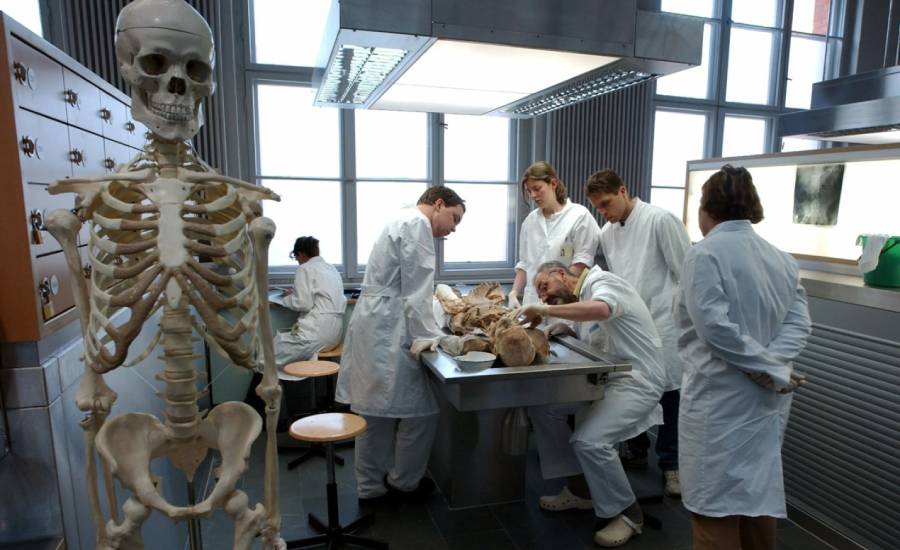
Throughout the process, ethical considerations are upheld with the utmost care. Institutions are guided by professional standards that mandate respectful treatment of all donated remains. Staff, students, and researchers receive training on the proper handling of bodies, and many institutions hold annual memorial services to honor the donors.
In most cases, the use of the body is strictly limited to educational or scientific purposes, and donors are not used for commercial profit. Clear communication with the donation program helps ensure the donor’s values and expectations are honored.
Conclusion
The decision to donate one’s body to science is deeply personal and incredibly meaningful. Understanding the detailed screening process—before and after death—helps donors and their families approach this commitment with confidence and clarity.
While it requires thoughtful preparation and an understanding of potential outcomes, body donation continues to play a vital role in medical education and scientific advancement, offering a legacy of learning and discovery that can benefit generations to come.