Water features are more than just pretty backyard additions. They’re delicate ecosystems that require careful management and understanding. Ponds represent complex environments where life thrives, struggles, and depends on precise conditions that aren’t immediately visible to the naked eye.
A pond aeration system works like an underwater life support mechanism. It introduces oxygen into water, creating a balanced environment where aquatic life can flourish. Fish, plants, and microscopic organisms rely on this constant oxygen exchange to survive and thrive, much like humans need clean air to breathe.
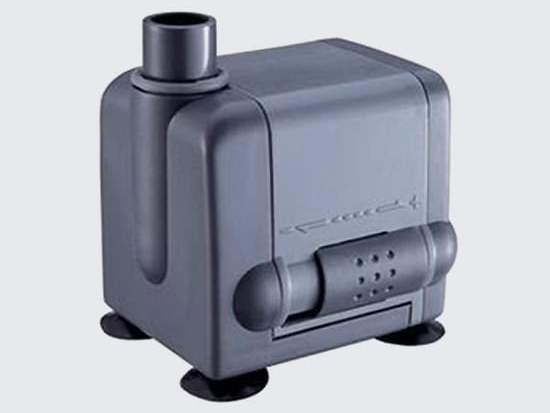
When homeowners decide to buy pumps for fountains, they’re doing more than purchasing equipment. They’re investing in a critical system that manages water quality, prevents stagnation, and supports a vibrant aquatic ecosystem. The right pump does the heavy lifting of circulating water, removing harmful gases, and introducing essential oxygen.
The Oxygen Lifeline: Understanding Water Dynamics
Oxygen plays a transformative role in pond health. Without proper aeration, water becomes a breeding ground for algae, harmful bacteria, and other unwanted organisms. Stagnant water creates an environment where toxic gases build up, potentially killing fish and destroying the delicate balance of the ecosystem.
Aeration System Varieties: A Comprehensive Overview
Different types of aeration systems exist, each designed for specific pond sizes and conditions. Surface aerators create movement and oxygen exchange through water splashing and circulation. Diffused aerators push air through underwater diffusers, creating tiny bubbles that maximize oxygen transfer from bottom to top.
Professional Insights: Beyond Basic Maintenance
Professional landscapers and pond enthusiasts understand that aeration isn’t just about equipment. It’s about creating a sustainable environment. The right system can dramatically improve water clarity, reduce algae growth, and support a healthy population of fish and aquatic plants.
Size Matters: Tailoring Aeration to Your Pond
Size matters when selecting an aeration system. Small backyard ponds require different approaches compared to larger water features. Factors like pond depth, water volume, and existing wildlife all play crucial roles in determining the most effective aeration strategy. For koi ponds, it is recommended that water be circulated once an hour. A six hundred gallon pond needs 600 gallons per hour of water circulation. For large ponds, e.g., ¼ to 10 acres, water does not need to be recirculated as often, but water circulation is essential.
Energy Efficiency: The Modern Pond Owner’s Concern
Energy efficiency has become a significant consideration for modern pond owners. Advanced aeration systems now offer improved performance with reduced electricity consumption. This means maintaining a healthy pond ecosystem doesn’t have to come with hefty utility bills.
The Hidden Ecosystem: What Lies Beneath the Surface
Ponds are complex biological systems with intricate relationships between organisms. Microorganisms, insects, plants, and fish create a delicate balance that depends on proper oxygen levels. Aeration helps maintain this balance by preventing stratification – the dangerous separation of water layers with different temperatures and oxygen content.
Seasonal Considerations in Pond Management
Different seasons bring unique challenges to pond ecosystems. Summer heat can dramatically reduce oxygen levels, while winter ice can trap harmful gases and a de-icer might be needed. A well-designed aeration system adapts to these seasonal changes, providing consistent support to aquatic life throughout the year.
Technology Meets Nature: Advanced Aeration Solutions
Modern aeration technologies go beyond simple water movement. Smart systems now offer monitoring capabilities, allowing pond owners to track oxygen levels, water quality, and ecosystem health in real-time. These advanced solutions provide unprecedented insights into the hidden world beneath the water’s surface.
Common Misconceptions About Pond Aeration
Many pond owners misunderstand the importance of aeration. Some believe that natural water movement is enough, while others overlook the critical role of oxygen in maintaining a healthy ecosystem. Natural aeration is often not enough to support a pond’s health. Education is key to understanding the complex dynamics of pond management.
Why Aeration Matters More Than You Think
Water stagnation is a silent killer in ponds. Without proper circulation, water becomes a toxic environment. Harmful gases accumulate, oxygen levels drop, and the entire ecosystem suffers. Aeration breaks this cycle, introducing life-giving oxygen and promoting natural water purification processes.
Choosing the Right Pump
Not all pumps are created equal. Factors like pump size, water volume, and specific pond requirements determine the most effective solution. Homeowners should consider factors beyond initial cost, focusing on long-term performance and ecosystem health.
Water features represent more than decorative elements. They’re living, breathing ecosystems that require thoughtful management. Invest in a quality aeration system and watch your pond transform from a stagnant water feature to a vibrant, thriving habitat. Take the first step today – research, consult experts, and choose an aeration system that will breathe life into your outdoor space.
Featured Image Source: https://www.fountaintechpumps.com/wp-content/uploads/2022/10/fountain-tech-ft-150-o.jpg