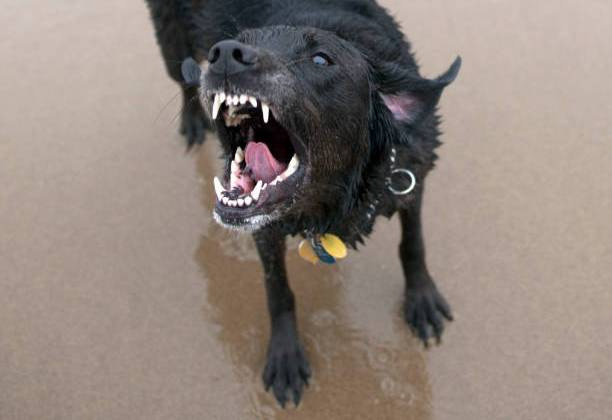
Dog bite injuries can happen without warning, turning an ordinary day into a medical emergency that could lead to lasting consequences. These incidents often involve multiple parties, complex insurance claims, and state-specific regulations that victims must navigate while dealing with physical and emotional trauma. The aftermath becomes overwhelming when medical bills accumulate and insurance companies begin their investigation processes.
Understanding Alaska’s statute of limitations dog bite laws becomes critical for protecting legal rights after an incident occurs. Alaska provides injured parties with two years from the date of injury to file a personal injury claim, though certain circumstances may affect this timeline. Missing this deadline can permanently bar compensation claims, making early legal consultation essential for preserving all available options and ensuring proper case preparation.
Finding a qualified dog bite lawyer near me in Alaska ensures access to attorneys who understand local court procedures and state-specific regulations. Local legal professionals maintain relationships with medical experts, insurance adjusters, and court personnel that can significantly impact case outcomes. Their familiarity with Alaska’s comparative negligence laws and insurance requirements provides strategic advantages that out-of-state attorneys cannot match.
Immediate Steps Following a Dog Bite Incident
- Prioritizing Medical Care: Dog bite wounds require immediate professional medical attention regardless of apparent severity. Even minor puncture wounds can lead to serious infections, nerve damage, or scarring that becomes apparent days after the initial incident. Emergency room physicians can properly assess tissue damage, clean wounds thoroughly, and prescribe antibiotics to prevent complications that could worsen without proper treatment.
- Documenting the Scene: Comprehensive documentation begins immediately after ensuring medical safety and creates the foundation for any future legal proceedings. Photographs should capture the injury from multiple angles, the location where the incident occurred, and any visible property damage or environmental factors. Witness contact information becomes invaluable evidence, as their accounts can provide objective perspectives about the circumstances surrounding the attack.
- Reporting Requirements: Alaska law requires specific reporting procedures for dog bite incidents that vary by municipality and severity of injuries. Animal control agencies must be notified within designated timeframes, and police reports may be necessary depending on the circumstances. Proper reporting creates official documentation that insurance companies and legal professionals will reference throughout the claims process.
Alaska’s Dog Bite Laws and Liability Standards
- Strict Liability Framework: Alaska follows a strict liability standard for dog bite cases, meaning owners are responsible for injuries their animals cause regardless of the dog’s previous behavior or the owner’s knowledge of aggressive tendencies. This legal framework eliminates the need to prove negligence or prior knowledge, though certain exceptions apply when victims trespass or provoke the animal. Understanding these nuances requires expertise in Alaska’s specific statutes and case law interpretations.
- Comparative Negligence Considerations: Alaska’s comparative negligence system can reduce compensation when victims bear partial responsibility for their injuries. Courts evaluate whether the injured party’s actions contributed to the incident, such as ignoring warning signs or entering private property without permission. These determinations significantly impact final settlement amounts, making skilled legal representation crucial for protecting compensation rights of the hurt party.
- Insurance Coverage Complexities: Homeowner’s and renter’s insurance policies typically cover dog bite liability, though coverage limits and exclusions vary significantly between providers. Some policies exclude specific breeds or impose restrictions based on previous claims history. Insurance companies often dispute liability or minimize settlement offers, requiring experienced legal advocacy to ensure fair compensation for medical expenses and other damages.
The Critical Importance of Early Legal Consultation
- Evidence Preservation: Time-sensitive evidence can disappear quickly after dog bite incidents, making immediate legal intervention essential for building strong cases. Surveillance footage from nearby businesses or homes may be automatically deleted within days or weeks. Medical records, witness statements, and physical evidence require prompt collection and preservation to maintain their legal value throughout the claims process.
- Insurance Company Tactics: Insurance adjusters contact victims shortly after incidents, often seeking recorded statements or quick settlements that minimize their financial exposure. These early communications can inadvertently damage claims when victims make statements without understanding their legal implications. Legal representation ensures all communications with insurance companies protect the victim’s interests and preserve maximum compensation opportunities.
- Medical Documentation Requirements: Proper medical documentation extends beyond initial emergency treatment to include ongoing care, psychological counseling, and potential future medical needs. Insurance companies scrutinize medical records for pre-existing conditions or treatment gaps that could reduce their liability. Legal professionals coordinate with medical providers to ensure comprehensive documentation that supports full compensation claims.
Choosing the Right Legal Representation
- Local Court Experience: Alaska’s court system has unique procedures and local rules that affect case presentation and settlement negotiations. Attorneys who regularly practice in Alaska courts understand judicial preferences, local jury tendencies, and procedural requirements that can impact case outcomes. This local knowledge provides strategic advantages that attorneys from other jurisdictions cannot offer.
- Specialized Dog Bite Expertise: Dog bite cases involve specific legal theories, medical knowledge, and insurance practices that differ from other personal injury claims. Attorneys who specialize in these cases understand the psychological impacts of animal attacks, the medical complexities of bite wounds, and the insurance coverage issues that commonly arise. Their expertise ensures comprehensive case preparation and maximum compensation recovery.
- Fee Structure Considerations: Most dog bite attorneys work on contingency fee arrangements, meaning clients pay no upfront costs and attorneys receive payment only when cases result in successful settlements or judgments. This arrangement allows injured parties to access quality legal representation without financial risk. Understanding fee structures and case expenses helps victims make informed decisions about legal representation options.
Common Challenges in Dog Bite Cases
- Identifying Responsible Parties: Dog bite liability extends beyond pet owners to include property owners, landlords, and others who may bear legal responsibility for the incident. Determining all potentially liable parties requires investigation into property ownership, lease agreements, and insurance coverage. Multiple defendants can increase available compensation but also complicate legal proceedings and settlement negotiations.
- Establishing Damages: Dog bite injuries often involve both economic and non-economic damages that can be difficult to quantify accurately. Economic damages include medical expenses, lost wages, and future medical needs, while non-economic damages cover pain, suffering, and emotional distress. Calculating fair compensation requires expertise in medical cost projections and understanding of Alaska’s damage calculation standards.
- Dealing with Uninsured Owners: Some dog owners lack adequate insurance coverage to compensate serious injury victims fully. These situations require creative legal strategies to identify alternative compensation sources or pursue personal assets. Uninsured motorist coverage may provide additional protection in certain circumstances, though these claims involve complex insurance policy interpretations.
Building a Strong Case Foundation
- Medical Expert Testimony: Complex dog bite cases often require medical expert testimony to establish the extent of injuries, future medical needs, and the relationship between the incident and ongoing complications. These experts provide professional opinions about treatment costs, disability ratings, and long-term prognosis. Their testimony becomes crucial when insurance companies dispute the severity or permanence of injuries.
- Behavioral Expert Analysis: Animal behavior experts can provide valuable testimony about dog aggression, owner responsibility, and the circumstances that led to the attack. Their analysis helps establish liability and counter defense arguments about victim provocation or unusual circumstances. This expert testimony becomes particularly important in cases involving complex factual disputes about the incident.
- Economic Loss Documentation: Comprehensive documentation of economic losses includes immediate medical expenses, ongoing treatment costs, lost wages, and future earning capacity reductions. These calculations require detailed analysis of employment records, medical bills, and expert testimony about future needs. Thorough documentation ensures no compensable losses are overlooked during settlement negotiations.
Strategic Settlement Negotiations
- Timing Considerations: Settlement negotiations require careful timing to maximize compensation while avoiding unnecessary delays that could harm the victim’s interests. Early settlements may not account for long-term medical complications, while extended negotiations can create financial hardship. Experienced attorneys balance these competing interests to achieve optimal outcomes for their clients.
- Negotiation Leverage: Strong cases with clear liability and well-documented damages provide significant negotiation leverage against insurance companies seeking to minimize their exposure. This leverage allows attorneys to demand fair compensation and reject inadequate settlement offers. Weak cases or poor documentation reduces negotiation power and may result in lower compensation amounts.
- Alternative Dispute Resolution: Mediation and arbitration provide alternative resolution methods that can save time and costs compared to traditional litigation. These processes allow parties to reach mutually acceptable agreements without the uncertainty and expense of trial proceedings. Skilled attorneys can effectively advocate for their clients’ interests in these alternative forums.
Protecting Your Rights During Recovery
The following steps help protect legal rights while focusing on physical and emotional recovery:
- Maintain detailed records of all medical treatments, expenses, and how injuries affect daily activities
- Follow medical advice completely and attend all scheduled appointments to avoid gaps in treatment
- Avoid social media posts about the incident or recovery process that could be misinterpreted
- Document ongoing symptoms including pain levels, sleep disturbances, and emotional effects
- Preserve all evidence including clothing, photographs, and any communication with the dog owner
Long-term Impact and Recovery Planning
- Physical Rehabilitation: Dog bite injuries often require extensive physical therapy, reconstructive surgery, or ongoing medical treatment that extends far beyond initial emergency care. These long-term medical needs must be carefully projected and included in settlement calculations. Insurance companies frequently underestimate future medical costs, making expert medical testimony crucial for protecting compensation rights.
- Psychological Recovery: Animal attacks can create lasting psychological trauma that affects victims’ quality of life, relationships, and ability to work effectively. Post-traumatic stress disorder, anxiety, and phobias are common psychological consequences that require professional treatment. These psychological impacts deserve compensation and must be properly documented and presented during settlement negotiations.
- Financial Planning: Serious dog bite injuries can create significant financial hardship through medical expenses, lost wages, and reduced earning capacity. Proper settlement planning ensures compensation addresses both immediate needs and long-term financial security. This planning may include structured settlements, special needs trusts, or other financial instruments that protect the victim’s interests.
Dog bite incidents create complex legal situations that require immediate professional attention to protect victims’ rights and ensure fair compensation. The combination of Alaska’s specific laws, insurance complexities, and time-sensitive evidence makes early legal consultation essential for successful outcomes. Victims who delay seeking legal advice often face reduced compensation opportunities and weakened negotiation positions that could have been avoided with prompt action. Contact an experienced personal injury attorney today to discuss your case and protect your legal rights before critical deadlines expire.
Featured Image Source: https://media.gettyimages.com/id/154345987/photo/black-labrador-dog-prepares-to-bite.jpg