Renewable energy development represents a transformative force reshaping Ontario’s economic landscape. Communities across the province witness unprecedented growth as clean energy infrastructure takes root in their regions. These projects deliver immediate construction employment alongside long-term operational positions, creating sustainable economic foundations that extend far beyond initial installation phases.
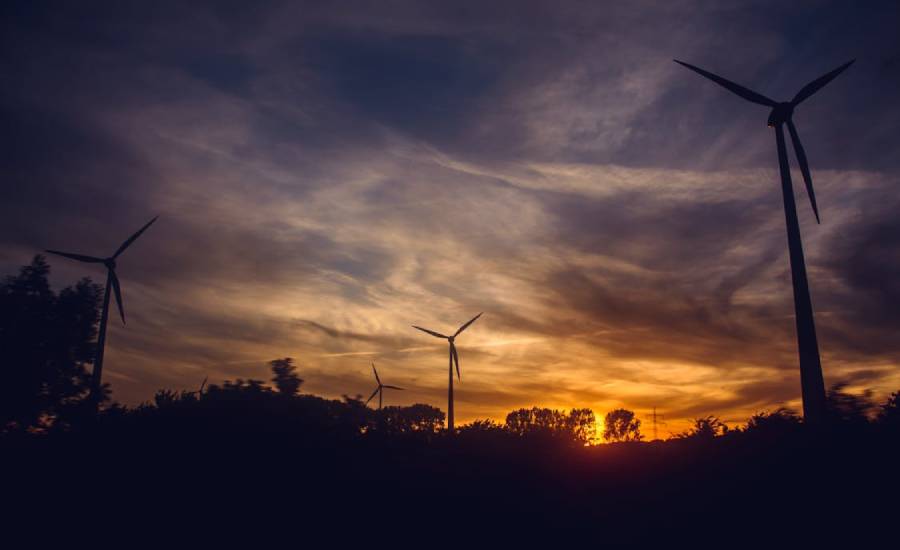
Ontario wind turbines generate remarkable economic activity from the moment development begins. Construction phases require skilled trades, heavy equipment operators, and support personnel drawn predominantly from local labour markets. These installations create permanent maintenance positions whilst generating substantial lease payments to landowners, establishing reliable income streams that support rural communities for decades ahead.
Ontario solar installations similarly drive significant economic expansion through diverse employment opportunities and community investment. Large-scale solar farms require extensive local workforce participation during construction phases, from site preparation through equipment installation. Property owners benefit from consistent lease agreements that provide predictable revenue streams whilst maintaining agricultural land use compatibility.
Economic Multiplier Effects
- Direct Employment Creation: Clean energy projects establish immediate employment opportunities across multiple skill levels and trades. Construction phases typically span 12-24 months, requiring substantial workforce participation from surrounding communities. These positions often provide above-average wages compared to traditional local employment options, boosting household spending power and supporting local businesses.
- Indirect Business Support: Equipment transportation, accommodation services, and supply chain requirements create ripple effects throughout regional economies. Local restaurants, hotels, and service providers experience increased demand during construction periods. This economic activity strengthens existing businesses while encouraging new entrepreneurial ventures to meet growing market demands.
- Long-term Revenue Streams: Operational phases generate consistent economic benefits through property taxes, lease payments, and ongoing maintenance requirements. Municipalities receive enhanced tax revenue that supports infrastructure improvements and community services. These predictable income sources enable long-term planning and investment in local development initiatives.
Investment Attraction and Infrastructure Development
- Capital Investment Flows: Major renewable energy projects attract substantial capital investment to regions that historically received limited industrial development funding. These investments often exceed hundreds of millions of dollars, representing significant economic injections into local economies. Financial institutions, equipment manufacturers, and service providers establish regional presences to support ongoing operations.
- Infrastructure Improvements: Grid connections, road upgrades, and utility enhancements required for renewable energy projects benefit entire communities beyond the immediate project footprint. These improvements attract additional business investment whilst enhancing property values and quality of life for residents.
The following economic benefits demonstrate renewable energy’s comprehensive impact:
- Property tax revenue increases by 15-25% in communities hosting large-scale renewable projects
- Local spending during construction phases typically exceeds $50 million per major installation
- Annual lease payments to landowners range from $3,000-$8,000 per turbine or $300-$500 per acre for solar
- Permanent employment creates 20-30 long-term positions per 100 MW of installed capacity
- Supply chain partnerships establish ongoing relationships with regional businesses and contractors
Community Economic Transformation
- Agricultural Compatibility: Renewable energy projects complement existing agricultural operations rather than displacing them. Farmers maintain crop production between turbine installations or beneath elevated solar arrays, creating dual land use opportunities that maximise economic returns from available property.
- Rural Revitalisation: Remote communities experience population stabilisation and growth as renewable energy employment attracts skilled workers and their families. This demographic shift supports local schools, healthcare facilities, and retail establishments that previously faced declining customer bases.
Green energy development creates lasting economic transformation that extends far beyond initial construction phases. These projects establish diversified revenue streams, attract substantial investment, and generate employment opportunities that strengthen community resilience. Take action today by researching renewable energy opportunities in your region and connecting with local development initiatives to maximise economic benefits for your community.
Featured Image Source: https://images.pexels.com/photos/671585/pexels-photo-671585.jpeg