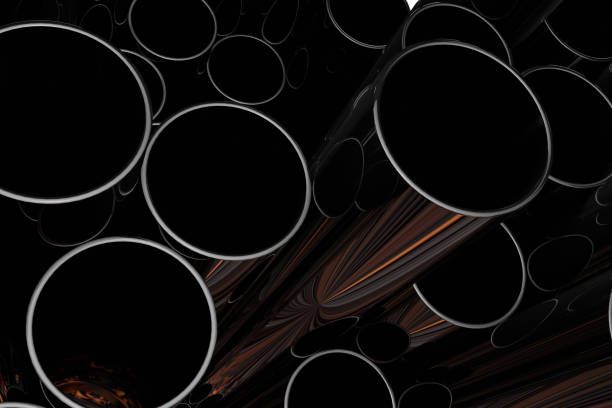
Choosing piping materials based solely on upfront costs creates problems years down the line. The real expense shows up in replacement cycles, unplanned shutdowns, and emergency repairs. Smart buyers look at how materials perform after five, ten, or twenty years in service. Different alloys respond to heat, chemicals, and pressure in ways that either extend operational life or cut it short.
How Chrome Pipe Handles Long-Term Service
- Oxidation and Surface Degradation: Chrome pipe develops oxide layers when exposed to high temperatures over extended periods. The protective chromium oxide film can break down during thermal cycling, especially in systems that start and stop frequently. Surface pitting often appears first at weld zones where heat treatment altered the metal structure during fabrication.
- Thermal Cycling Effects: Repeated heating and cooling causes expansion and contraction that stresses pipe walls. Chrome alloys can develop micro-cracks near joints after thousands of temperature swings. Plants running continuous operations see better longevity than those with frequent startups and shutdowns. The material loses ductility over time, becoming more brittle and prone to sudden failure.
317L Stainless Steel Tube Performance Characteristics
- Corrosion Resistance Over Time: 317L stainless steel tube maintains stable performance in chemical processing environments for decades. The molybdenum content provides superior resistance to chloride-induced corrosion compared to standard grades. This alloy holds up well in marine atmospheres, pulp and paper mills, and pharmaceutical manufacturing where aggressive chemicals are present.
- Chemical Stability Advantages: The low carbon content in 317L prevents carbide precipitation during welding or heat exposure. Tubes maintain their corrosion resistance even after fabrication and installation. Processing facilities handling sulfuric acid, acetic acid, or caustic solutions report minimal degradation after ten-plus years of service.
Real-World Performance Data
- Failure Patterns in Chrome Systems: Power generation plants using chrome pipe in superheater sections typically see service life of 8-12 years before replacement becomes necessary. Failures often occur at bends and tees where stress concentrates. One petrochemical facility reported three unplanned shutdowns in five years due to chrome pipe cracking in their reformer units.
- 317L Success Stories: A chemical processing plant installed 317L tubing in their reactor cooling system in 2008 and the system continues operating without major issues. Inspection reports show minimal wall thinning and no stress corrosion cracking. The extended service life offset the higher initial material cost within seven years of operation.
Maintenance and Inspection Best Practices
- Monitoring Schedules: Different materials need different inspection approaches. Chrome pipe systems benefit from annual ultrasonic testing to detect wall thinning and internal defects. Look for these warning signs:
- Discoloration or scaling on external surfaces
- Unusual vibration or noise during operation
- Pressure drops indicating internal restriction
- Visible deformation at supports or hangers
- Life Extension Strategies: Regular cleaning prevents deposit buildup that accelerates corrosion in both materials. Controlling water chemistry in steam systems reduces oxidation rates. Installing expansion loops minimizes stress from thermal movement. Proper support spacing prevents sagging that creates stress points.
Material Selection for Long-Term Value
- Cost Analysis Beyond Purchase Price: A chrome pipe system costing $50,000 might need replacement in ten years. A 317L system at $85,000 could run twenty-five years with minimal maintenance. The price difference disappears when you factor in installation labor, downtime costs, and production losses during changeouts.
- Application-Specific Considerations: High-temperature oxidizing environments favor chrome alloys in specific temperature ranges. Corrosive chemical exposure pushes the advantage toward 317L stainless. Some facilities use chrome pipe for dry gas service and reserve 317L for wet or acidic conditions. Matching material properties to actual service conditions determines which alloy delivers better value.
Material performance over decades matters more than the price on a purchase order. Chrome pipe serves well in certain applications but shows limitations in corrosive or thermally cycling environments. 317L stainless steel tubes offer superior longevity where chemical resistance and structural stability drive operational success. Review your service conditions, calculate total lifecycle costs, and select materials that reduce long-term expenses. Contact a materials specialist to evaluate your specific application requirements and develop a sourcing strategy that prioritizes performance over time.
Featured Image Source: https://media.gettyimages.com/id/1048097938/photo/stack-of-shiny-metal-steel-pipes-with-flame.jpg?s=612×612&w=0&k=20&c=crSGMm6TE7PeJwiTs9eaMenya3vFqPbj7wDU8eU5STY=