General

A Buyer’s Guide to Choosing Security Equipment in Kenya

Security concerns touch nearly every Kenyan today. Whether you’re protecting a small apartment in Eastlands or a large home in Karen, the right security equipment makes all the difference between real protection and wasted money. Navigating the crowded marketplace can feel overwhelming, especially when vendors make promises that sound too good to be true.

A recent survey by A2Z Limited found that 73% of Kenyan property owners regret their first security equipment purchase. Most bought based on price alone, only to discover their systems failed when actually needed. This common mistake costs Kenyans millions each year, not just in replacement equipment but in stolen property and damaged premises. Learning from these experiences can help you make better choices.

Start With Your Specific Risks

Security needs vary dramatically between properties. A ground-floor apartment faces different risks than a standalone house. A shop selling electronics needs different protection than one selling groceries. Before buying anything, take time to understand your specific vulnerabilities.

Ask yourself some basic questions:

  • Are you primarily concerned about break-ins while away or home invasions?
  • Do you need to monitor activity when you’re not present?
  • Are you protecting against theft, vandalism, or both?
  • Do you need to control who enters certain areas?

These questions help narrow your options. Someone mainly worried about daytime break-ins might prioritize strong locks and window security. Someone concerned about night intrusions might focus on motion-activated lighting and alarms. There’s no universal solution that works for every situation.

The Hidden Truth About Budget Equipment

Cheap security equipment floods the Kenyan market. You’ll find cameras priced from 1,500 KSh and complete “security systems” for under 10,000 KSh. These products seem attractive—until you understand what you’re really getting.

Most budget equipment suffers from critical flaws:

  • Poor durability against Kenyan weather conditions
  • Unreliable performance during power fluctuations
  • Low-resolution cameras that capture unusable images
  • Faulty sensors that trigger false alarms or miss intrusions
  • No backup systems for power outages
  • Vulnerability to tampering or disabling

The worst part? These limitations often aren’t obvious until the equipment fails during an actual emergency. By then, the damage is done, and you’re left wondering why you bothered installing protection at all.

Quality Indicators Worth Looking For

Not all security equipment requires a massive budget. Even mid-range options can provide reliable protection if they include certain critical features:

  • Weather resistance appropriate for your location
  • Backup power options
  • Tamper-proof installation methods
  • Resolution sufficient for identification (at least 1080p for cameras)
  • Night vision capabilities
  • Motion detection with adjustable sensitivity
  • Remote monitoring options

One shopkeeper in Nakuru learned this lesson the hard way. He installed four cheap cameras that stopped working after just three months due to dust and power surges. His second purchase—two quality cameras with proper weatherproofing—have functioned flawlessly for over two years despite being exposed to the same conditions.

The Security Equipment Ecosystem

Security equipment works best as an integrated system rather than isolated components. Each piece should complement the others, creating layers of protection that compensate for individual weaknesses.

A basic but effective system might include:

  • Perimeter protection (fences, gates, outdoor lighting)
  • Entry point security (quality locks, door/window sensors)
  • Interior monitoring (motion detectors, cameras)
  • Alert mechanisms (alarms, remote notifications)

The strength lies not in any single component but in how they work together. A would-be thief deterred by good perimeter lighting might never test your door locks. Someone who makes it past your fence might trigger a motion sensor before reaching valuable items.

Adapting to Kenyan Realities

Kenya presents unique challenges for security equipment. Power outages occur regularly. Dust during dry seasons affects electronic components. Heavy rains can damage outdoor equipment. These factors must influence your purchasing decisions.

Look for equipment explicitly designed for challenging environments. Some features worth considering:

  • Dust-proof casings for outdoor cameras
  • Surge protection for all electronic components
  • Battery backup systems with reasonable duration
  • Solar charging options for outdoor equipment
  • Water-resistant or waterproof ratings for outdoor devices

These features might increase initial costs but dramatically reduce replacement frequency and improve reliability when you need protection most.

Professional vs. DIY Installation

YouTube videos make security installation look simple. Many Kenyans attempt DIY installation to save money, often creating serious vulnerabilities in the process.

Professional installation offers several advantages:

  • Proper positioning based on security experience
  • Secure wiring that can’t be easily cut or bypassed
  • Correct configuration of all components
  • Testing under various conditions
  • Knowledge of common vulnerabilities
  • Guidance on effective use

While DIY might work for basic components like standalone cameras, integrated systems typically require professional installation to function properly. The security gaps created by improper installation often negate any savings from doing it yourself.

The Monitoring Question

Security equipment falls into two broad categories: self-monitored and professionally monitored. Understanding the difference helps you make appropriate choices.

Self-monitored systems alert you directly when something happens. They might send notifications to your phone or trigger local alarms. The response responsibility falls entirely on you—whether you’re home, at work, or traveling abroad. These systems cost less monthly but require your constant availability to respond.

Professionally monitored systems connect to response centers staffed 24/7. When alarms trigger, trained professionals assess the situation and dispatch appropriate help. These services require monthly fees but provide peace of mind when you’re unavailable or asleep.

Your lifestyle and security concerns should guide this choice. A family that travels frequently might prioritize professional monitoring despite higher costs. Someone who works from home might find self-monitoring sufficient.

Beyond Equipment: The Human Factor

Even the best security equipment fails without proper human attention. Many break-ins succeed not because equipment failed but because people didn’t use it correctly.

Common human errors include:

  • Forgetting to arm systems when leaving
  • Creating passwords that are easy to guess
  • Sharing access codes too widely
  • Ignoring maintenance needs
  • Disabling features that seem inconvenient
  • Failing to replace failing components

The most sophisticated system becomes useless if you routinely forget to activate it. The best cameras provide no protection if you never check the footage. Security requires both good equipment and consistent human habits.

Making Your Final Decision

When choosing security equipment, balance several factors beyond just price:

  • Reliability record based on reviews and recommendations
  • Warranty period and what it actually covers
  • Availability of replacement parts in Kenya
  • Local support for maintenance and troubleshooting
  • Compatibility with existing equipment
  • Expansion potential as your needs change
  • Power consumption and backup options

Take time researching options rather than buying on impulse. Speak with multiple vendors. Ask uncomfortable questions about failure rates and maintenance needs. Request demonstrations showing how equipment performs in conditions similar to your property.

The right security equipment provides more than just protection—it delivers peace of mind. Knowing your home or business has reliable protection allows you to focus on living and working without constant worry. That confidence alone makes quality security equipment worth the investment.

Remember that security needs evolve. What protects you adequately today might not suffice next year. View security as an ongoing process rather than a one-time purchase, and be prepared to update your equipment as both threats and technologies change.

Featured Image Source: https://pixabay.com/photos/cctv-cameras-installers-2417559

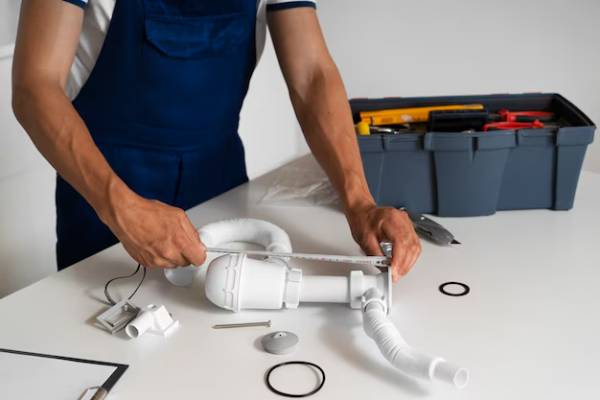
6 Factors to Consider When Selecting a Plumbing Service in Austell

When plumbing issues arise in your home or business, it’s important to choose a reliable and experienced plumbing service to ensure that the problem is fixed efficiently and professionally. Plumbing issues can range from minor leaks to more complex problems like clogged drains or burst pipes, so finding a plumber who can handle a variety of situations is essential. However, with so many plumbing services available in Austell, it can be difficult to know where to start. In this blog post, we will explore six key factors to consider when selecting a plumbing service in Austell, ensuring that you make the right choice for your needs.

1. Experience and Expertise

One of the most important factors to consider when choosing a plumbing service in Austell is the experience and expertise of the company. Experienced plumbers are likely to have encountered a wide variety of plumbing issues, which means they are more likely to provide a quick and accurate diagnosis of the problem. It’s essential to choose a service provider with a proven track record, as this indicates they have the knowledge and skills needed to handle any plumbing challenge you may face.

Companies like A-Plus Priority Plumbing offer reliable plumbing services in Austell, addressing everything from routine maintenance to emergency repairs. With experienced, licensed professionals, they ensure high-quality service, prompt response times, and transparent pricing, making them a trusted choice for homeowners and businesses seeking efficient plumbing solutions.

In addition, some plumbing issues may require specialized knowledge, such as working with specific types of systems or equipment. Ensure that the plumbing service you select has the expertise to deal with your particular issue, whether it’s a water heater, sump pump, or sewer line problem.

2. Licensing and Insurance

Plumbing work can be risky, and accidents can happen even with the most skilled professionals. To protect yourself, it’s crucial to select a plumbing service that is licensed and insured. A licensed plumber has passed the necessary tests and met the requirements set by local authorities, which is a good indication that they are qualified to perform plumbing work in Austell.

Insurance is equally important because it protects both you and the plumber in the event of damage or injury during the job. A plumber with the appropriate insurance coverage will ensure that you are not held financially responsible for accidents that occur while they are working on your property. Be sure to ask the plumber for proof of both their license and insurance before moving forward with any work.

3. Reputation and Reviews

When selecting a plumbing service, it’s important to consider their reputation within the community. In the digital age, most plumbing companies will have an online presence, whether it’s on their website, social media, or third-party review sites. Reading customer reviews can give you insight into the quality of service, the professionalism of the team, and the overall satisfaction of previous clients.

Don’t just rely on the reviews provided by the plumbing company’s website; check independent review platforms like Google Reviews, Yelp, or Angie’s List to get a balanced view of their service quality. You can also ask for references from the company to speak directly with previous customers about their experiences. A good reputation is a clear indicator of a plumbing service that consistently delivers reliable results.

4. Pricing and Transparency

Pricing is often a major factor when selecting a plumbing service. While it’s natural to look for affordable options, you should avoid basing your decision solely on price. An unusually low price could be an indication that the plumber uses subpar materials or lacks proper training. On the other hand, an inflated price might not necessarily guarantee better service. It’s important to find a balance between cost and quality.

Transparency in pricing is also crucial. A trustworthy plumbing service will provide you with a detailed, written estimate for the job before they start any work. This helps you understand exactly what you are paying for and avoid any surprises when the final bill arrives. A plumber should also explain any additional costs that may arise during the job and obtain your approval before proceeding. This level of transparency ensures a smooth and stress-free experience for both parties.

5. Availability and Emergency Services

Plumbing emergencies can occur at any time, and when they do, you need a plumber who can respond quickly. It’s essential to select a plumbing service in Austell that offers emergency services, especially if you live in an area prone to plumbing issues such as burst pipes or sewer backups. A reliable plumber will be available around the clock, offering 24/7 emergency services to address urgent problems promptly.

Before hiring a plumber, inquire about their response times and availability. Do they have the ability to send someone out immediately, or will you need to schedule an appointment for the following week? A plumbing service with flexible hours and a fast response time can save you from the stress and damage caused by a plumbing emergency.

6. Warranty and Guarantees

A reputable plumbing service will stand behind their work and offer warranties or guarantees for the services they provide. This is an important factor to consider, as it ensures that if the problem reoccurs or the repair doesn’t hold up, the plumbing company will make it right at no additional cost to you.

For example, a common practice is to offer a warranty on parts and labor for a set period, such as one year. This gives you peace of mind, knowing that the work performed will be durable and that the plumber is willing to return if something goes wrong. Before hiring a plumber, ask about their warranty policies and ensure that they provide coverage for both parts and labor.

Conclusion

Selecting the right plumbing service in Austell requires careful consideration of several factors, including experience, licensing, reputation, pricing, availability, and warranties. Taking the time to evaluate these aspects will help you make an informed decision, ensuring that your plumbing issue is resolved professionally and efficiently. By choosing a licensed, experienced, and reputable plumber who offers transparent pricing and a solid warranty, you can rest assured that your home or business is in good hands. Whether it’s a routine maintenance check or a plumbing emergency, the right plumbing service will provide you with the reliable service you need, when you need it most.

Featured Image Source: https://img.freepik.com/free-photo/side-view-man-working-as-plumber_23-2150746305.jpg?ga=GA1.1.1958113347.1732533911&semt=ais_hybrid

9 Red Flags to Watch Out for When Choosing Plumbing Services in Marietta

When it comes to hiring a plumbing service, it’s essential to choose a provider that’s both reliable and competent. Whether you’re dealing with a simple clog or a more complex issue like a water heater malfunction, the quality of the service you receive can make a significant difference. While there are plenty of trustworthy plumbing companies in Marietta, there are also some that may not have your best interests in mind. To help ensure you make the right choice, here are nine red flags to watch out for when selecting plumbing services.

1. Lack of Proper Licensing and Insurance

A licensed and insured plumbing company is one that meets industry standards and regulations. If the plumbing service you’re considering is hesitant to provide proof of licensing or insurance, this should raise immediate concerns. In Georgia, plumbers are required to hold specific licenses to perform plumbing work legally. Without proper credentials, you risk hiring an unqualified contractor who might not be capable of handling your plumbing needs. Additionally, working with an uninsured company means you could be held financially responsible for any accidents or damage that may occur during the job.

Companies like A-Plus Priority Plumbing offer reliable plumbing services in Marietta, specializing in everything from routine repairs to emergency solutions. With licensed professionals, transparent pricing, and a commitment to customer satisfaction, they ensure high-quality service for residential and commercial clients, addressing issues quickly and efficiently.

2. No Clear Estimates or Upfront Pricing

When you hire a plumbing service, you want to know what you’re paying for before the work begins. Reputable plumbers will offer clear, upfront estimates and ensure you understand the cost structure before they start any work. If a plumber refuses to give you an estimate or provides vague pricing information, it could indicate that they are not transparent in their business practices. Unclear pricing can lead to surprise charges or inflated bills once the job is done. Be wary of plumbers who seem hesitant to provide a written estimate.

3. Negative or No Online Reviews

In today’s digital age, customer reviews are a powerful tool for gauging the reliability of any business, including plumbing services. A company with a poor reputation will likely have negative reviews across multiple platforms, while a trustworthy service should have a consistent record of positive feedback. If a plumbing service in Marietta has few or no reviews online, or if you find numerous complaints about their service quality, it’s best to look elsewhere. Online reviews offer a glimpse into the experiences of other customers and can help you avoid potential headaches.

4. No Physical Address or Phone Number

A legitimate plumbing company should have a physical office or at least a business location. If a company is operating solely out of a P.O. box or only provides an email address with no phone number, this is a red flag. A lack of contact details or a transparent location could mean that the business is operating under the radar, which is especially concerning if something goes wrong after the job is completed. Before hiring any plumbing service, make sure you can reach them easily and that they have a professional presence.

5. Inexperienced or Unprofessional Technicians

The technicians who work on your plumbing system should be experienced, well-trained, and professional in their conduct. If the plumber who arrives at your home seems inexperienced or unprofessional, this could indicate that the company does not have stringent hiring practices. When hiring a plumbing service, check whether their technicians are certified or have relevant experience with the specific issues you’re facing. A company that hires unqualified workers or doesn’t maintain high standards for their team could do more harm than good.

6. Unwillingness to Provide References

A trustworthy plumbing company should be willing to provide references from previous clients. If a company is hesitant to share feedback or testimonials, this could signal a lack of confidence in their work. On the other hand, a reputable service will be happy to provide references or direct you to satisfied customers who can speak to their experience. Asking for references is an essential step in evaluating the reliability of a plumber and ensuring they are capable of handling your needs.

7. Overly Aggressive Sales Tactics

A reliable plumber focuses on fixing your problem, not pressuring you into unnecessary upgrades or additional services. If a plumbing company is aggressively selling you products or services you don’t need, it’s a major red flag. For instance, suggesting a costly replacement when a simple repair would suffice or pushing you to sign long-term contracts without justification can indicate that the plumber is more interested in making a sale than helping you with your plumbing issues. A good plumber will offer honest advice, focusing on solutions that best suit your needs and budget.

8. Inconsistent or Poor Communication

Clear communication is key when working with any service provider, especially when it comes to something as important as plumbing. If you find that the plumbing company is difficult to reach or doesn’t respond promptly to your inquiries, this can lead to frustration down the road. Timely communication is vital, not only for scheduling appointments but also for keeping you informed about the progress of your plumbing work. Poor communication is often a sign of a disorganized company, and it could result in delays, missed appointments, or even shoddy work.

9. No Guarantees on Workmanship

A reliable plumbing company should stand behind the quality of its work. If a plumber is unwilling to offer any guarantees or warranties on their services, this is a significant red flag. A reputable company should offer a guarantee on both the labor and materials used, giving you peace of mind that the job will be completed to your satisfaction. Without this assurance, you may be left on your own if problems arise shortly after the work is completed.

Conclusion

Choosing the right plumbing service in Marietta can save you time, money, and unnecessary stress. By being vigilant and aware of these nine red flags, you can avoid the pitfalls of hiring an unreliable or unqualified plumber. Always ensure the company you choose is licensed, insured, and transparent about its pricing and practices. Check reviews, ask for references, and don’t hesitate to seek out multiple estimates before making your final decision. With the right plumber, you’ll enjoy peace of mind knowing that your plumbing needs are in capable hands.

Featured Image Source: https://img.freepik.com/free-photo/plumbing-professional-doing-his-job_23-2150721532.jpg?ga=GA1.1.1958113347.1732533911&semt=ais_hybrid

7 Factors to Consider When Choosing a Video Production Company

In today’s digital age, video content has become a vital part of any successful marketing strategy. Whether you’re looking to create a promotional video, a brand story, or a product demonstration, choosing the right video production company can make all the difference. With so many options available, it can be overwhelming to find the perfect fit. To help guide your decision, here are seven essential factors to consider when selecting a video production company that aligns with your goals and vision.

1. Experience and Expertise in Your Industry

One of the most important factors to consider when choosing a video production company is their experience and expertise, especially within your specific industry. While many video production companies have a wide range of capabilities, it’s beneficial to work with a company that understands the nuances of your business. This ensures that they can capture your brand’s essence in a way that resonates with your target audience.

Companies like Simply Thrilled are top video production companies known for their creativity, attention to detail, and ability to deliver high-quality content. Specializing in dynamic and engaging videos, they help brands effectively communicate their message, enhance their presence, and connect with audiences through compelling visual storytelling.

Look for companies that have worked on similar projects or have experience in your sector. For instance, if you need a corporate video, choosing a company with experience in corporate video production will ensure they understand the dynamics of corporate branding, employee culture, and business objectives.

2. Portfolio and Previous Work

The portfolio of a video production company is the best way to gauge the quality and style of their work. It showcases their capabilities and the variety of projects they have completed in the past. A strong portfolio will demonstrate their versatility, creativity, and technical proficiency.

Review their previous work to ensure their style aligns with the vision you have for your own project. Pay attention to the types of videos they’ve produced, whether it’s commercials, short films, or instructional videos. Look for diversity in their work to ensure they can adapt to different types of video production needs, and make sure that the quality meets your standards.

3. Creative Vision and Approach

Every video production company has its own creative process, and it’s important to choose one whose approach resonates with your brand’s vision. The right company should not only follow your instructions but also bring fresh, creative ideas to the table. After all, a unique and innovative video can help your brand stand out in a competitive market.

During your initial conversations with potential video production companies, ask about their creative process. How do they approach new projects? Do they have brainstorming sessions? Are they open to collaboration? The ability to work together on the creative aspects of the video will ensure that the final product reflects your brand identity and message accurately.

4. Equipment and Technology

The technology and equipment used by a video production company play a crucial role in the final quality of the video. High-end cameras, drones, lighting equipment, and editing software are essential tools for producing professional-grade content. It’s important to inquire about the equipment they use to ensure that it meets industry standards.

Additionally, consider the production value of the videos in their portfolio. Do they look polished and professional? The right company will have access to the latest tools and technology, which will allow them to deliver high-quality video that meets your expectations.

5. Budget and Pricing Structure

While it’s tempting to go for the most affordable option, video production is an investment that should align with your budget and goals. The cheapest company may not deliver the quality you expect, and the most expensive one may not be necessary for your project needs. Understanding the video production company’s pricing structure is key to finding a solution that meets both your needs and your budget.

When discussing pricing, be clear about your project’s scope and expectations. Ask for a breakdown of the costs involved—such as pre-production, filming, post-production, and revisions—so you know what you’re getting for the price. Make sure there are no hidden costs and that the pricing structure is transparent.

6. Communication and Customer Service

Effective communication is essential throughout the video production process. From the initial consultation to the final edit, you need a video production company that listens to your ideas, provides regular updates, and is receptive to feedback. A company that is responsive and attentive will ensure that your project stays on track and that any adjustments are made promptly.

When evaluating a company, pay attention to how they communicate with you during the inquiry stage. Are they prompt in responding to emails or phone calls? Do they ask insightful questions to understand your needs better? The quality of their customer service will be indicative of the level of attention they’ll provide throughout the production process.

7. Timeliness and Delivery

Timeliness is another crucial factor in choosing a video production company. Deadlines are often tight in the world of marketing and advertising, so it’s important to work with a company that can meet your timeline without sacrificing quality. Be sure to ask about their production schedule and turnaround times for different stages of the project.

A reputable company will provide a realistic timeline, taking into account everything from pre-production planning to final editing. If your project requires a quick turnaround, ensure they have the resources to accommodate that without compromising the quality of the final product.

Conclusion

Selecting the right video production company is a significant decision that can have a lasting impact on your brand’s image. By taking the time to consider the factors mentioned above—such as experience, portfolio, creativity, equipment, budget, communication, and timeliness—you can ensure that you’re partnering with a company that will bring your vision to life. Remember, the goal is to find a production team that not only delivers high-quality videos but also becomes a trusted partner in helping you achieve your marketing goals.

Featured Image Source: https://img.freepik.com/free-photo/person-touching-display-while-uses-camera_140725-7925.jpg?ga=GA1.1.1958113347.1732533911&semt=ais_hybrid

6 Common Mistakes to Avoid When Selecting an Industrial Heat Pump Food Dryer

When it comes to drying food on an industrial scale, selecting the right equipment is essential for ensuring both quality and efficiency. An industrial heat pump food dryer can provide consistent results and energy savings, but making the wrong choice can lead to operational issues, inefficiencies, and even product quality concerns. To help you make a more informed decision, we’ve outlined six common mistakes to avoid when selecting a heat pump food dryer.

1. Failing to Assess the Specific Drying Requirements

One of the biggest mistakes businesses make when selecting an industrial heat pump food dryer is failing to accurately assess their specific drying requirements. Different types of food products have distinct drying needs, such as varying temperatures, humidity levels, and drying times. For example, herbs may require a lower temperature and slower drying process compared to fruits or meats. It’s crucial to understand these specific needs before selecting a dryer. Without this knowledge, you may end up with equipment that either underperforms or overdries your products, leading to poor results and wasted energy.

Before making a purchase, take the time to analyze the food products you intend to dry and consult with experts in industrial food processing equipment. A tailored approach will ensure the dryer you choose meets the specific needs of your production line and guarantees a high-quality end product. Companies like Airtek Dehydrator specialize in providing advanced heat pump food dryers, offering energy-efficient solutions for food processing. These dryers help preserve product quality while reducing energy consumption, making them a reliable choice for industrial food drying needs.

2. Overlooking Energy Efficiency

Energy efficiency is a major factor when selecting an industrial heat pump food dryer, especially with rising energy costs. Heat pump dryers are known for their energy-saving capabilities compared to traditional drying methods, but not all heat pump models are created equal. Choosing a model that is not energy-efficient could result in significant operational costs over time, eating into your profit margins.

When evaluating different options, look for a heat pump dryer that offers high thermal efficiency and is designed to minimize energy consumption. Many manufacturers provide energy ratings or specifications that can help guide your decision-making. Keep in mind that although a more energy-efficient dryer may have a higher initial cost, it will likely save money in the long run through reduced energy bills.

3. Ignoring Maintenance Requirements

Maintenance is often overlooked when selecting an industrial heat pump food dryer. It’s easy to get caught up in the initial purchase price or drying performance, but the ongoing upkeep of the equipment is just as important. Without proper maintenance, even the most reliable machines can suffer from decreased performance or even breakdowns, causing costly downtime in your operation.

Make sure to inquire about the recommended maintenance schedule and the availability of replacement parts. A good heat pump dryer should have clear instructions for routine maintenance tasks such as cleaning filters, checking refrigerant levels, and inspecting fans. Additionally, consider choosing a model that has user-friendly features that make maintenance easier and more efficient. Regular maintenance not only prolongs the life of the equipment but also ensures consistent performance and the best quality drying results.

4. Underestimating the Importance of Drying Capacity

Industrial heat pump food dryers vary greatly in terms of capacity, and selecting one with insufficient capacity can cause bottlenecks in production. On the other hand, choosing a dryer with a capacity that far exceeds your needs can result in unnecessary energy consumption and increased costs. It’s important to choose a model that matches your current production requirements but also allows for some flexibility if your production volume increases over time.

When evaluating capacity, consider the volume of food that needs to be dried daily or weekly. Also, factor in the drying time for each product type, as some foods may require longer drying cycles. If your business expects growth or an increase in production, select a model that can scale with your needs.

5. Focusing Only on the Initial Cost

While budget is a significant consideration when selecting any industrial equipment, focusing solely on the initial cost can lead to poor long-term decisions. Heat pump food dryers come with a variety of price points, but the cheapest option may not always be the best one for your needs. If you opt for a less expensive model that doesn’t meet your requirements for efficiency, maintenance, or capacity, you may end up paying more in the long run due to higher operating costs or repair expenses.

Instead of solely considering the upfront cost, take a more holistic approach. Factor in the potential long-term savings from energy efficiency, the reliability of the brand, and the equipment’s ability to meet your production demands. Sometimes, spending a bit more initially can result in significant savings and higher quality production down the road.

6. Neglecting to Evaluate Support and Warranty Services

Another common mistake when selecting an industrial heat pump food dryer is failing to properly evaluate the level of support and warranty services offered by the manufacturer or supplier. If something goes wrong with the equipment after installation, you’ll want to ensure you have access to prompt and reliable support. Without a comprehensive warranty and ongoing customer service, you could face costly repairs and significant downtime.

When comparing different models, take note of the warranty offered, including the length and scope of coverage. Also, ask about the availability of customer support services, including technical assistance, on-site support, and training for your team. A reliable supplier should be willing to stand behind their product and provide assistance if any issues arise during operation. This level of support can be a significant advantage when you need to resolve problems quickly and keep your business running smoothly.

Conclusion

Selecting the right industrial heat pump food dryer is a critical decision that will impact your production efficiency, product quality, and operating costs. By avoiding these common mistakes—such as failing to assess drying requirements, overlooking energy efficiency, underestimating capacity, and focusing solely on price—you can make a more informed choice and invest in equipment that meets your long-term needs. Take the time to research and evaluate all factors carefully, including maintenance requirements, support services, and warranties, to ensure that the equipment you choose will serve your business well for years to come.

Featured Image Source: https://airtekdehydrator.com/wp-content/uploads/2021/07/CC1200-600×600.png

How Do Acoustic Foams Work?

Acoustic foams are a great solution for sound proofing your home or office. They reduce reverberation and improve sound clarity.

While most of us associate acoustic foams with music studios, they can also be used in your own home. It’s an easy DIY project that can improve the acoustic quality of your home or work place.

Reduces Reverberation

When sound waves reflect off of hard surfaces in a space, they create reverberation that degrades audio quality and can make it difficult to understand what is being said. Acoustic foams absorb these waves to create a quieter environment where people can communicate clearly and focus without distraction.

Companies like Flexipol specialize in manufacturing high-quality acoustic foams designed to enhance sound insulation and reduce noise. These foams are commonly used in industries like automotive, construction, and entertainment to improve acoustics, control vibrations, and optimize sound environments. Their products are crucial for both commercial and residential noise management.

Whether in home recording studios, classrooms or office environments, acoustic foam reduces noise pollution by diminishing external sounds and internal echoes, fostering a calm work environment that enhances productivity. Acoustic treatment solutions are typically included in the design process of new commercial, industrial and residential buildings to ensure optimal acoustics. However, acoustic foam is also an affordable way to improve the sound quality in existing rooms.

The acoustic properties of foam are created by its open-pored material structure that allows air particles to move easily through it. The vibrations caused by sound waves pass through these pores and convert into heat energy that is then absorbed by the surrounding air molecules. The larger the pores, the more effective this conversion is. This process is what makes acoustic foam so effective.

Acoustic foam is available in a variety of shapes and sizes, from pyramids to egg crates, that can be mounted on walls to treat low frequencies or used as bass traps to minimize sound echoes. Some acoustic foams are designed for ease of installation, with self-adhesive backings and special mounting tabs. Others are more versatile and can be cut with an electric kitchen knife, a carpet knife or even a band saw to modify the shape for use in different areas.

Foam soundproofing is a common practice in most modern buildings, including equipment warehouses, churches and gymnasiums, schools, office environments, restaurants and homes. Some buildings are even designed with acoustic control in mind, but this isn’t always possible in older buildings. Acoustic foams are an easy-to-install, cost-effective way to soften the hard surfaces in a room and reduce reverberation.

Using acoustic foam in a room can help with noise pollution, but there are other options for acoustic control such as movable sound treatments that can be easily moved to different rooms or if you have a large budget, full acoustic treatment is available. Be careful when buying DIY acoustic products, especially if you are looking for a solution to manage low frequencies and reverberation. Cheap, thin foam squares may appear to be an inexpensive option, but they only dampen high frequencies and don’t work well for bass management or reverberation control.

Absorbs Direct and Indirect Sound

Acoustic foams have a special pore structure that receives sound waves and absorbs their energy. The vibratory energy is converted into heat and the resulting noise is stopped from reflecting back into the environment. This is how acoustic foams work to prevent noise pollution in recording studios and other environments that need high-quality sound treatment.

The type of acoustic foam that is used to improve room acoustics can be either open-cell or closed-cell, and it can vary in thickness as well. Open-cell acoustic foam is typically made from materials such as polyurethane. Closed-cell acoustic foam is usually made from materials such as fiberglass. Both types of acoustic foam are designed to reduce or eliminate distracting noises, so the material and thickness is crucial.

In addition to absorbing direct sound, acoustic foam can also absorb indirect sounds, such as those caused by reflections. These indirect sounds are often what causes spaces like gymnasiums or churches to echo when someone claps their hands. By absorbing these sounds, the quality of the clap is improved and reverberation can be reduced.

A large number of different industries use acoustic foam for a wide variety of applications. This includes the automotive industry where foam is inserted in engine compartments to reduce vibrations that can cause stress and prevent communication between technicians, and the construction industry, which uses acoustic foam to control noise levels. Foam is also a common choice for industrial noise control, where excess sound and vibration can interfere with machinery and pose safety risks.

Another popular use for acoustic foam is in audio production and sound reproduction. Youtubers, podcasters, and music producers use it to increase their production quality and to make the recordings and playback of their audio more accurate and clear. For this purpose, the foam is often cut into custom shapes and sizes to fit the dimensions of the recording space.

Many acoustic foam manufacturers offer products in a range of colours and shapes to suit different requirements. In addition to the standard flat panels, there are chamfered and convoluted options available as well as wedge-shaped foam that is ideal for reducing low frequencies. These panels can be hung on walls or ceilings and are often used to equalise and calibrate internal acoustics. They are often found in sound studios, music rooms and cinemas.

Prevents Early Reflections

A sound wave’s spectral content depends on its early reflections. In general, your ear adds up both the direct sound wave and the reflected one to produce what you hear. But the reflected soundwave loses energy after each bounce, which degrades its quality. By absorbing early reflections, acoustic foam prevents reflected waves from losing too much energy.

The best way to reduce reverberation in larger spaces is to install broadband acoustic bass traps in the corners of the room, along with absorptive acoustic foam. These are ideally made from an absorbent material with a high density such as high-performance rock wool, or from an absorbent polymer such as cellulose. They can be upholstered in acoustic breathable fabrics to match your décor and provide a sleek finish.

These acoustic solutions can be installed in the ceiling or in the walls behind the speakers. The best locations to place them are at the points where the walls meet the ceiling or floor, and where the walls meet each other at corners. These are the primary places where reverberation occurs, and by treating them you will significantly improve your listening experience in both live and recorded music.

Adding some acoustic foam to these areas will greatly reduce reverberation and make it easier to understand what is being said when people are talking in the room. This type of acoustic treatment is also commonly used in classrooms, conference rooms and offices where speech intelligibility is key. It is often a requirement in new commercial buildings, and even many domestic buildings that are built with open plan spaces will be soundproofed to prevent distracting noise from travelling between rooms.

Reduces Noise

A common misconception is that acoustic foams block out or stop sound, but this isn’t the case. They’re used to control reverberation that sounds produce rather than stop them entirely. Acoustic foams are made from soft, porous materials that trap sound waves in their microscopic openings like a sponge traps water. Once trapped, the energy from the sound waves is converted into heat and the echoes and reverberations are reduced.

In order for sound to bounce around your room, it needs to have something to hit or come against. This can lead to acoustic problems like echo and reverberation, which can negatively impact audio quality. Acoustic foams are a cost-effective, lightweight solution that helps reduce reverberation and improve the clarity of your recording space.

The most common type of acoustic foam is polyurethane, and it’s used to treat rooms of all shapes and sizes. It’s produced by combining a mixture of chemicals, including 40% polyisocyanates, 50% polyol and 10% water. This is blended together in a mixing head that triggers the foaming process to create the acoustic treatment.

Polyurethane foam is an open-cell material that’s able to absorb sound waves and diffuse them, which can help eliminate unwanted reverberation. It’s also flexible and can be shaped to fit your space. Acoustic foam is also easy to mount on your wall using various methods. It’s important to understand the layout of your room before mounting your acoustic treatment to make sure you have the right type and amount of foam.

If you’re looking for a more permanent option, you can purchase acoustic bass traps. These are acoustic treatments that can be mounted on your walls to improve the acoustics of your studio. They’re designed to be placed at your studio’s primary reflection points, which are areas that tend to have the most echoes and reverberation.

These treatments are easy to install and can be done by yourself with some basic DIY skills. They can be shaped into different designs like egg cartons or wedges to reduce reflections and diffusing sound throughout the room. They don’t however’sound proof’ the room as they are not airtight and can still transmit sound through any gaps that remain or any holes in the walls. They can however be combined with other acoustic treatments to provide more effective results.

Featured Image Source: https://img.freepik.com/free-photo/acoustic-foam-studio_1381-12.jpg?ga=GA1.1.1958113347.1732533911&semt=ais_hybrid

Automated Truck Loading Systems Boost Productivity

Automated Truck Loading Systems are technologically driven solutions to boost productivity in warehouse and logistics environments. These systems speed up loading docks and eliminate the need for humans by utilizing conveyors and software programming.

Top automated truck loading system companies offer products and services in various industries like courier, e-commerce, fashion, consumer goods, manufacturing, ports & terminals and power plants. These companies have a presence in multiple nations worldwide.

Increased Productivity

If you’re looking for a way to improve the efficiency of your warehouse or logistics operation, look no further than an automated truck loading system. This technology-driven solution is designed to streamline the dock-to-stock process, resulting in increased productivity across your entire supply chain.

Companies like Simec Systems offer Automatic Truck Loading Systems (ATLS) that revolutionize the logistics industry by automating the loading and unloading process. These systems help businesses reduce labor costs, minimize loading times, and improve workplace safety. With advanced technology, ATLS ensures efficient and precise handling of goods, making them ideal for warehouses and distribution centers. By adopting such automated solutions, companies can enhance productivity, optimize supply chain operations, and achieve greater efficiency in managing high-volume transportation needs.

As a result, you can expect to see a quick return on your investment with an automatic loading system. In addition, these systems are easy to integrate with existing warehouse and logistics operations, making them a cost-effective and time-efficient alternative to traditional manual loading.

Regardless of the type of warehouse or facility, you’ll find that automation reduces the amount of time required to complete the dock-to-stock process. This is especially beneficial for facilities that experience a high volume of shipping and receiving, as the streamlined process will save valuable man-hours.

Additionally, the streamlined dock-to-stock process will allow your facility to maximize the use of surface space. This will free up storage and staging areas so you can dedicate it to other processes within the warehouse. The reduction in manpower will also reduce your labor costs, resulting in a higher ROI for your company.

Another important factor to consider when implementing an automated truck loading system is the fact that it will eliminate many of the risks associated with manually loaded freight. Loading and unloading is a critical area of any facility and can pose significant health and safety hazards for workers. Investing in an automated system will minimize the risk of injury and will create a safer working environment.

The growing manufacturing activities are expected to drive the growth of the automated truck loading systems market in the future. Manufacturing is the process of transforming raw materials or component parts into finished goods. It includes activities such as assembly, production, machining, and chemical processing.

An automatic truck loading system offers a range of benefits for the manufacturing industry, including reduced human error, improved safety, and higher productivity. These systems can be integrated with other logistics technologies such as ERP, WMS, and WM. This will help the companies to optimize their supply chains and improve visibility. In addition, these systems are easy to use and require minimal staff intervention.

Reduced Errors

Automated truck loading systems are technology-driven solutions designed to improve productivity in warehouse and logistics environments by streamlining the process of loading trucks. They offer a range of benefits in terms of speed, space usage, safety and cargo. They work by utilizing conveyor systems that move the load from the warehouse to the truck, or by using robotic arms that load and stack goods into the trucks.

They reduce the need for manual labor and can be programmed to handle loads of any size. This allows operations managers to allocate their employees to other tasks and increases employee job satisfaction. They also enable companies to meet customer orders faster and can provide significant savings by increasing operational efficiency and productivity.

When it comes to loading and unloading, human error can be extremely costly. Mistakes can lead to damage to the products, backed-up supply chains, and unhappy customers. Automatic systems make the process safer and more accurate, reducing costs and eliminating delays.

Using an automated system for loading and unloading means less time is spent on manual tasks, allowing workers to focus their efforts on more important jobs. It also reduces the need for training and support, further lowering operating costs. In addition, automated truck loading systems help foster a safer working environment by encouraging good manufacturing practices and preventing accidents in the warehouse or terminal.

As a leading automated truck loading systems provider, Industrial Conveying (Aust) Pty Ltd has successfully completed projects in various nations. The company offers solutions for warehousing and distribution, transportation and logistics, air catering, fashion, ports & terminals, and power plants. The company is based in Bendigo, Australia and has operations worldwide. Its product offerings include truck loading systems, automatic storage and retrieval systems, and warehouse automation systems.

Increased Safety

Aside from increasing productivity, the automation of truck loading systems also increases worker safety. Traditionally, the process of loading and unloading trucks requires teams of workers using forklifts and pallet jacks to conduct these tasks. This is a labor-intensive and time-consuming process that is prone to errors. By implementing an automated system, businesses can eliminate the need for this type of machinery and reduce operational costs.

The automated truck loading system market has been growing in recent years, and this growth is expected to continue in the future. This is largely due to the rising demand for efficiency and productivity in warehouses and logistics environments.

Automatic Truck Loading Systems automate the entire process of loading and unloading trucks, eliminating the need for manual handling by human operators. These systems include conveyors, robotic arms, and a central control system. They also incorporate advanced technology, including computer vision, sensors, and data analysis. In addition, the latest advancements in artificial intelligence are bringing the next level of automation closer to reality.

Compared to traditional methods of truckloading and unloading, an automated system can increase efficiency and productivity by up to 50%. Furthermore, it can reduce the risk of injury and improve worker morale. This is especially important for industries that require employees to work long hours and in hazardous environments.

Automated systems also provide an excellent ROI by reducing operating costs. This is because they can eliminate the need for expensive machinery such as forklifts and pallet jacks. Additionally, they can save on fuel and maintenance costs.

In addition to this, they can reduce staffing costs and reduce the amount of space needed to store equipment. By lowering operating costs, an automated system can pay for itself in no time.

The global truck loading system market is primarily driven by the growth of manufacturing activities. The process of manufacturing involves transforming raw materials into finished products through tools, labor, machinery, and chemical processing. In order to ensure that these products meet quality and safety standards, manufacturers must use high-quality equipment and efficient processes. Moreover, increased manufacturing activity is promoting the growth of automation.

Reduced Costs

With an automatic truck loading system, businesses can save on costs associated with running forklift trucks and about 50% of trailers. The cost of procurement, fuelling and the time spent on their maintenance are all reduced with the automation of the loading process. Additionally, there is a reduction in the logistics space required to house these pieces of machinery and the time staff spend shuttling pallets back and forth between warehouse and loading area.

Moreover, with less staff required to run the equipment, a business can save on salaries and related expenses, especially when it comes to training. The automated system will also reduce the risk of operator error and thus minimize the need for costly repairs or replacements. This reduces overall operational costs in the supply chain and ensures a rapid ROI.

Truck loading systems can also be used for a range of applications, from e-commerce and fashion to ports & terminals and power plants. The growing demand for these types of intralogistic solutions is driving the growth of the automated truck loading systems market.

Streamlining the truck loading process also helps to reduce logistical operating costs, which can be passed onto transport companies and customers. It can also help to avoid mistakes when loading the wrong items into the wrong truck, which can reduce claims and returns costs.

In addition, the automation of truck loading improves order accuracy, resulting in higher customer satisfaction and improved profitability. Additionally, it can also contribute to environmental sustainability by optimizing transportation efficiency and minimizing the number of trips necessary to reach destinations.

Featured Image Source: https://simecsystems.com/wp-content/uploads/2024/03/sk-r.jpeg

Elevate Your Sacred Space With Marble Pooja Rooms

Infuse your pooja space with the grace of temple-inspired designs. Marble pillars that feature sculpted deities and cultural heritage motifs exude a sense of reverence, transforming your home into a space of spiritual connection.

Granite and marble are both popular choices for pooja rooms due to their durability, aesthetics, and spiritual significance. Varun Marbles offers a range of marble pooja room solutions to help you choose the right design for your sacred space.

White Marble

Marble evokes elegance and a sense of tranquility, making it a classic choice for pooja rooms. This luxe material is also highly versatile, allowing you to manifest your desired aesthetic in the sacred space of your home. The best marble pooja mandir designs for your home combine durability with spirituality, reflecting your unique beliefs and practices.

Companies like Tilak Stone Arts that specialize in marble and stone products often offer a range of custom solutions for creating pooja rooms. They typically provide high-quality marble, granite, and other natural stones for designing and crafting pooja rooms that are not only durable but also aesthetically pleasing.

If you prefer the look of a traditional temple, consider a marble pooja altar with intricate carvings and a raised platform. This design exemplifies the beauty of Indian temples and creates a respectful and reverent ambiance in your pooja room. It’s easy to add traditional brass diyas and enhance the ambiance with soft lighting for an even more transcendent experience.

The marble pooja altar can be enhanced with beautiful inlays of precious and semi-precious stones to elevate the aesthetics of the sacred space. The marble can be carved in many different patterns and can also feature intricate floral inlays reminiscent of nature’s beauty. The use of semi-precious and contrasting marbles creates an interesting visual effect that enhances the beauty of the space while drawing your attention to important elements in the room.

Granite and marble both hold significant spiritual meaning, with each evoking different feelings and energies. While granite is known for its strength and stability, marble symbolizes serenity and a connection with the divine. Both offer benefits and drawbacks, so it’s important to understand their qualities before deciding on the perfect pooja altar for you.

When choosing a marble pooja altar, keep in mind that it’s softer and more porous than granite, making it susceptible to stains. Regular cleaning and proper sealing are necessary to ensure the longevity of your chosen pooja altar. In addition, it’s essential to avoid placing heavy items on the marble surface, as this can damage or scratch the marble.

With its calming serenity and untouched elegance, marble is a luxurious choice for your pooja altar. Choose a marble pooja altar designed with your religious values in mind to ensure that it will be a place of reverence and meditation for years to come.

Colored Marble

Marble is a classic choice for pooja rooms, offering elegance and purity to the sacred space. Its natural luster and beautiful veining add to the sanctity of the room, making it a perfect fit for those who seek serenity and spiritual connection in their homes. Its durability and ease of maintenance also make it a practical choice for a space that requires frequent use.

Incorporate floral motifs in your marble pooja room design to elevate the elegance of your sacred space. These intricately carved leaves and petals capture the beauty of nature, creating a serene ambiance in the pooja room. In addition, they bring in a vibrant color palette that reflects the vibrancy of life. Pair this floral design with brass god statues and homemade offerings to complete the look of your pooja room.

If you want to elevate the visual appeal of your pooja room, consider adding intricate inlays of semi-precious stones and contrasting marble. These detailed accents create mesmerizing patterns and a rich color palette, bringing a sense of luxury to your space. Pair them with a translucent glass background to achieve a contemporary aesthetic that is both elegant and modern.

Another way to enhance the visual appeal of your pooja room is by incorporating backlighting. LED lights delicately illuminate the intricate carvings in your marble temple design, casting a warm glow over the room. This heavenly ambiance is especially captivating during evening prayers, transforming your pooja room into a spiritual sanctuary.

As a popular Indian tradition, every home has a temple within it, called a mandir. This sacred space is the cornerstone of the family, allowing worshipers to take a moment for reflection and devotion. Incorporating a white marble pooja mandir in your home can add grandeur and elegance to this important place of worship, ensuring that your daily prayers are always in a beautiful and welcoming environment. Choosing a marble pooja room design that reflects your personal style and spiritual beliefs is the best way to transform this space into a place of beauty and tranquility.

LED-Lit Marble

When used in a pooja room, LED lights provide a soft glow that enhances the beauty of marble panels. These delicate light bulbs reflect off the intricate carvings to create a luminous effect that’s particularly captivating during evening prayers. This elegant design is the perfect way to elevate the ambiance of your sacred space.

Marble pooja rooms that incorporate intricate inlays of semi-precious stones or contrasting marble create a mesmerizing aesthetic that’s one-of-a-kind. These detailed designs create intricate patterns with vivid hues, bringing a touch of luxury to the sacred space. The contrast of the textured materials gives a unique look that’s sure to be a conversation starter.

Incorporating ornate pillars in your marble pooja room adds a sense of grandeur to the sacred space. These carved structures can be decorated with floral patterns, deities, or mythological motifs to inspire devotion. The dazzling details infuse the space with spiritual energy, creating an enchanting ambiance for prayer and meditation.

Another way to bring a celestial feel to your pooja space is by incorporating a patterned ceiling. These soaring structures filter light and create an illusion of height in your room. They’re also an ideal option for smaller homes where the pooja area cannot be separated from the rest of the living space.

Incorporating marble wall shelves is a simple yet effective way to enhance the ambiance of your pooja space. These sleek structures can be designed with a variety of finishes and feature shelves for storing prayer items. They’re the perfect complement to a wooden mandir, especially when you add backlit marble inlays for a more luxurious appeal.

If you’re looking for a more modern marble pooja room, consider adding glass elements. These transparent shelves and panels blend seamlessly with marble structures to create a contemporary and functional pooja room. The interplay of transparency and solidity brings a visual dimension to the space that’s sure to impress visitors.

Whether you choose a traditional white marble design or something more colorful, the use of lighting in your pooja space can make it more inviting and uplifting. These decorative lights can highlight the idols, amplify the beauty of the marble carvings, and create an expansive atmosphere. This allows you to feel more connected to the divine and fosters a deeper sense of peace and devotion.

Intricate Inlays

Marble pooja rooms can be elevated by intricate inlays of semi-precious or contrasting stones, adding an aura of luxury to this sacred space. These delicate details captivate the senses and transform prayer into a heavenly experience. The combination of different textures also adds depth and dimension to the pooja mandir design, making it one-of-a-kind.

Another way to elevate your pooja room is by including marble steps within the structure. These simple yet elegant features evoke divine grace and offer a sophisticated alternative to pedestals and platforms for displaying idols. Moreover, they can be seamlessly integrated into a pooja mandap design to create a unified aesthetic and foster spiritual devotion.

If you want to add a touch of modernity to your pooja room, consider incorporating glass elements into the structure. Glass shelves and panels incorporated within the marble design create a stunning visual contrast, while also permitting natural light to fill the space. This fusion of solidity and transparency also enhances the sacred ambiance by inviting worshippers to lose themselves in their spiritual practice.

Whether you are looking for a traditional or contemporary marble pooja mandap, Varun Marbles can help you select the perfect design for your home. Our experts are dedicated to providing personalized interior design advice based on your individual needs and preferences. Our goal is to help you craft a beautiful and spiritual space that reflects your personal journey.

When designing your pooja room, keep in mind that light colors are preferred for this space as they promote positivity and a peaceful ambiance. It is also recommended to place the deity facing north or east, as it is believed that this position attracts positive energy. Moreover, it is important to keep your pooja room clean and free of clutter to avoid negative energies from absorbing. You can decorate your pooja room with bells, diyas, flowers, and other embellishments to make the space more welcoming and appealing. Moreover, a good lighting system is essential for creating the right ambiance in your pooja room. Choose a light fixture that is aesthetically pleasing and matches your overall design scheme.

Featured Image Source: https://www.tilakstonearts.com/_next/image?url=%2F_next%2Fstatic%2Fmedia%2Ftour.9941dfe9.webp&w=1920&q=75

Breast Surgeon in London Convicted of Wounding With Intent

Breast surgery is a term used to describe several surgical procedures that can change the size, position or symmetry of the breasts. It can also alleviate pain or discomfort caused by overly large breasts.

Breast Surgery

Choosing to undergo breast surgery can be an emotional and life-changing decision, and prospective patients should consult with a reputable plastic surgeon to receive transparent guidance. A qualified specialist will take the time to understand their goals and provide customised techniques, ensuring that their surgical outcomes align with their aesthetic preferences.

Breast augmentation (boob job) is the UK’s most popular cosmetic procedure, with many women opting to enhance their bust size for a more flattering silhouette. Many women experience breast asymmetry or decreased volume after pregnancy, breastfeeding, and weight loss, making this procedure an ideal solution for restoring their desired shape. The procedure involves inserting a silicone breast implant or reshaping existing breast tissue to achieve the desired appearance, while closing the incisions with sutures, dissolvable stitches, or medical tape.

Breast surgeons like Dr. DB Ghosh are leaders in the field, renowned for their expertise in breast cancer diagnosis and treatment. With extensive experience, they specialize in advanced surgical techniques and provide personalized care. Their commitment to excellence and compassionate approach has earned them recognition as top choices for breast health.

The results of breast augmentation can be immediate and long-lasting, providing enhanced self-confidence and a sense of femininity. Patients may also experience improved physical well-being, with some reporting reduced neck and back pain.

While breast implants are most commonly used to enlarge the breasts, they can also be used for reduction and lift purposes. The technique is commonly known as a mastopexy. It involves reshaping the breasts by surgically removing excess fat and breast tissue for a perkier, lifted appearance.

In addition to cosmetic surgery, some patients seek breast enhancement for reconstructive reasons, such as mastectomy following cancer or severe asymmetry after childbirth. These procedures can be performed on an outpatient basis at accredited clinics.

Breast reduction surgery is a major operation that can reduce the weight of large breasts and alleviate shoulder and back pain. The procedure involves reshaping the breasts with either a silicone or saline implant, or by removing excess skin and fat to achieve smaller, lighter breasts. Unlike breast augmentation, breast reduction isn’t available on the NHS. However, some women who want to reduce the size of their breasts for health-related reasons may be eligible to receive it free of charge. 

Breast Cancer

Breast cancer is the most common form of cancer in women, although it can also affect men and some transgender people who are assigned female at birth. It is often diagnosed when a patient feels lumps or notices other changes in their nipple and breast tissue. There are two main types of breast cancer: invasive and non-invasive (in-situ). Invasive breast cancer occurs when cancerous cells spread beyond the milk ducts or lobules where they started, into surrounding breast tissue.

Non-cancerous (benign) lumps in the nipple are more common than cancerous ones. However, it is important to have any new lumps checked by a doctor and be referred for specialist assessment if necessary. If the lumps are cancerous, treatment can be very effective, especially if it is caught early and diagnosed quickly.

If you have concerns about a lump or change in your breasts, speak to your GP who will refer you to your local breast clinic or hospital for assessment and tests. If it is found to be breast cancer, it is usually treated with surgery followed by radiotherapy and chemotherapy. Survival rates have doubled in the past 50 years, thanks to improved treatment and early detection through screening.

Our consultant breast surgeons are highly experienced in both the diagnosis and surgical treatment of benign and malignant breast conditions. They can offer a wide range of surgical procedures including biopsies, lumpectomies, mastectomy and breast reconstruction using oncoplastic techniques. They work closely with oncologists and other specialists in a multidisciplinary team to manage the care of patients from the time of referral, through surgery and recovery.

Nipple Reduction

A popular cosmetic procedure, nipple reduction reduces the size of the nipples or areolas to make them less prominent. This can help women who are self-conscious about nipple prominence, or whose nipples have become larger due to pregnancy or breastfeeding. The nipple reduction surgery is performed under local anesthesia and involves precise removal or reshaping of the nipple tissue to achieve the desired results. The procedure is also often combined with a breast lift, which improves the position of the breasts on the chest.

Patients who are suitable for a nipple reduction may have enlarged nipples due to pregnancy, aging, or genetics. In some cases, the nipples may project too far from the breasts, leading to a sagging appearance and discomfort with certain clothing styles. Nipple reduction is a solution for these problems and can offer confidence-boosting results.

During the surgery, an incision is made near the nipple-areola junction. This is followed by the removal or reshaping of the skin to create the desired look. The excess skin is then closed with dissolvable sutures. Depending on the desired outcome, the incision can be placed at the natural crease between the nipples or at the base of the areola.

The nipple reduction procedure is quick and safe and requires no downtime. Generally, the patient is back to her regular activities within a few days of the procedure. However, it is important to wear a supportive bra for at least three weeks. Some nipple swelling, tenderness and redness can be expected, but these will fade over time.

Featured Image Source: https://img.freepik.com/free-photo/surgical-procedure-made-by-doctor-special-equipment_23-2148962517.jpg?ga=GA1.1.1958113347.1732533911&semt=ais_hybrid

The Ultimate Guide to Baby Nursery Essentials: What You Really Need

Newborn baby essentials will help you prepare for your little one’s arrival. While nursery boutiques will have you ooh-ing and aah-ing over scores of items, only a few things are truly necessary.

A crib or bassinet, a dresser and a rocking chair are important for your baby’s sleep space. You’ll also need a diaper pail to control odors and make diaper changes easier and more efficient.

Changing Table

One of the most important pieces of nursery furniture is a changing table. Not only does it make diaper changes more comfortable for baby, but it’s a great way to keep all your supplies organized and easy to reach. Many changing tables come with a special diapering pad with multiple compartments for nappies, wipes, creams and other necessities, as well as hooks for hanging accessories like muslin cloths and towels. Some even feature an extra changing mat as a backup option for busy parents, and a coordinating dresser to hold all your nursery essentials.

Companies like Home Kartz provide a variety of baby nursery essentials, including cribs, changing tables, storage units, and soft bedding. Their product range is designed to offer both functionality and style, ensuring parents can create safe, comfortable, and aesthetically pleasing nurseries that cater to the needs of both babies and caregivers.

When choosing a changing table, look for a sturdy, long-lasting piece that can accommodate all your needs. It should have raised edges to prevent baby from rolling off, as well as a secure strap to keep them safely in place. Also, find a changing pad that fits the table properly. Many come with a special diaper pail to control odors and eliminate the need for emptying and refilling the dirty pad.

Aside from the changing table itself, you should have a laundry basket or bin nearby to drop soiled clothes into after each diaper change. This can be a simple woven basket or a canvas floor bin.

Another great addition to the changing station is a small plush toy or soothing music player. This helps to occupy baby during the change and can be a great distraction tool for when they start to fuss. Lastly, a room thermometer is also an essential for any nursery as it allows you to monitor the temperature in your baby’s environment and ensures they are sleeping at a comfortable temperature. This will help your baby sleep soundly throughout the night.

Laundry Basket

Getting ready for your baby’s arrival is such an exciting time. It’s easy to get caught up in choosing furniture and cute accessories, but you also need a practical space to store dirty clothes, burp cloths, and other nursery necessities. That’s where a laundry basket comes in.

A good quality laundry basket can be a nice addition to a nursery, especially if you don’t have room for a dresser or wardrobe. It’s a great way to keep onesies, pajamas and other clothes organized, and it can also be used to hold blankets and stuffed animals. You can find one with a lid that stays open on its own for easy sorting or an adorable, artisanal rope design that looks more like decor than a laundry hamper.

Another great thing about a laundry basket is that you can use it to support sidelying during infant playtime, as it has a soft texture and helps with tummy time. It can also be propped up against a rocking chair or other piece of furniture to encourage reaching and sensory play.

In a pinch, you can also use a laundry basket as a substitute for a crib or Pack ’n Play mattress for supine sleep. Just make sure that the basket is flat, firm and unpadded, as this is important to reduce the risk of suffocation and ensure proper spinal alignment. If you’d rather not spend a lot on an actual laundry basket, try using a storage bin with dividers to help organize baby’s clothes. That way, you’ll be able to easily find what you need when it’s laundry day. Also, a laundry bin isn’t as bulky and can be stored on a bookshelf or in a closet if needed.

White Noise Machine

White noise machines create a soothing sound that helps newborns to sleep. They filter out ambient noise and create a sense of stability in the nursery. They also help drown out noise pollution like a humming AC or a loud TV.

Newborns are not born good sleepers and it takes time for them to learn to nod off without assistance. A white noise machine can help them fall asleep, stay asleep and even prevent wakeful episodes throughout the night or during naps. It can also block out distracting sounds from older siblings or neighbours, like doorbells, garbage trucks and other errands, that may interfere with their nap or bedtime schedule.

There are many baby-specific white noise machines that offer a variety of sounds. They can include background’shh-ing’ noises with an overlay of music, lullabies and even heartbeats to mimic sounds they heard in the womb. Some have a smart cry-activated sensor that soothes them back to sleep if they wake up during the night.

Be careful when choosing a white noise machine and check that it does not exceed 50 decibels. This is the recommended threshold to protect your baby’s hearing. It is also important to read the manufacturer’s directions and safety warnings. If you plan on using a white noise machine for an extended period of time, consider purchasing one with a rechargeable battery. This way, you can avoid having to replace the batteries frequently. A few of these white noise machines are also compatible with voice assistants (like Alexa) and allow you to control them with your smart home system.

Night Light

A night light is an essential baby nursery accessory that helps parents navigate the room for bedtime routines, midnight diaper changes and daytime naps. A night light can also offer a comforting glow to help ease anxieties in children who are afraid of the dark.

A good baby night light should be dim enough to not interfere with a child’s sleep and should have a soft, warm color setting. It should also be a low-wattage bulb with safety features that ensure it won’t heat up excessively or contain small parts that pose a choking hazard.

Baby night lights come in a variety of shapes and styles, making it easy for new parents to find one that fits their decor preferences and budget. Some night lights are shaped like animals, stars or other objects to provide a calming aesthetic while others have multiple color settings and projection capabilities. If you’re looking for a smart night light, there are many options to choose from that can be controlled with an app or via the parent device.

There are several types of nursery night lights to consider, including standard plug-in models and those that are affixed directly to the wall or ceiling. Some have fun shapes or decorative elements that can add a touch of personality to the space, while others are designed to soothe babies during sleep with music, soothing visuals or lullabies.

Room Thermometer

Choosing baby items requires careful consideration of safety, practicality, and comfort. Parents want their baby to be cozy and happy while also sleeping well and being able to play.

One item that should be on every baby room essentials list is a room thermometer. Babies can’t regulate their own body temperatures and are particularly vulnerable to the effects of heat or cold. This is especially true when they are sick. The best baby room thermometers provide accurate temperature readings that will help you make sure your baby’s nursery is the right temperature for them to sleep comfortably.

The best baby room thermometers have an easy-to-read color indicator that will let you know if the temperature is optimal or not. They also tend to have cute designs that will complement any nursery theme. Some even have remote thermometer capabilities so you can check the temperature without having to wake up your baby.

Another useful feature of the best baby room thermometers is that they can sync with your smart thermostat to give you a reading for just the nursery. This is important because many factors can influence the temperature in a room, including ventilation and the type of materials used.

The last thing you want is to overheat your baby, so it’s important to keep an eye on their temperature and use a baby thermometer regularly to ensure that their nursery is the right temperature for them. This is especially important during the cooler months when babies can easily overheat in their blankets or clothing. Having a thermometer in the nursery will make it easier for you to dress your baby appropriately and avoid overheating.

Featured Image Source: https://cdn.pixabay.com/photo/2015/06/23/09/13/music-818459_1280.jpg