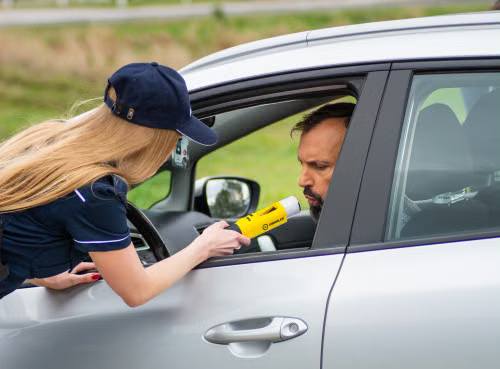
A driver at a RIDE stop sometimes thinks that saying no to the breath device keeps the evidence out of court. The logic seems simple enough: no reading, no case. Ontario law does not work that way, because the refusal itself becomes the charge. Anyone who speaks with an experienced DUI lawyer in Toronto after a roadside stop tends to learn this early, and often with some surprise.
An experienced DUI lawyer Toronto would likely begin the process by contrasting the charge of refusing to take a test with the impaired driving and “over 80” charges. The offences run together under the Criminal Code, and the consequences are more closely related than most people think. Below is the comparison.
Why Refusing a Breath Test Is a Separate Criminal Charge in Ontario
Criminal Code Section 320.15 makes it a crime to refuse to provide a breath sample when a legitimate request is made, absent a reasonable explanation. Police do not need to have any grounds to believe an individual has consumed alcohol before requiring the test since 2018. A lawful stop and an approved screening device are enough.
That change matters. Refusing no longer shields you, since refusal now carries the same weight as the offence the test was meant to detect.
Refusal vs Impaired Driving Penalties Under the Criminal Code
Both offences share one sentencing section, and the upper limits are identical:
- up to 10 years in jail when the Crown proceeds by indictment
- up to two years less a day, a fine of up to $5,000, or both on a summary charge
- 30 days of mandatory jail for a second offence
- 120 days of mandatory jail for each later offence
The gap appears on the first offence. A first impaired driving conviction carries a minimum fine of $1,000. A first refusal conviction carries a minimum of $2,000, the same figure that applies to a driver whose blood alcohol reached 160 milligrams or more.
So in plain numbers, refusing costs at least as much as blowing double the legal limit. It may seem strange, but that is how Parliament wrote the law.
Ontario Licence Suspensions After a Refused Breath Sample
The province adds its own penalties, separate from the criminal case. Ontario will suspend your driver’s licence for 90 days and impound the vehicle for seven days. This penalty matches the punishment someone receives after testing above the legal limit.
If the driver is convicted of driving under the influence of drugs, the penalty includes a minimum one-year suspension of the provincial licence, but in some cases it may be reduced to three months.
Next Steps
If you declined the sample, make sure to record everything you can remember about the stop before it fades from your memory. You need to note the time, what was said by the police officer, and anything that you said about a possible health problem.
