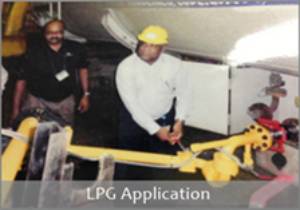
Industrial operations face mounting pressure to reduce connection times while maintaining the much needed safety standards. Equipment failures cost thousands per hour in lost production. Traditional threaded connections create bottlenecks that slow entire workflows.
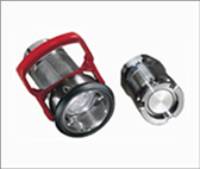
Camlock coupling systems eliminate threading delays through quarter-turn connections. Workers connect hoses in seconds rather than minutes. The lever-operated mechanism locks securely without requiring the use of tools or excessive force from operators.
TODO coupling technology takes speed further with push-to-connect functionality. These connections engage automatically when components meet. No rotation or manual locking steps interrupt the workflow during high-volume transfer operations.
Understanding Modern Coupling Technology
Quick-connect systems transform how facilities handle fluid transfers. Old-style threaded joints require multiple rotations and careful alignment. This process multiplies when operators connect dozens of hoses daily across multiple transfer points.
Speed matters when trucks queue outside loading bays. Each extra minute per connection adds operational costs. Facilities processing hundreds of connections daily see these delays compound into significant productivity losses.
Modern coupling designs prioritise user safety alongside speed. Heavy hoses strain workers’ backs during manual connection processes. Quick-release mechanisms reduce physical effort while maintaining secure seals under operating pressures.
Camlock Systems in Action
Fuel terminals rely on camlock technology for truck loading operations. The lever mechanism engages with positive feedback that operators feel and hear. This tactile confirmation reduces connection errors that lead to spills or equipment damage.
Chemical plants use these couplings for transferring corrosive materials between process units. The positive locking action withstands vibration and pressure fluctuations. Materials like stainless steel resist chemical attack while maintaining seal integrity.
Bulk powder handling benefits from camlock reliability in dusty environments. The simple mechanism functions despite contamination that would jam threaded connections. Maintenance teams appreciate the easy disassembly for cleaning and inspection schedules.
TODO Coupling Applications
Food processing facilities adopt TODO systems for frequent changeovers between product lines. The push-connect action speeds sanitisation cycles between different food grades. Operators avoid cross-contamination risks through faster, more reliable connections.
Pharmaceutical manufacturing demands sterile connections for active ingredient transfers. TODO couplings provide secure sealing without threads that harbour contaminants. The smooth surfaces simplify cleaning validation procedures required by regulatory authorities.
Water treatment plants use these systems for temporary connections during maintenance work. Emergency repairs require fast, leak-proof connections under time pressure. TODO technology eliminates the fumbling with threaded connections during critical repair situations.
Safety Considerations
Connection failures create hazardous situations in industrial environments. Improper threading allows fluids to escape under pressure. These incidents expose workers to dangerous chemicals or create slip hazards on work surfaces.
Quick-connect systems reduce human error through simplified operation procedures. Visual and tactile feedback confirms proper engagement before pressurisation begins. Operators gain confidence through consistent connection processes across different applications.
Pressure ratings must match system requirements regardless of connection speed. Some quick-connect designs sacrifice pressure capability for convenience. Engineers specify couplings that meet both operational speed and safety pressure requirements.
Cost Analysis
Labour costs dominate connection-related expenses in most industrial facilities. Skilled technicians earn premium wages that multiply during extended connection procedures. Quick-connect systems justify initial costs through reduced labour time per connection.
Maintenance schedules affect total ownership costs beyond initial purchase prices. Threaded connections require regular inspection for thread wear and seal degradation. Quick-connect systems often feature replaceable seals that extend service life.
Spill cleanup costs exceed coupling prices when connections fail during operation. Environmental regulations impose fines for chemical releases. Prevention through reliable connections costs less than incident response and regulatory compliance.
Selection Criteria
Pressure requirements determine coupling suitability for specific applications. High-pressure hydraulic systems need couplings rated above normal operating pressures. Safety factors account for pressure spikes during system startup or emergency situations.
Chemical compatibility affects material selection for coupling components. Aggressive chemicals attack incompatible materials leading to premature failure. Material safety data sheets specify compatible materials for each chemical being transferred.
Temperature extremes challenge coupling performance in outdoor installations. Thermal expansion affects seal compression and connection reliability. Arctic conditions require materials that remain flexible while desert heat demands thermal stability.
Installation Best Practices
Proper hose preparation prevents connection problems before they occur. Cut ends must be square and deburred to prevent seal damage. Incorrect cutting creates leak paths that compromise connection integrity regardless of coupling quality.
Training programmes reduce operator errors during connection procedures. Muscle memory develops through repeated practice with proper techniques. Consistent procedures across shifts prevent variations that lead to connection failures.
Maintenance schedules preserve coupling performance throughout service life. Regular inspection identifies wear patterns before failure occurs. Preventive replacement costs less than emergency repairs during production runs.
Performance Monitoring
Connection time measurements identify bottlenecks in transfer operations. Baseline times help quantify improvements after coupling upgrades. This data supports capital expenditure justifications for facility improvements.
Leak detection systems monitor coupling performance during operation. Early warning prevents minor seepage from becoming major spills. Automatic shutdown systems protect workers and equipment when leaks exceed acceptable limits.
Failure analysis reveals improvement opportunities in coupling selection or procedures. Pattern recognition identifies whether problems stem from material incompatibility, pressure excursions, or operator error.
Future Developments
Smart coupling technology integrates sensors for condition monitoring. Pressure, temperature, and vibration data streams to control systems. Predictive maintenance schedules replace time-based replacement intervals with condition-based decisions.
Automated coupling systems eliminate manual connection procedures entirely. Robotic arms position and engage couplings without human intervention. These systems suit hazardous environments where worker exposure creates unacceptable risks.
Material science advances produce couplings with extended service life. New polymer formulations resist chemical attack while maintaining flexibility. These materials reduce replacement frequency and associated maintenance costs.
Quick-connect coupling systems revolutionise fluid transfer operations through speed and reliability improvements. The choice between camlock and TODO systems depends on specific application requirements including pressure, chemistry, and connection frequency. Facilities investing in modern coupling technology see immediate returns through reduced labour costs and improved safety performance.
Contact coupling specialists to evaluate your current connection procedures and identify improvement opportunities that reduce costs while enhancing operational safety.
Featured Image Source: https://www.jreltd.com/images/dry-break-coupling/9.jpg
